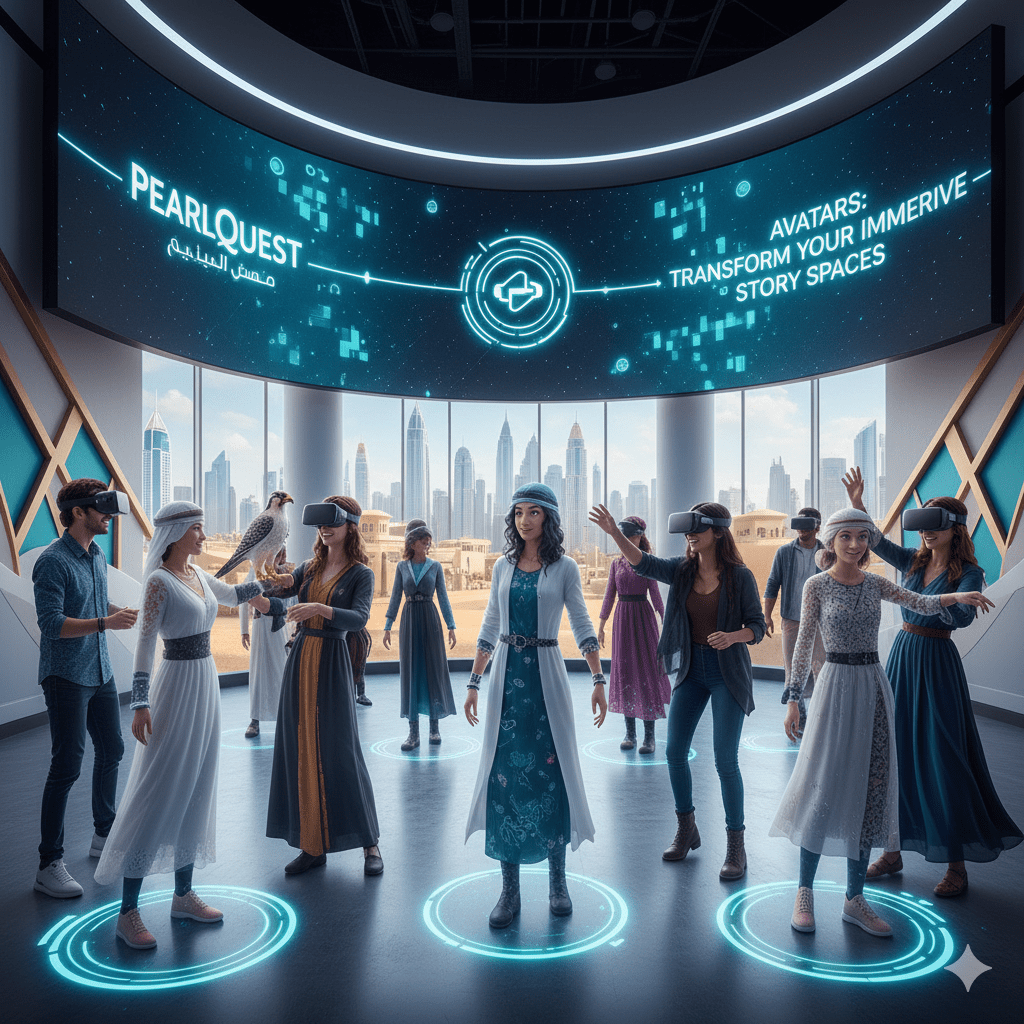
The digital landscape is constantly shifting, demanding more than just static ads and traditional content from brands. Today’s consumers, especially across dynamic markets like Dubai, Abu Dhabi, and Saudi Arabia, crave interaction, challenge, and reward. This is where gamified brand engagements step in, transforming passive viewing into active participation.
Simply put, gamification is the application of game design elements—like points, leaderboards, badges, and challenges—to non-game contexts, specifically in your marketing and customer experience strategies. It’s not about building a full video game; it’s about leveraging the psychological triggers that make games so compelling to drive real business results. For any CMO, Marketing Director, or Agency Owner targeting high-engagement regions like Qatar and Kuwait, ignoring this trend is missing a crucial opportunity for digital growth.
The Future of Marketing: Gamified Brand Engagements Explained
We’ve all seen the power of interaction. Think about the joy of completing a loyalty program, the motivation to earn a new badge on an app, or the urgency of a limited-time contest. These aren’t accidental. They tap into our inherent desire for achievement, status, and competition. When applied to a brand experience, these elements create a deeper, more memorable connection than any static banner ad ever could. This higher level of interaction is precisely why gamified brand engagements are non-negotiable for modern marketing.
As a content writer at PearlQuest, I often get inspired by the potential for these engagements to connect with our audience on a fundamental level. We are thrilled by the prospect of crafting narrative-driven experiences that don’t just sell a product, but create a fun journey for the user. We believe this focus on experience-led marketing is the key to unlocking true digital growth.
How Gamified Brand Engagements Drive Measurable ROI
 The beauty of adding game mechanics to your marketing is that the results are quantifiable. Unlike some traditional brand-building activities, gamification provides clear metrics on user behavior, which is gold for any data-driven marketer.
Increased Customer Engagement and Time Spent
A core challenge for all brands is keeping users on their platform or interacting with their content. Gamification directly addresses this. Challenges, progressive rewards, and competitive leaderboards incentivise users to spend more time. More time equals more exposure to your brand message and products. I’ve often seen in our case studies that brands implementing a simple point system or interactive quiz saw a double-digit increase in dwell time.
Boosting Loyalty and Customer Retention
Purely transactional loyalty programs often fall flat. Adding a layer of gamification—turning the earning of points or status into a mini-game—makes the process more enjoyable. Customers feel rewarded for their loyalty, leading to higher retention rates. This is especially vital in competitive markets like the Middle East, where brand preference is strongly tied to perceived value and experience.
Richer Data Collection and User Insights
As users engage with different levels or challenges, they leave behind a trail of invaluable data. A quiz can reveal preferences, a challenge can expose pain points, and leaderboards can highlight your most engaged users. For a marketing agency, this depth of insight enables the creation of hyper-personalized future campaigns. At PearlQuest, we wish to explore advanced analytic platforms that track user journeys through gamified brand engagements to build sophisticated customer profiles.
The Regional Impact: Gamified Brand Engagements in the GCC

The Gulf Cooperation Council (GCC) market—including areas like Dubai, Abu Dhabi, Saudi Arabia, Qatar, and Kuwait—is characterized by a young, digitally-savvy population with high expectations for cutting-edge technology and entertainment. This makes it an ideal environment for gamified marketing initiatives.
A local challenge we often see is standing out in a crowded digital space where brands are constantly vying for attention. We get inspired by companies that successfully adapt global gaming trends to local cultural nuances, creating engagements that resonate authentically with the regional audience.
We are motivated to help our clients overcome this challenge by developing unique digital experiences, such as virtual reality (VR) or augmented reality (AR) based brand activations. For example, my company plans to focus on game development services tailored for experiential marketing to capture this high-energy market. You can learn more about how interactive solutions can drive engagement on our dedicated game development page.
Keys to Successful Implementation of Gamified Brand Engagements

To get it right, you can’t just slap a leaderboard onto a landing page and call it a day. A successful strategy requires thoughtful planning and execution.
-
- Define Clear Objectives: What do you want to achieve? Lead generation, brand awareness, or product education? The game design must serve this goal.
-
- Understand Your Audience: What motivates them? Is it status, reward, or connection?
-
- Ensure Flawless Execution: Technical glitches ruin the experience. The engagement must be seamless and intuitive.
-
- Reward Meaningfully: The reward must be valuable enough to motivate action but cost-effective for the brand.
Final Level: Embracing Gamified Brand Engagements
In an age where attention is the most valuable currency, static advertising is becoming obsolete. Gamified brand engagements offer a powerful, interactive solution that converts passive browsers into active participants, driving deep loyalty and measurable digital growth. For any marketing leader looking to conquer the markets in Dubai, Abu Dhabi, Saudi Arabia, Qatar, and Kuwait, the time to integrate these engaging experiences is now.