Ever wonder why that new app, despite its simple premise, has you hooked? It’s often the power of play. In today’s hyper-competitive digital landscape, where the attention economy reigns supreme, static advertising just isn’t cutting it anymore. Brand managers, CMOs, and agency owners across Dubai, Abu Dhabi, Saudi Arabia, Qatar, and Kuwait are increasingly recognizing a powerful truth: the future of marketing lies in making the consumer an active participant, not just a passive viewer. This shift is brilliantly encapsulated in the concept of Gamified Brand Engagements.
🎮 What Exactly Are Gamified Brand Engagements?
At its core, gamification in marketing is the application of game design elements and principles in non-game contexts, specifically to drive consumer behavior and achieve business goals. Think points, leaderboards, badges, challenges, and rewards—all designed to make the interaction with a brand fun, memorable, and motivating.
This isn’t just about building a simple “game”; it’s about embedding the mechanics of play into every touchpoint of the customer journey, from product discovery to loyalty programs. The goal is a deep, emotional connection that traditional advertising simply can’t forge. As a content writer at PearlQuest, I’m constantly motivated by how these interactive experiences are revolutionizing how brands connect with their audiences. We’ve seen firsthand how a well-executed gamification strategy can turn a fleeting glance into sustained, meaningful interaction.
💡 Why Your Brand Needs Interactive Gamified Brand Engagements
In the Middle East’s rapidly evolving consumer markets, particularly in tech-forward hubs like Dubai and Riyadh (Saudi Arabia), the stakes for innovation are incredibly high. Here is why this strategy is becoming indispensable:
- Boosted Engagement Rates: Games naturally encourage repetitive interaction. If your brand interaction is a challenge with a clear reward, users are more likely to return, boosting time spent with your brand.
- Deeper Data Insights: Gamified interactions provide a wealth of behavioral data—what users click, how long they spend, and what motivates them. This is gold for optimizing future marketing efforts.
- Enhanced Brand Loyalty: Earning points or badges releases dopamine, creating a positive association with the brand. This psychological reward is far more effective than mere discounts for building long-term loyalty.
- Differentiation in the Market: Amidst a sea of identical marketing messages, launching a truly innovative and fun experience sets you apart, especially in highly competitive regions like Qatar and Kuwait.
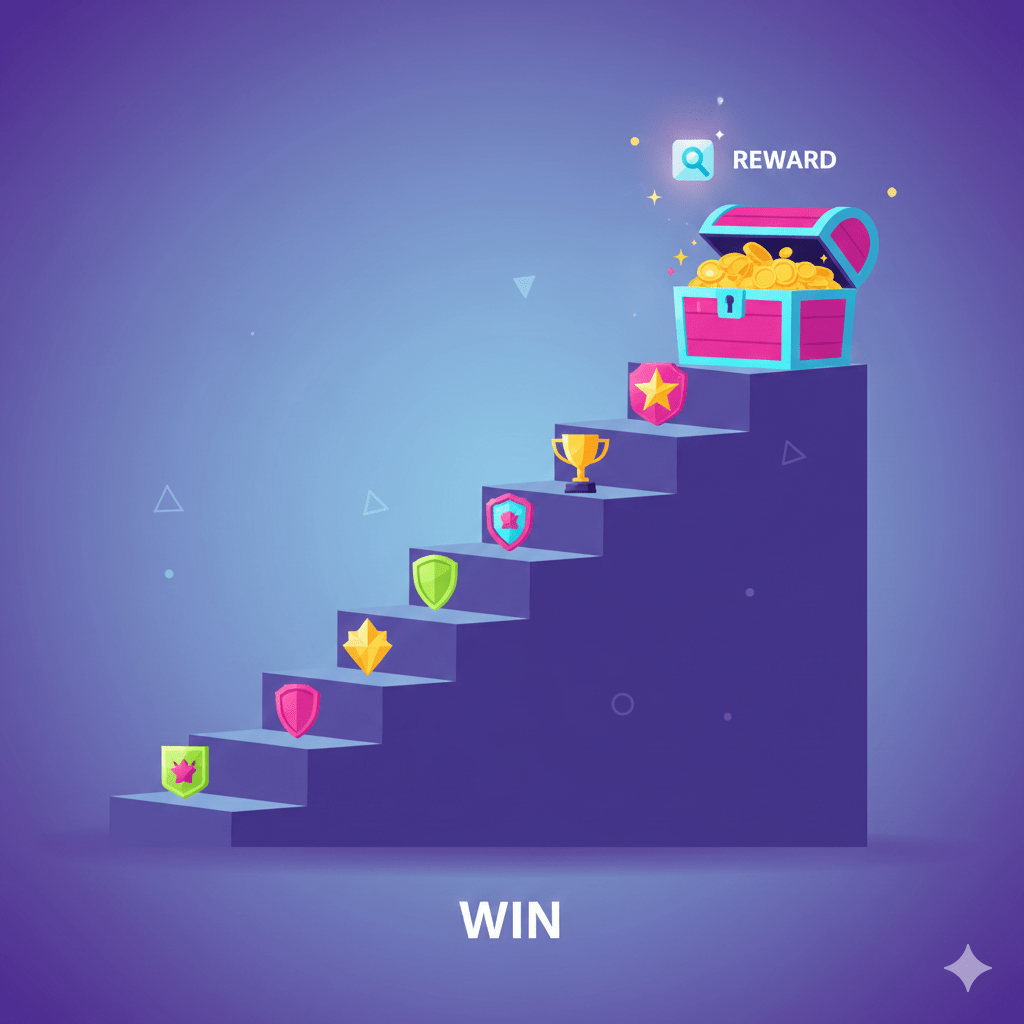
✅ Designing Effective Gamified Brand Engagements: A Guide
A common challenge for marketing agencies and brand managers is moving beyond the novelty factor to create a system that drives measurable results. When exploring gamification, you must ensure the mechanics align perfectly with your campaign objectives.
Key Elements for Impactful Gamified Marketing
- Clear Objectives and Rules: The user must instantly understand what to do and why. Is the goal product education, lead generation, or driving foot traffic?
- Meaningful Rewards: The incentive must be worth the effort. In luxury markets like Abu Dhabi, exclusive experiences or high-value prizes work better than generic coupons.
- The Element of Social/Competitive Play: Leaderboards and social sharing features tap into the powerful human drive for status and recognition.
At PearlQuest, we plan to further specialize in this exact intersection of technology and creative strategy. We wish to inspire and motivate our clients by showing them how a simple quiz or an AR-powered treasure hunt can transform their next campaign. The potential for innovation is thrilling.
📈 Measuring Success: Beyond the High Score
Implementing interactive gamified brand engagements is only half the battle. The true measure of success lies in the post-game analytics.
| Metric | Why It Matters |
| Participation Rate | Indicates the initial attractiveness of the concept. |
| Completion Rate | Shows if the engagement is well-designed and not frustrating. |
| Conversion Rate | The ultimate goal: Did the gamification drive a sale, sign-up, or download? |
| Time-on-Site/App | Measures the depth of engagement and brand stickiness. |
One area we see massive potential is in developing bespoke game-based solutions (our current work in game development gets us inspired!) that can seamlessly integrate into existing loyalty ecosystems for clients across the GCC. Imagine a loyalty program in Saudi Arabia where points are earned through AR mini-games related to a new product launch.
🌐 The Regional Edge: Gamified Brand Engagements in the GCC
The Middle East is fertile ground for gamification. The high penetration of smartphones, a youthful demographic, and a strong cultural affinity for entertainment make this a strategy perfectly suited for regional campaigns in Dubai, Kuwait, Qatar, and beyond. This is more than a trend; it’s a strategic move to future-proof your marketing efforts.
The rapid adoption of technologies like Augmented Reality (AR) and Virtual Reality (VR) further amplifies the possibilities for Engage Customers with Interactive Gamified Brand Engagements. For innovative brand managers and account directors, this is your moment to shine by presenting a strategy that is not just effective but genuinely exciting.
If you’re ready to transform passive consumers into active brand advocates and elevate your campaigns beyond the ordinary, then it’s time to seriously explore the power of interactive gamified brand engagements. This is the pathway to building a brand relationship that is resilient, rewarding, and undeniably fun. Want to learn more about how game mechanics can drive your next marketing goal?