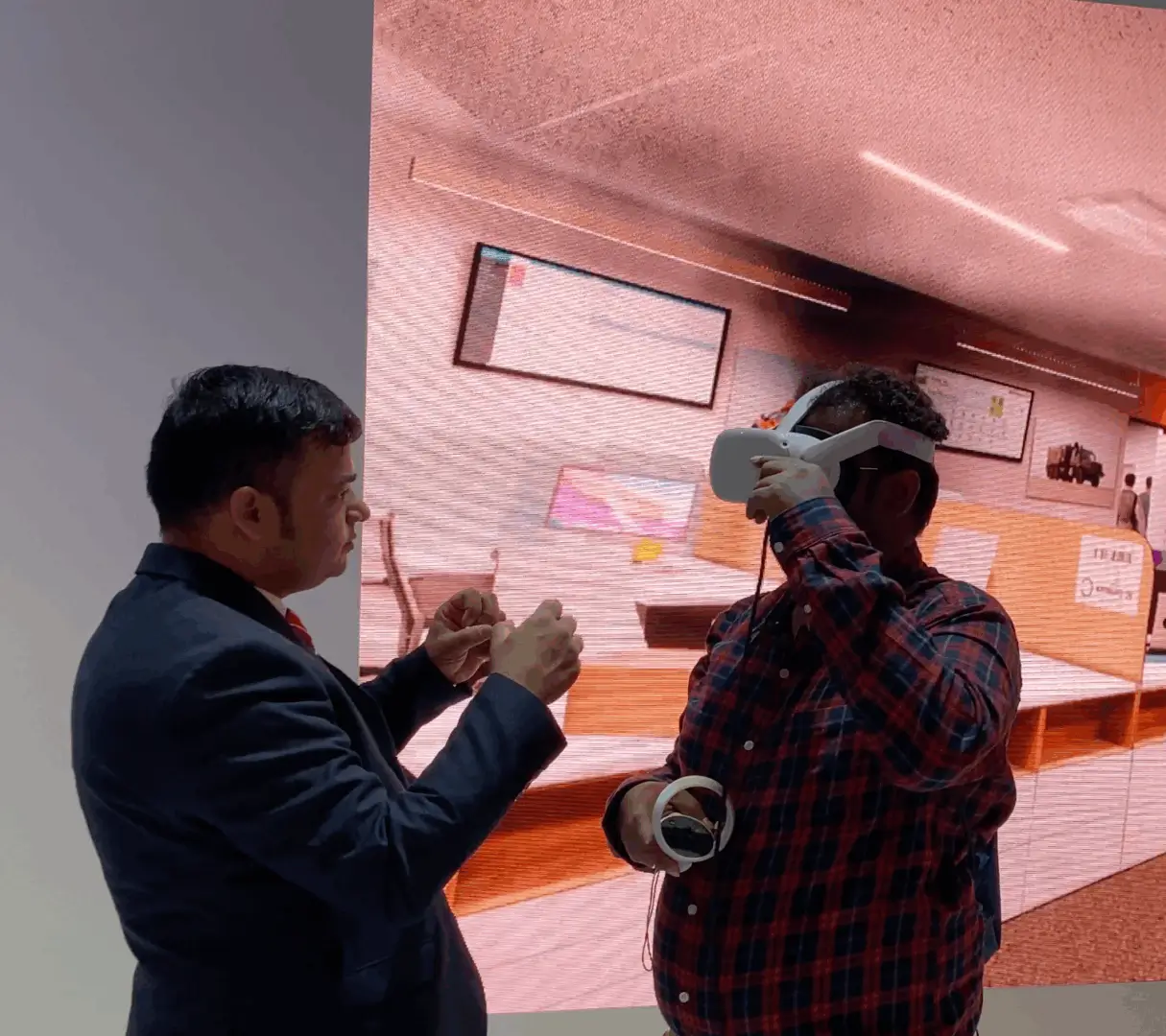
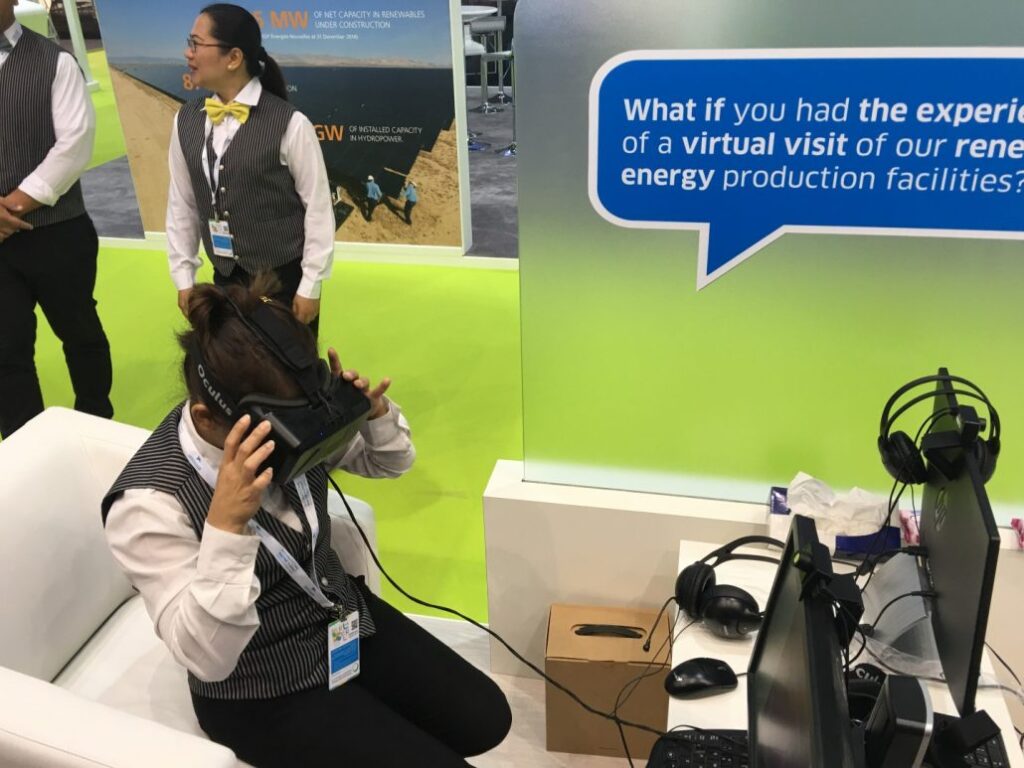
Recreate risk safely
Fires, smoke, machinery hazards, shutdowns and emergency conditions become repeatable digital scenarios.

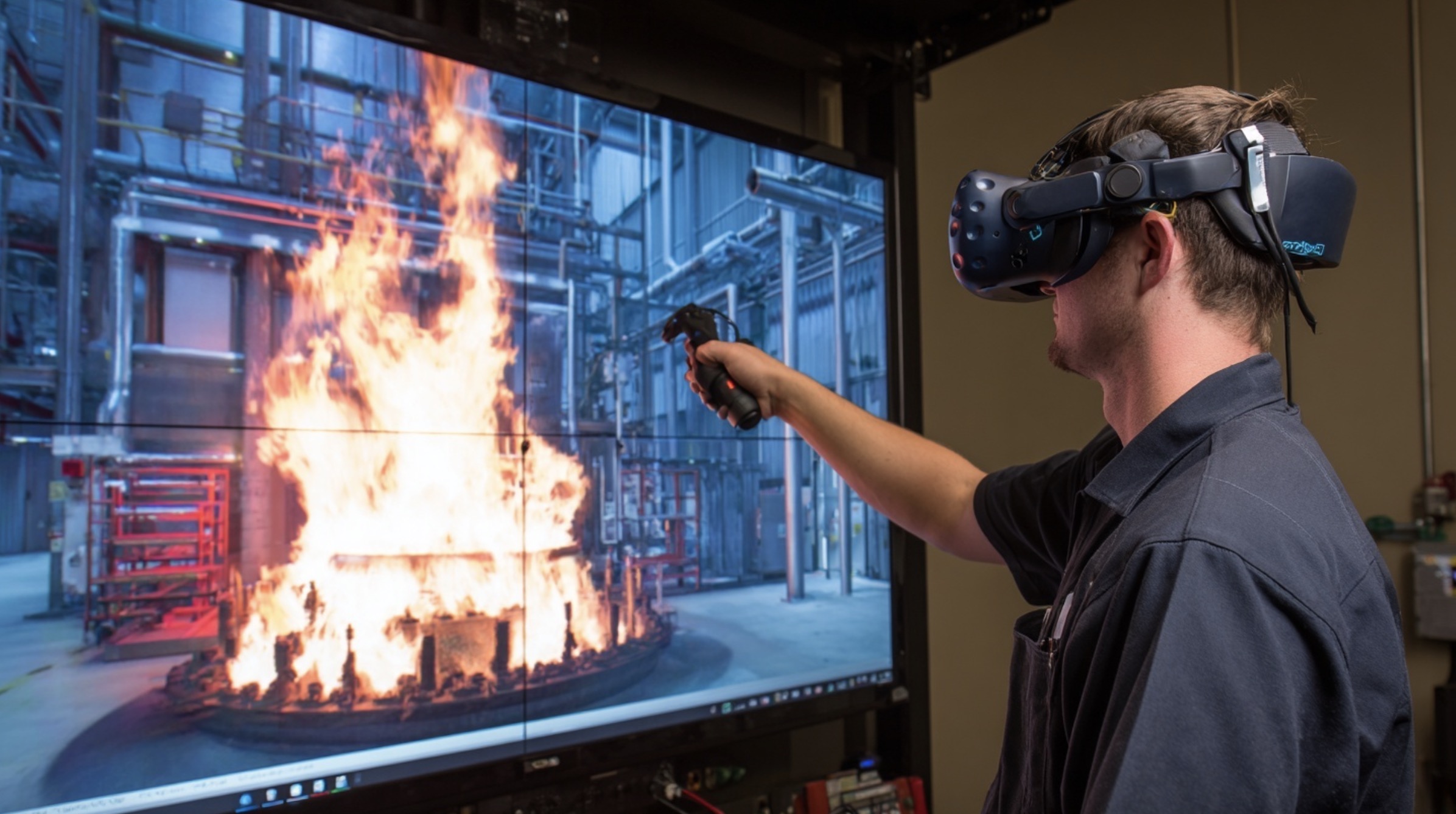
PearlQuest develops immersive VR safety simulations that help employees practice emergency response, hazard identification, evacuation procedures and industrial SOPs without real-world risk.
VR safety training uses immersive virtual environments to simulate hazardous or complex workplace situations so employees can learn how to respond safely and effectively. Instead of relying only on manuals or classroom instruction, trainees experience realistic emergency scenarios such as fire incidents, equipment failure, evacuation procedures, electrical hazards or hazardous material exposure inside a controlled digital environment.
Fires, smoke, machinery hazards, shutdowns and emergency conditions become repeatable digital scenarios.
Employees identify hazards, follow procedures, make decisions and respond under guided pressure.
Every trainee can experience the same safety protocol, sequence, failure point and emergency pathway.
Reaction time, task completion, decision accuracy and scenario performance can support training evaluation.
At PearlQuest Interactive, we develop custom VR safety simulations tailored to industrial workflows, safety protocols and regulatory requirements across the UAE, Saudi Arabia and the wider GCC region.
VR transforms safety from a passive briefing into an active experience where users must observe, decide, react and repeat.
Simulate fires, chemical leaks, machinery accidents, smoke conditions or electrical hazards safely and repeatedly.
Trainees can practice decision-making, procedural compliance and emergency response instead of only reading instructions.
Reaction time, decision accuracy, task completion and attempts can help improve training quality and accountability.
These modules help industrial teams train for critical events that are difficult, expensive or unsafe to recreate in real life.
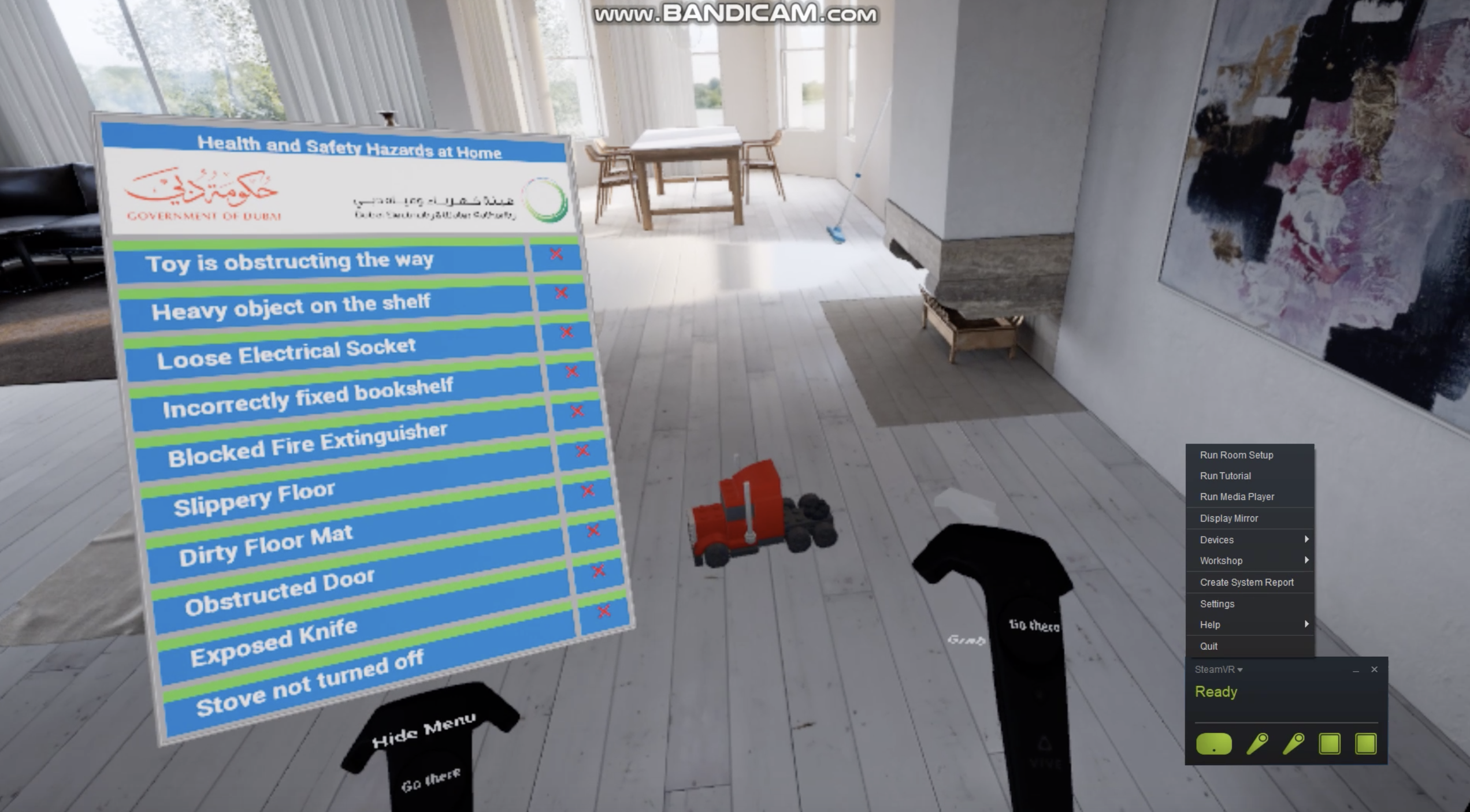
Train users to identify unsafe conditions, blocked exits, exposed hazards and procedural risks.
Practice route decisions, alarm response, smoke conditions and safe exit behaviour.
Train safe response to electrical faults, exposed systems, lockout procedures and live hazards.

Simulate plant incidents, emergency decision-making, shutdown logic and safety communication.

Train workers on site hazards, restricted zones, equipment movement and safe working procedures.
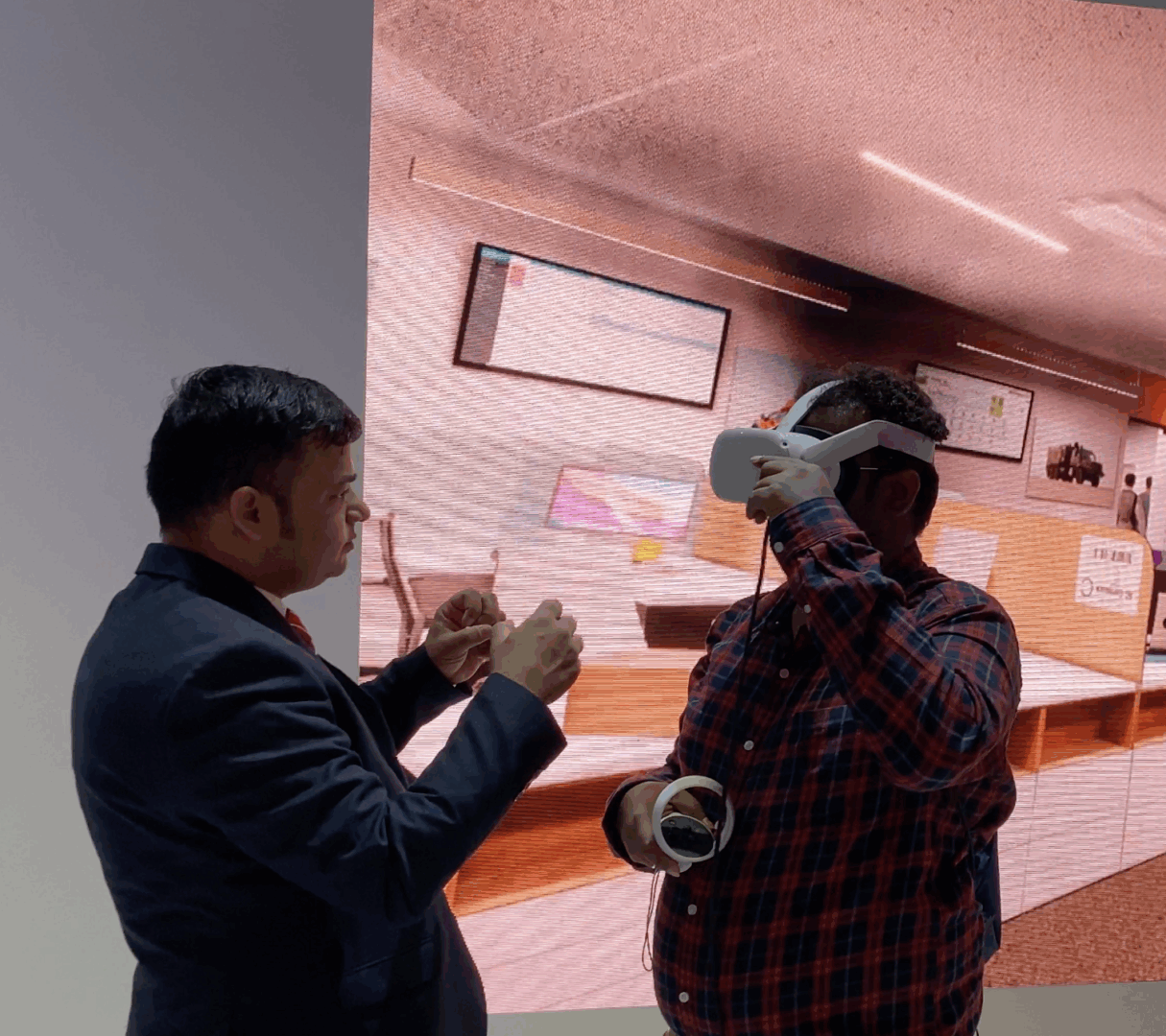
Experiencing Fire Safety’s Impact in Virtual Reality Understanding the critical role of smoke management systems can be challenging....
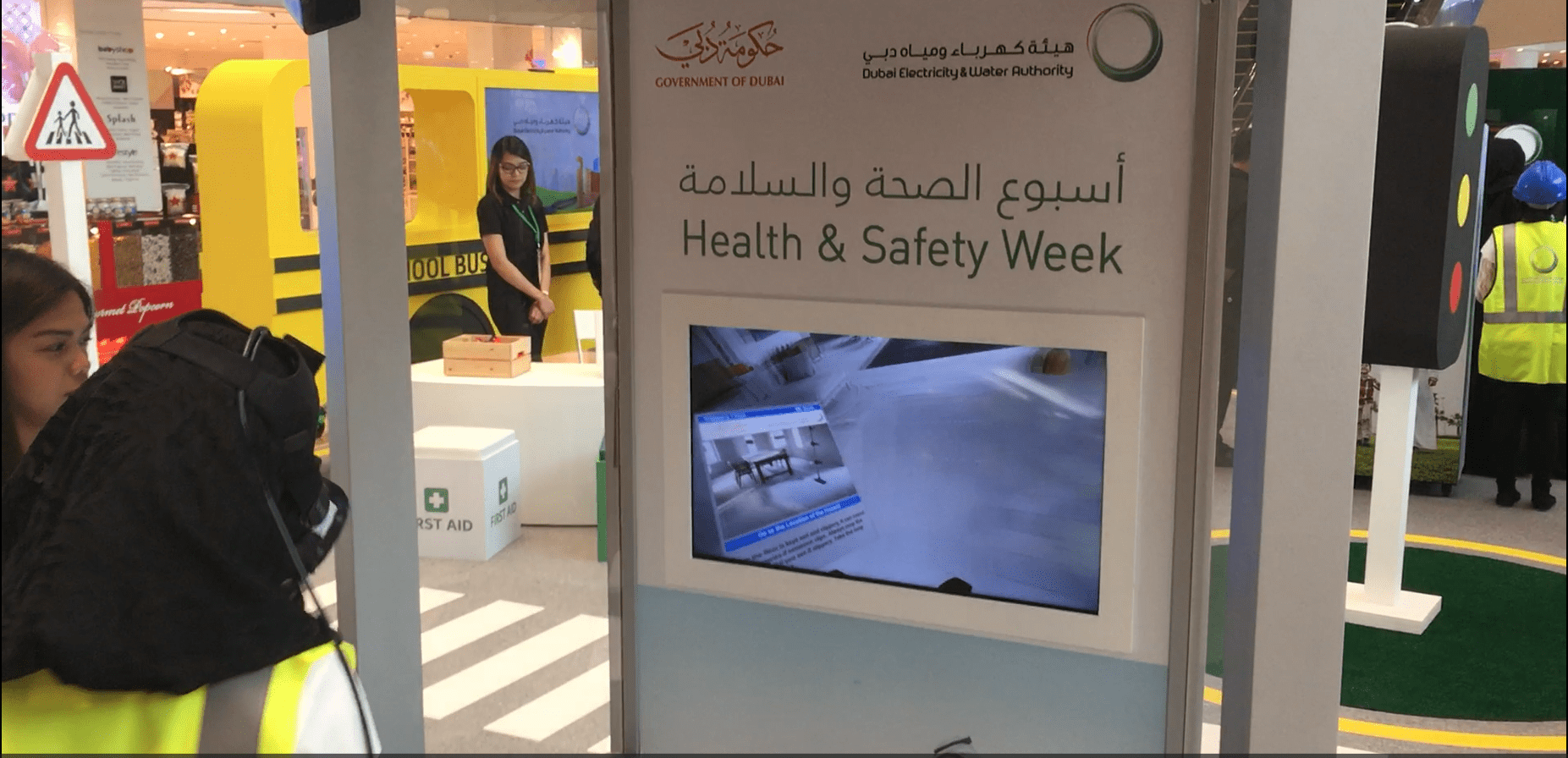
Interactive Safety Simulations That Captivate and Educate Planning a high-impact event that truly resonates with your audience can...
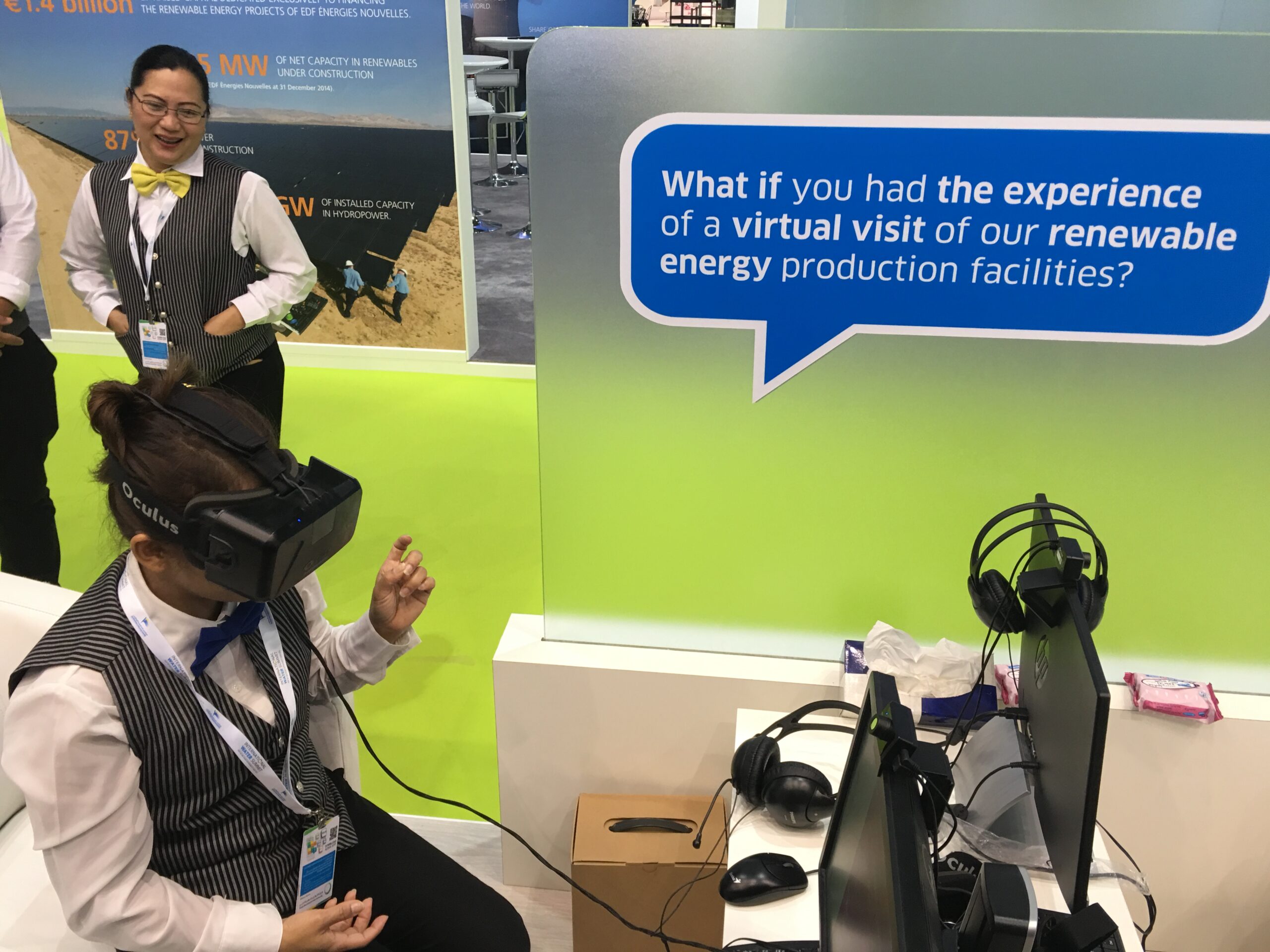
Seamless 360-Degree Video Viewing with Oculus Rift DK2 Stepping into an immersive world elevates any event presence. At...
The purpose of VR safety training is not to impress trainees. It is to prepare them to respond correctly under pressure.
VR allows organizations to train for high-risk situations without exposing people, equipment or facilities to real danger. Trainees can repeat emergency scenarios, understand consequences, practice SOPs and build confidence before working in hazardous environments.
PearlQuest can design VR safety modules for one-time events, training centres, portable field deployment, enterprise onboarding or recurring industrial training programmes.
Deploy on standalone VR headsets such as Meta Quest or HTC Vive-based setups depending on the project.
Facilitators can supervise, brief, debrief and guide trainees through structured safety modules.
Screen-based versions can support wider access where headset deployment is not practical.
Portable kits can be prepared for roadshows, field teams, remote sites and distributed training needs.
VR safety experiences can be deployed at events, training centres, exhibitions or field training environments.
PearlQuest VR training systems combine immersive development, scenario design, learning measurement and deployment planning for industrial and enterprise use.
Users can be guided through choices, consequences, timed reactions and safety protocol logic.
Plant emergency response, shutdown procedures, confined space safety and hazard recognition.
Electrical hazards, renewable energy environments, field safety and operational training.
Site hazards, equipment movement, working at height, evacuation and PPE awareness.
Emergency procedures, passenger safety, ground operations and controlled scenario training.
Machinery safety, process compliance, equipment malfunction and factory hazard drills.
Public awareness, emergency training, civic safety and multi-department preparedness.
Repeatable VR modules for student, worker and instructor-led safety training.
Public-facing safety education through immersive, memorable and measurable experiences.

Custom-built scenarios based on SOPs, hardware and software integration, and on-site deployment support across UAE and GCC.
We study your workflows, risks, procedures and training requirements before designing the VR module.
We create VR environments for safety, procedure training, hazard recognition and emergency response use cases.
We plan headset setup, event flow, trainer handover, QA/QC and technical support for live deployment.

Use this for a confined space, PPE or restricted-zone training visual.

Use this for machinery, control panel or maintenance procedure imagery.
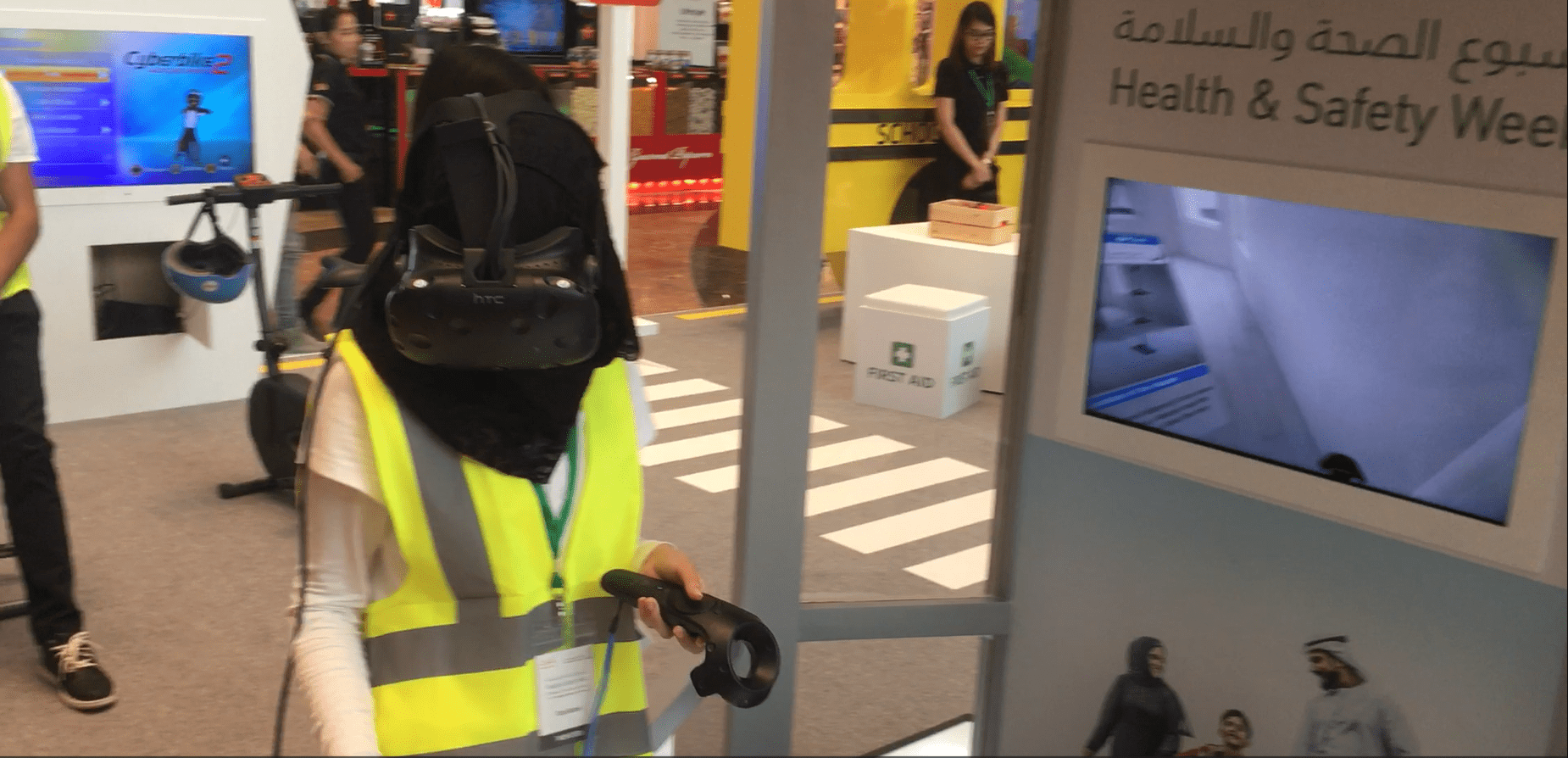
Use this for oil and gas, utilities, plant or emergency shutdown visuals.
Most modules can run on standalone VR headsets such as Meta Quest or HTC Vive-based systems, depending on the project’s realism, interaction and deployment requirements.
Typical development ranges from 4–8 weeks depending on the number of scenarios, realism required, 3D environment complexity and integration scope.
Yes. Training results, completion metrics and performance data can be exported or integrated with LMS systems where required.
Yes. VR safety training is especially useful for oil and gas because hazardous conditions, emergency response and shutdown procedures can be simulated safely.
Yes. Multi-user sessions can allow instructors to supervise training environments in real time and support collaborative or team-based training.
Yes. PearlQuest can study your SOPs, workflows, risks and regulatory requirements, then translate them into custom VR safety modules.
Tell us about your risks, SOPs, emergency scenarios and deployment needs. PearlQuest will help design a VR safety training module for your workforce.