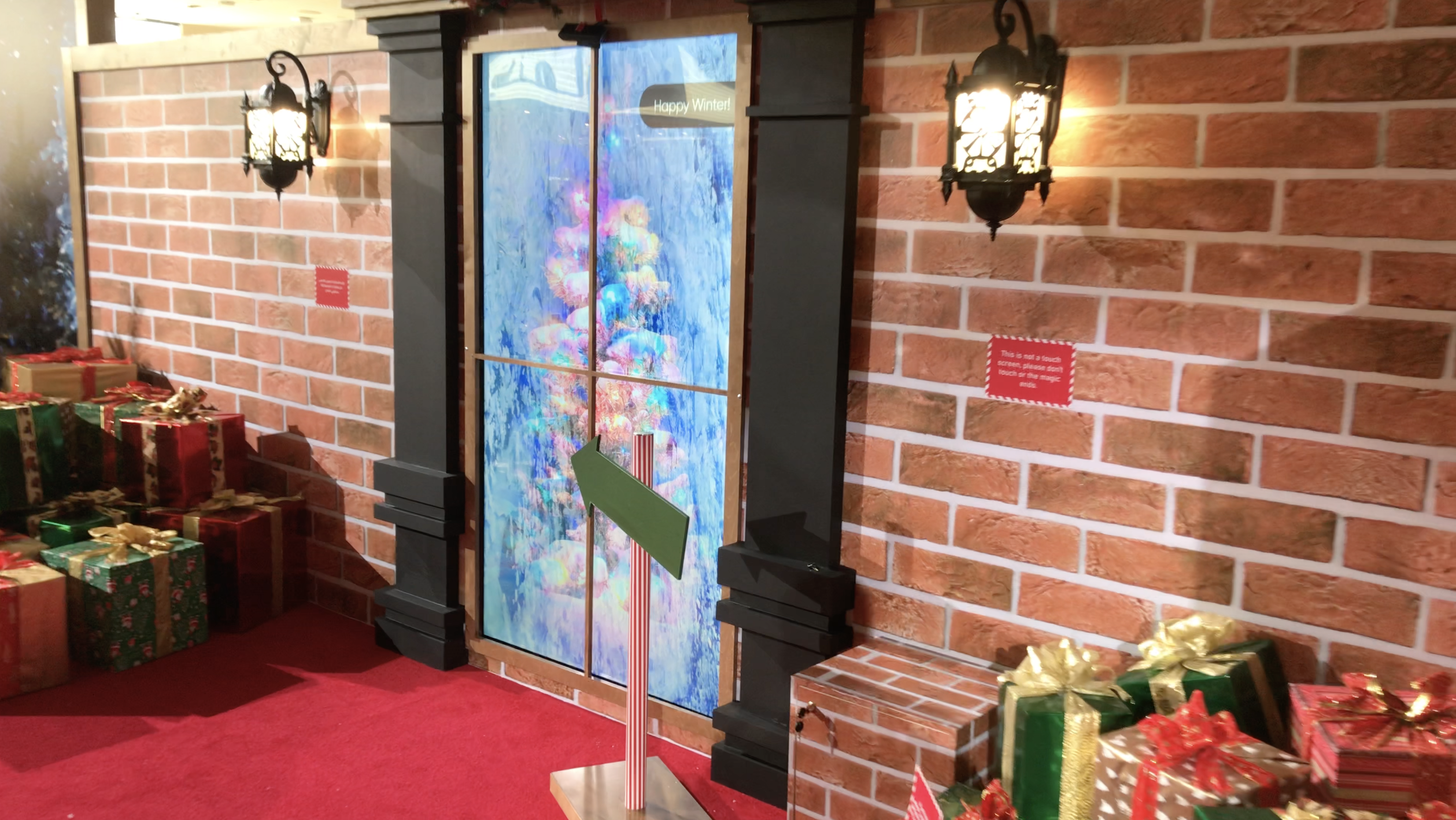
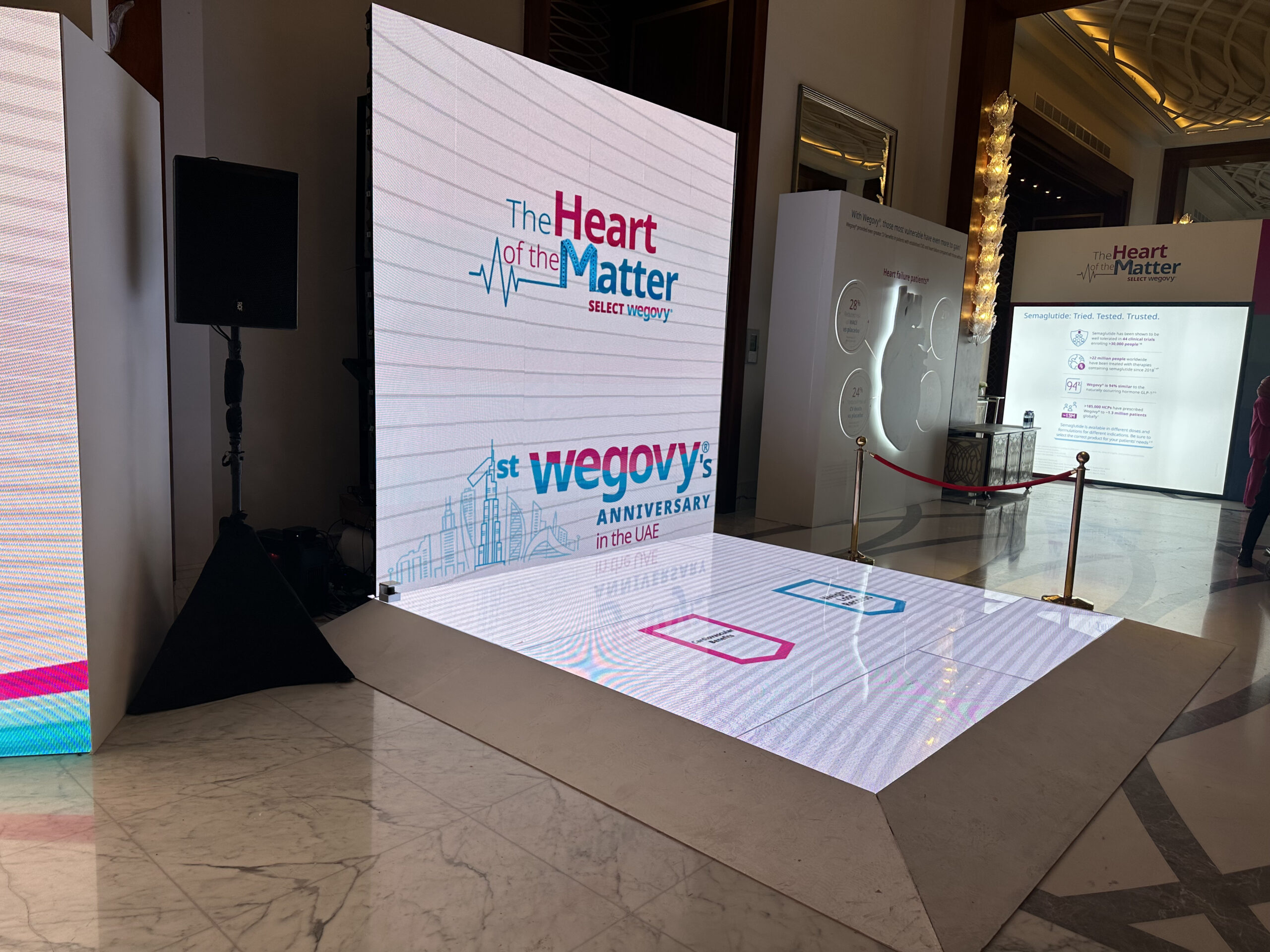
Interactive floors
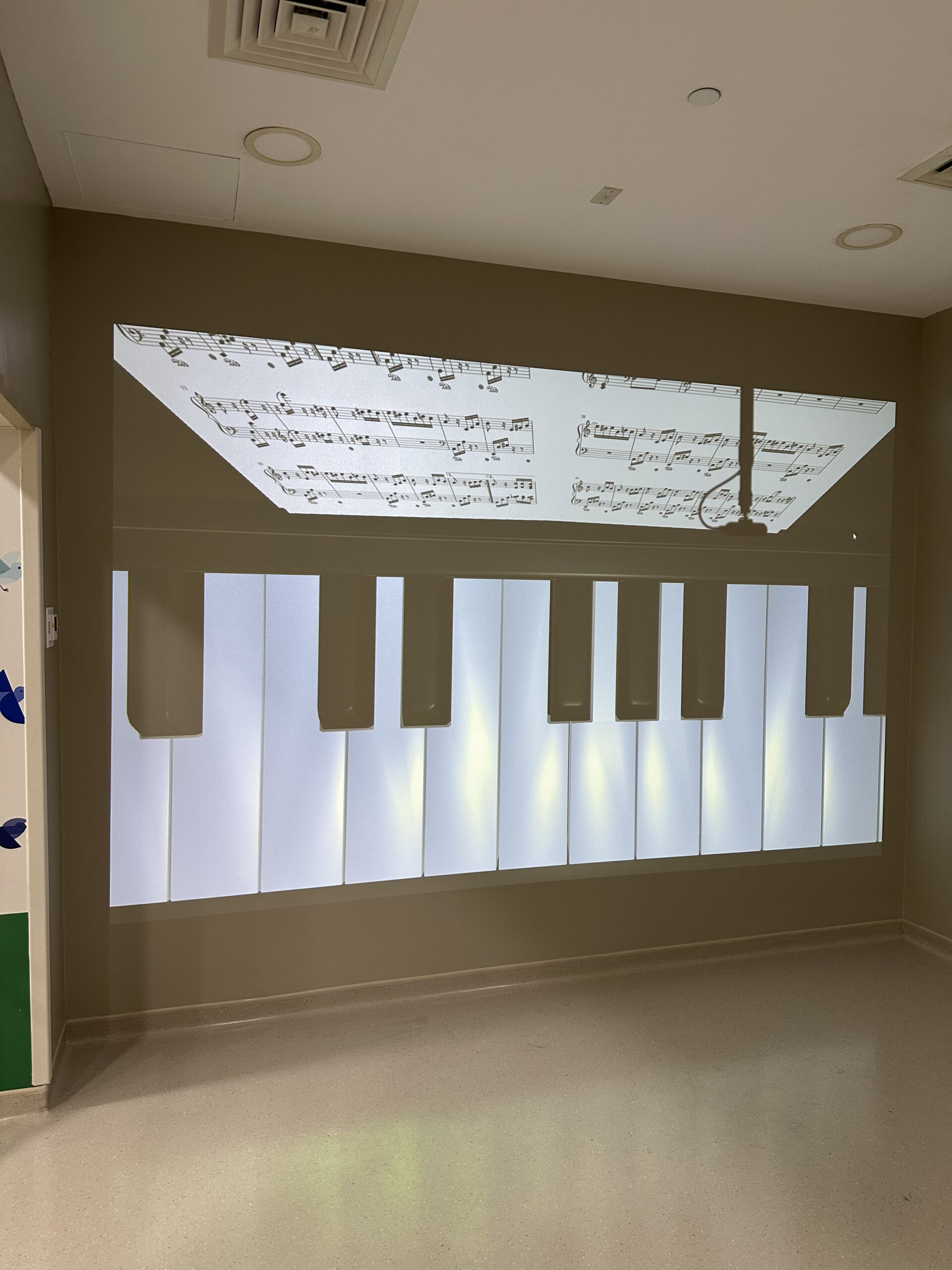
LED or projection-based floors powered by LiDAR and depth tracking, responding to footsteps, movement, proximity and multiplayer behaviour in real time.

PearlQuest designs and engineers interactive surfaces where walls, floors and architectural elements respond to touch, motion, proximity, gestures and sensor-based input.
From LiDAR-powered interactive LED floors to multi-touch walls, gesture-controlled video walls, sliding screen systems and conductive hidden-touch surfaces, we turn static venues into responsive storytelling environments.
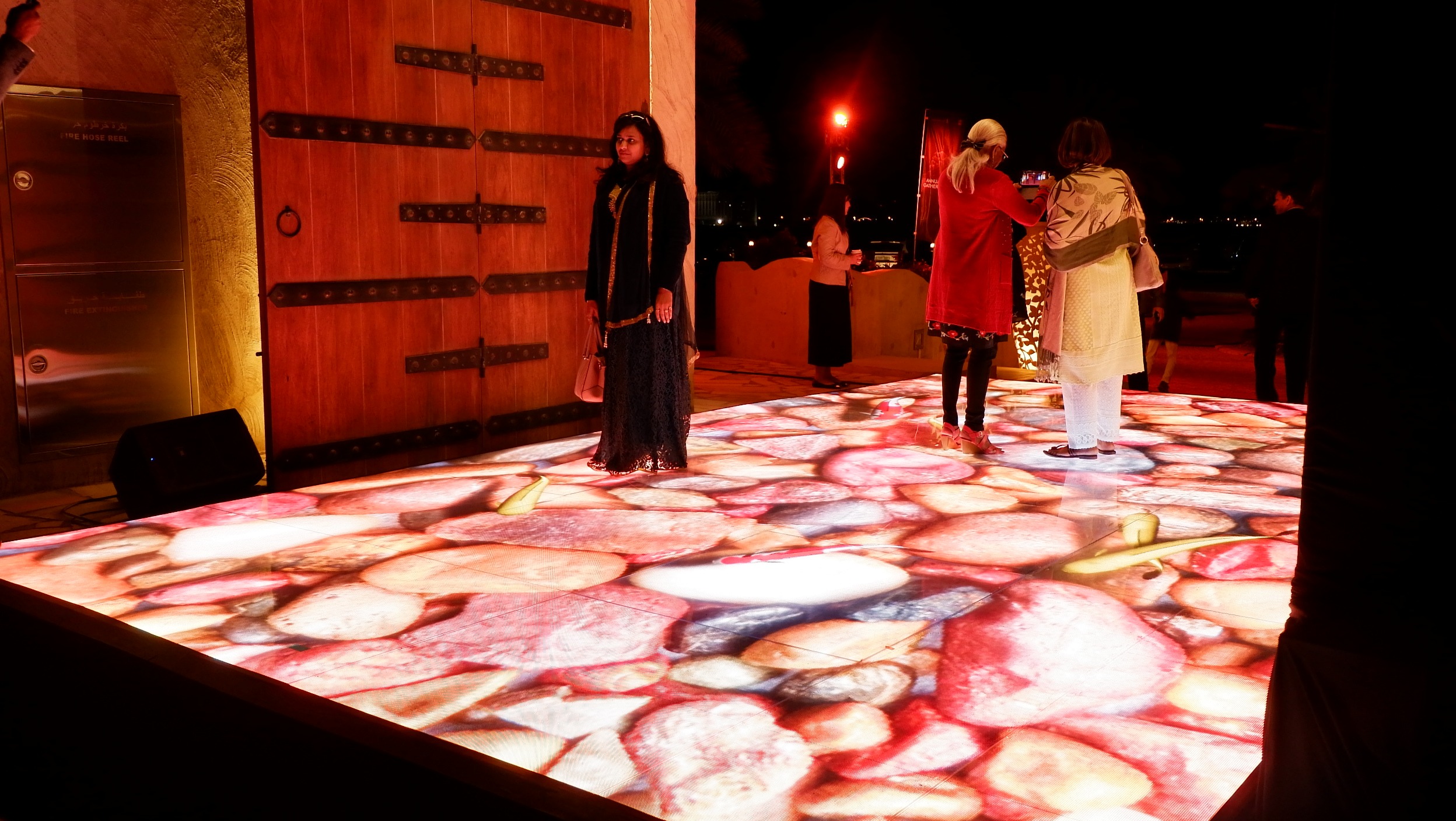
Interactive walls and floors are large-scale digital surfaces that respond to human behaviour through touch, motion, proximity, gestures, LiDAR, depth sensors, projection mapping, LED systems, multi-touch displays or custom electronics. They are used in exhibitions, experience centres, museums, malls, retail environments, corporate showcases and brand activations to increase dwell time, simplify complex storytelling and turn passive screens into active participation.
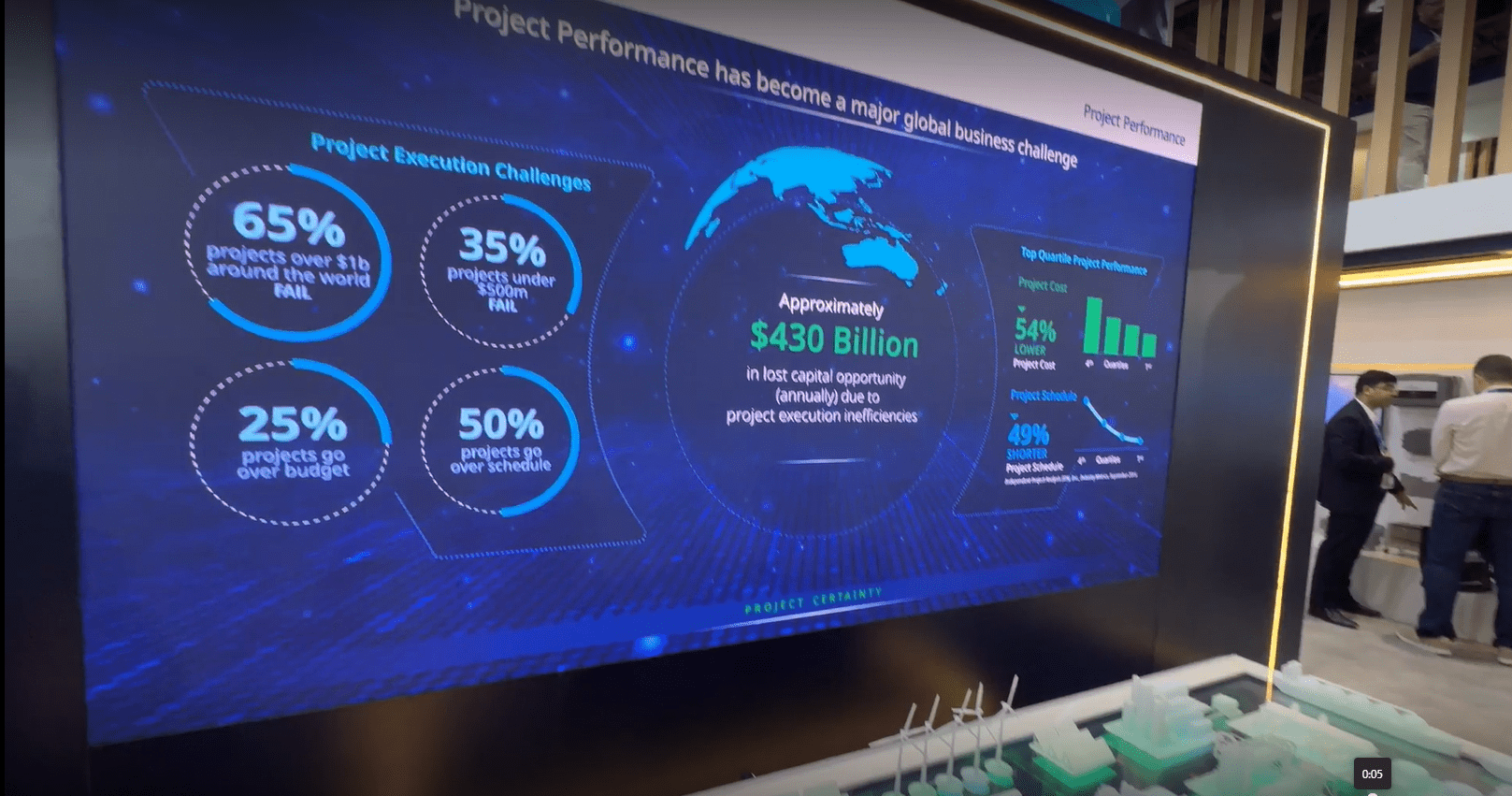
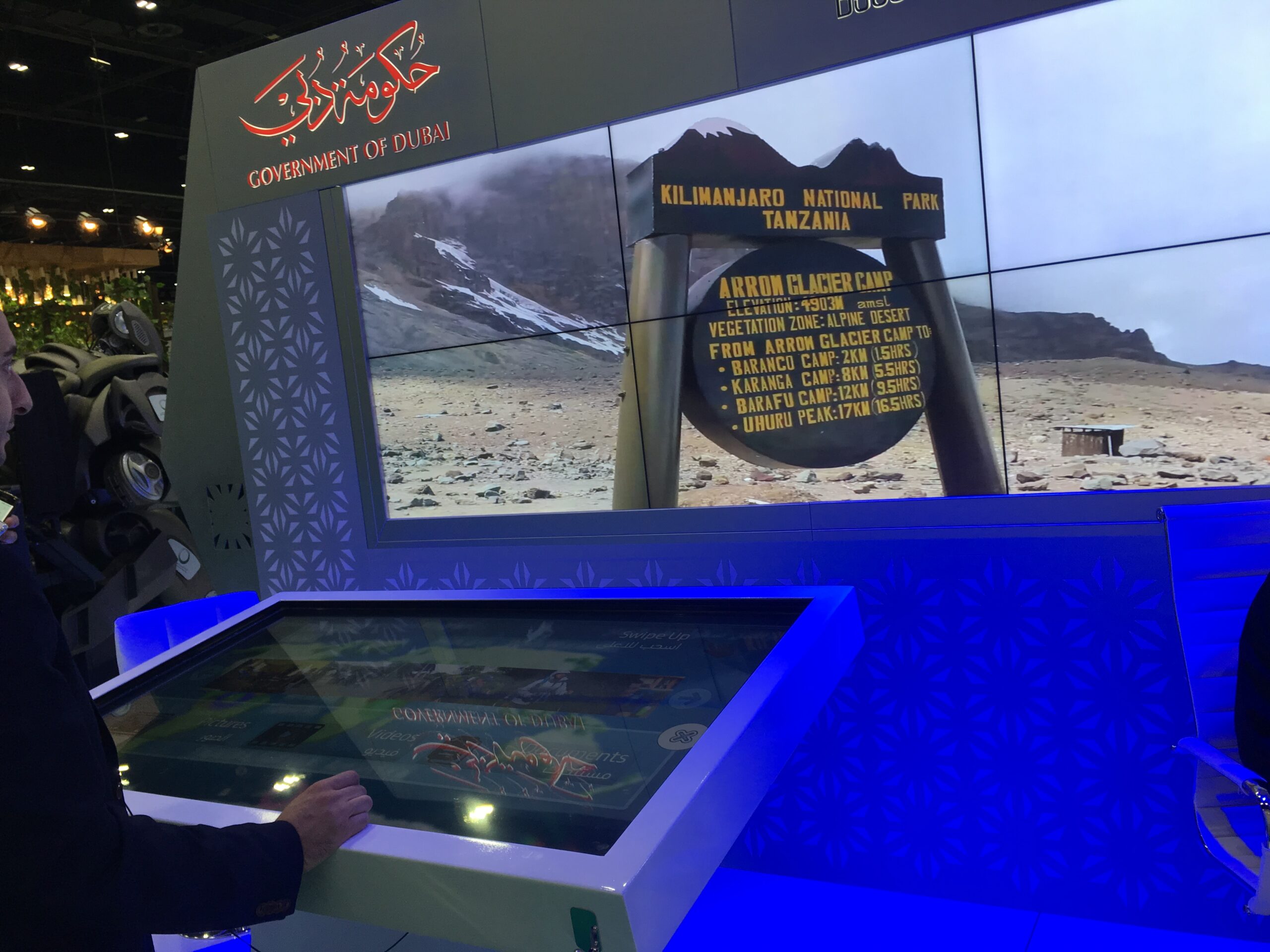
Is your audience only looking at content, or are they physically engaging with the space?
PearlQuest creates interactive surface systems that combine hardware, software, projection, LED, tracking, touch and real-time rendering into reliable visitor-facing experiences.
LED or projection-based floors powered by LiDAR and depth tracking, responding to footsteps, movement, proximity and multiplayer behaviour in real time.
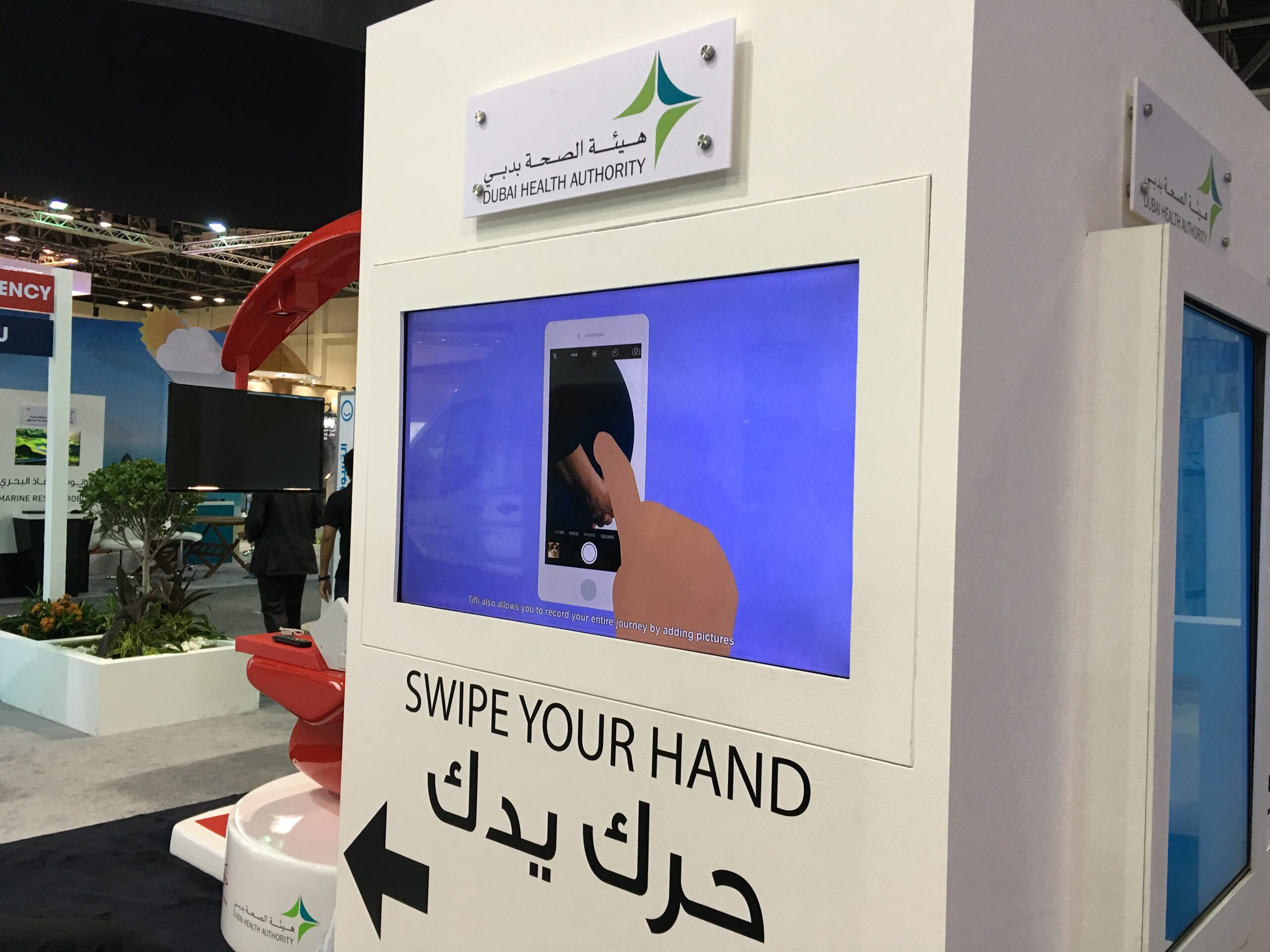
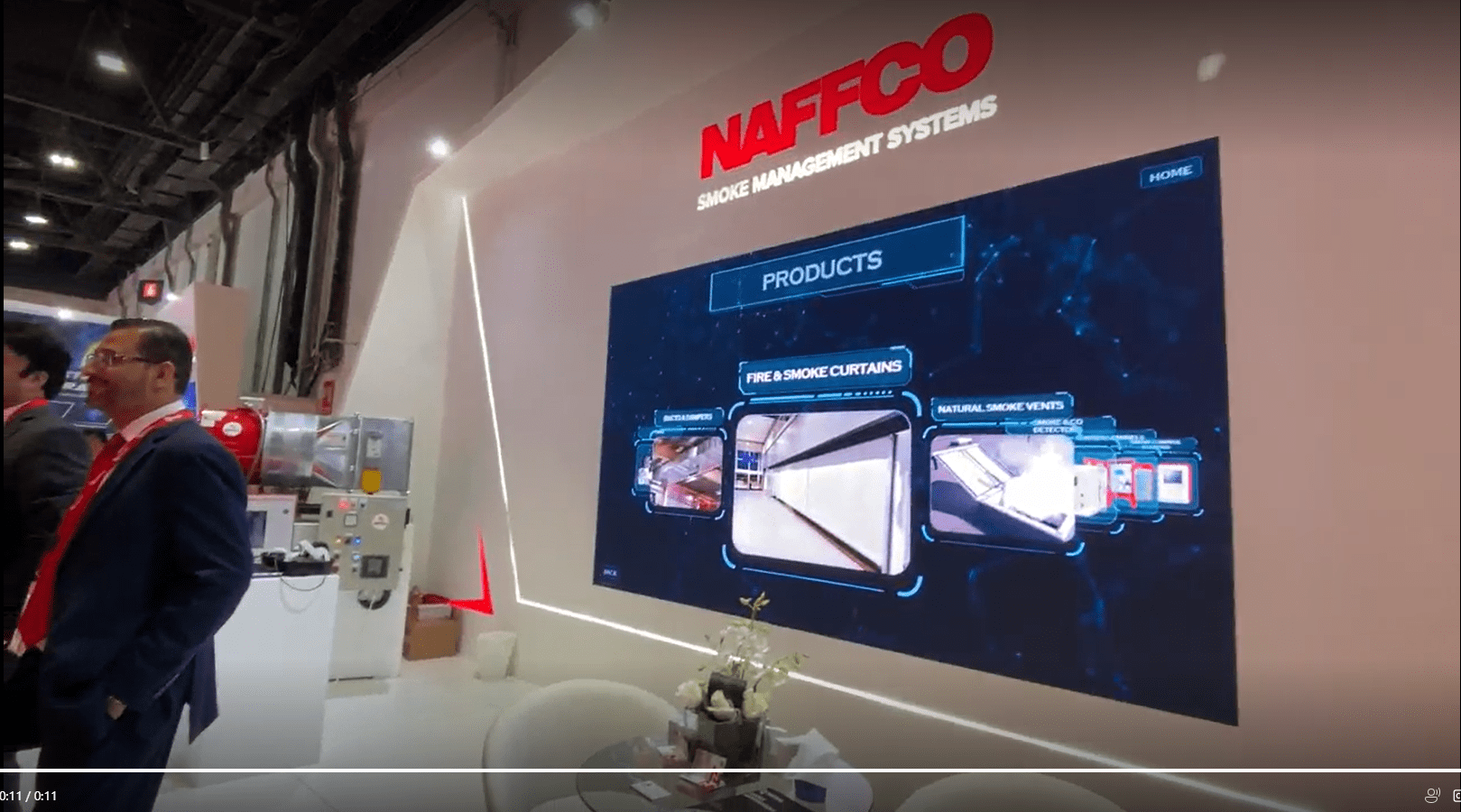
Large-format interactive displays with multi-user touchpoints for product exploration, smart city showcases, data visualization and corporate experience centres.
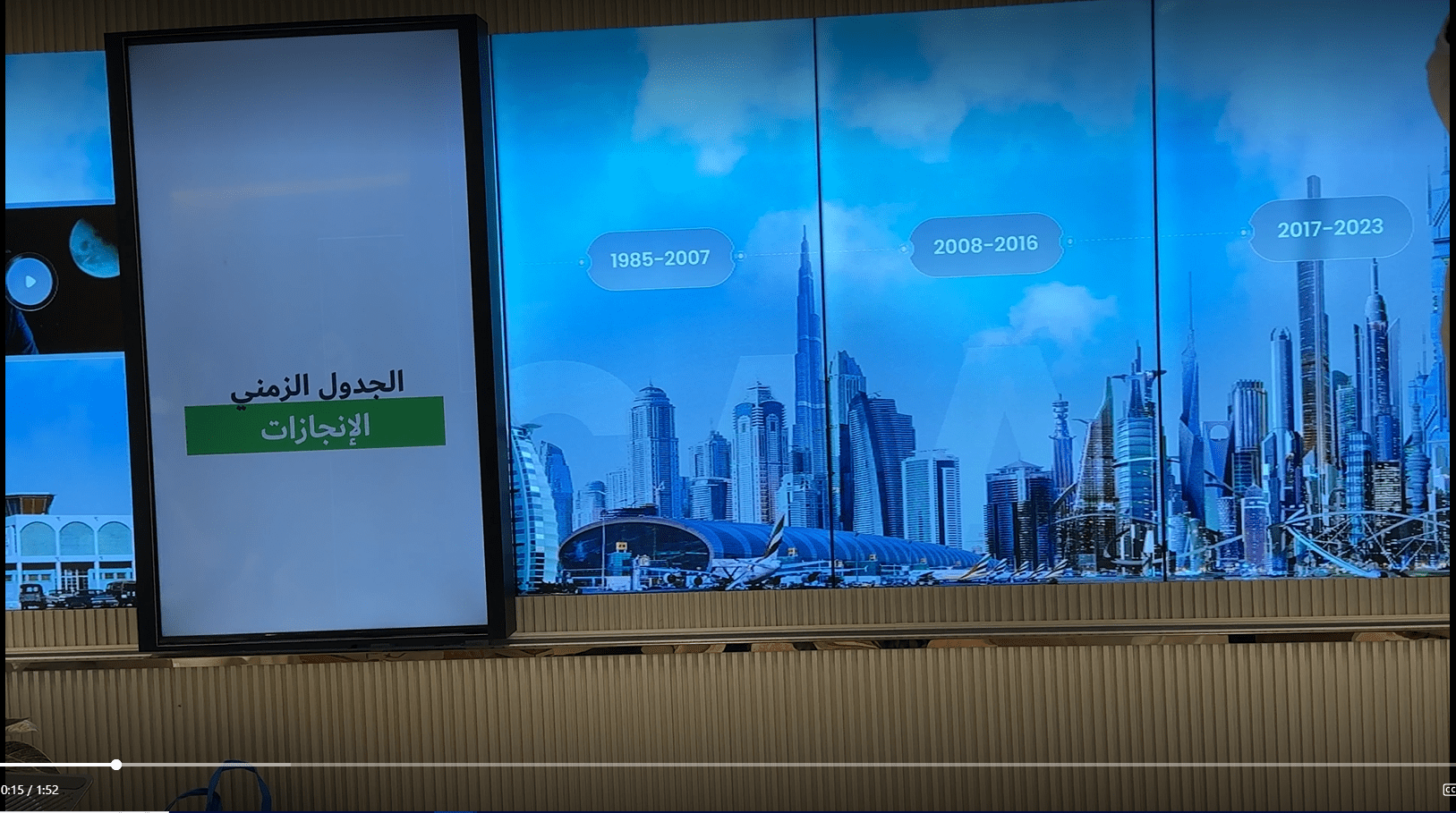
Sliding screens, conductive hidden triggers, gesture walls and hybrid installations combining sensors, microcontrollers, content and custom mechanisms.
Immersive gaming activations, museum storytelling, kids engagement zones and retail interactive pathways using projection, LED and real-time tracking.
Collaborative touch displays for smart city showcases, product exploration, data visualization and enterprise experience centres.
L-shaped or vertical LED combinations that simulate spaces such as elevators, factories, aircraft interiors or immersive product environments.
Mechatronic installations where physical movement controls content through actuators, microcontrollers, sensors and real-time synchronization.
Touchless interaction powered by Ultraleap, depth cameras and AI-based gesture recognition for high-footfall or hygiene-sensitive spaces.
Interactive vinyl posters, projection-mapped walls and hidden-trigger surfaces using conductive paint and subtle embedded input systems.
Interactive surfaces often require more than one technology. We combine screens, sensors, custom software, electronics, mechanical innovation and on-ground deployment planning.
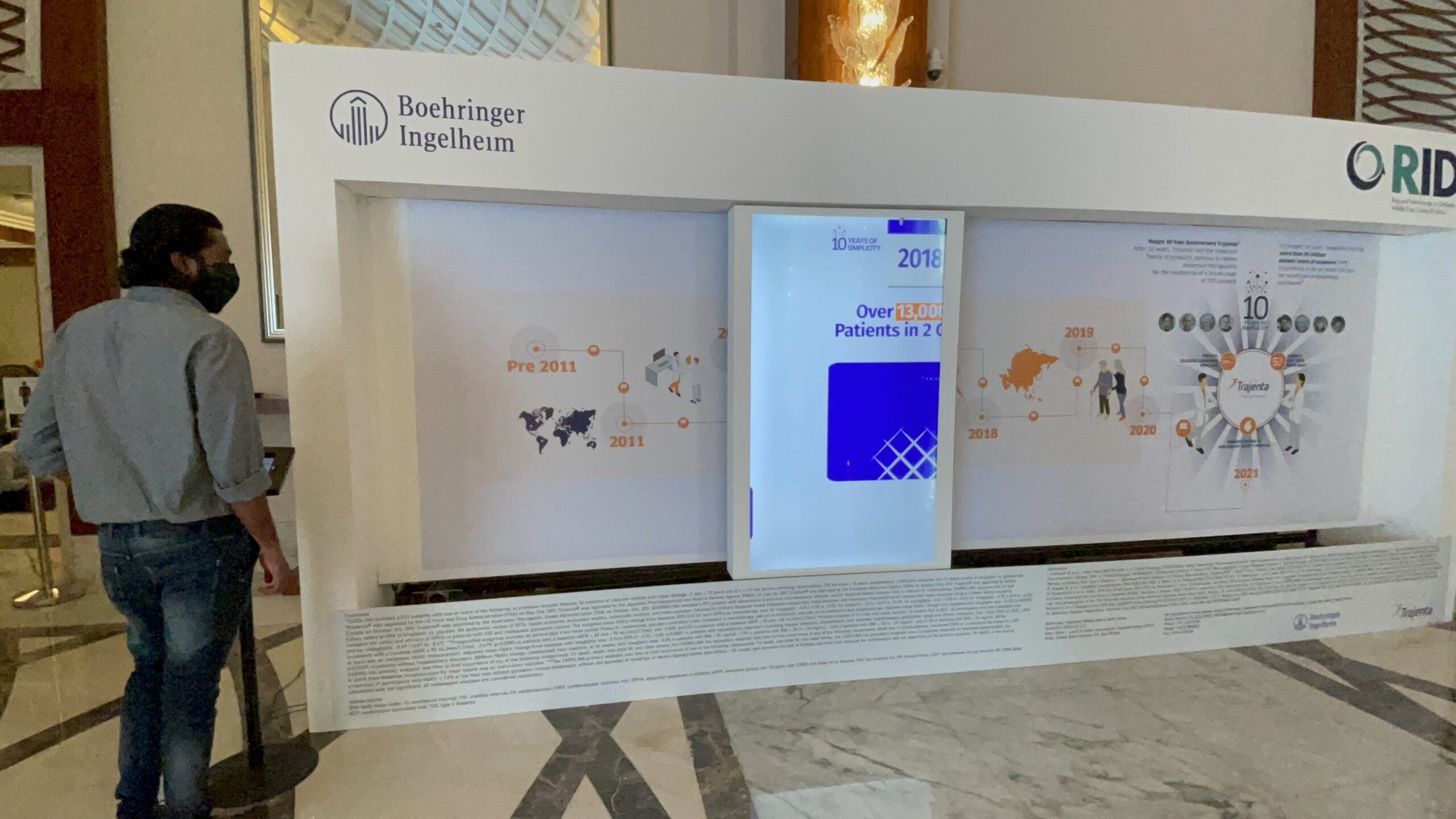
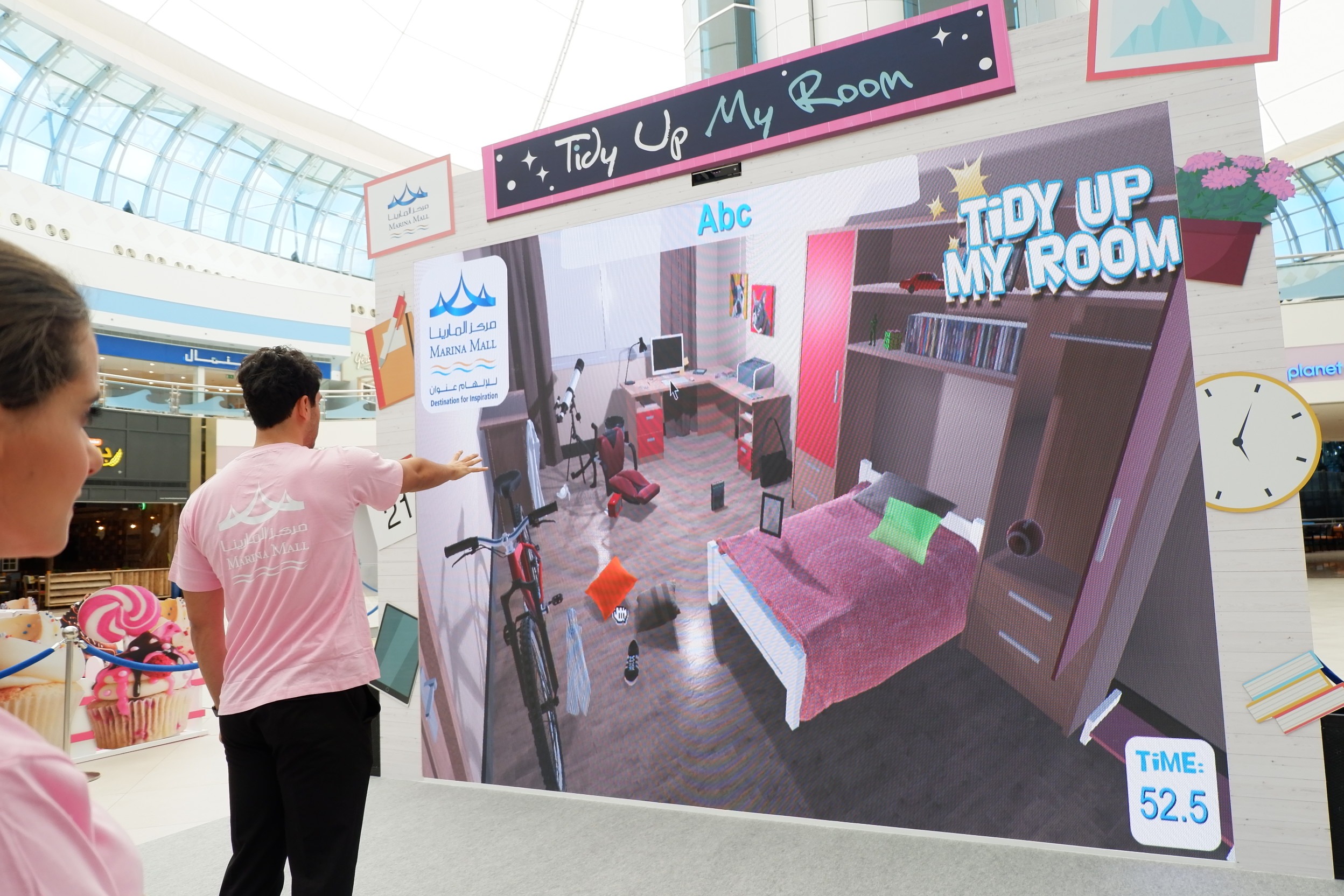
A normal screen shows content. An interactive surface makes the audience part of the content.
Interactive walls and floors work because they convert the surrounding architecture into a live interface. Visitors can walk, touch, gesture, collaborate, explore and influence what happens next.
For brands, this creates stronger recall and a more premium event moment. For museums and public venues, it makes storytelling more physical and understandable. For corporate showcases, it helps translate complex systems visually.
PearlQuest designs interactive surface systems around the physical environment first, then selects the right mix of sensors, displays, rendering engines, electronics and control systems.
LiDAR, depth cameras, multi-touch systems, Ultraleap, conductive triggers, proximity sensors, pressure inputs and mechanical feedback loops.
Unity, Unreal Engine, TouchDesigner, Arduino, ESP32, custom software, AI-based motion tracking, analytics and sensor processing logic.
COB/SMD LED panels, projection mapping, DMX lighting sync, video walls, content management, show control and real-time visual responses.
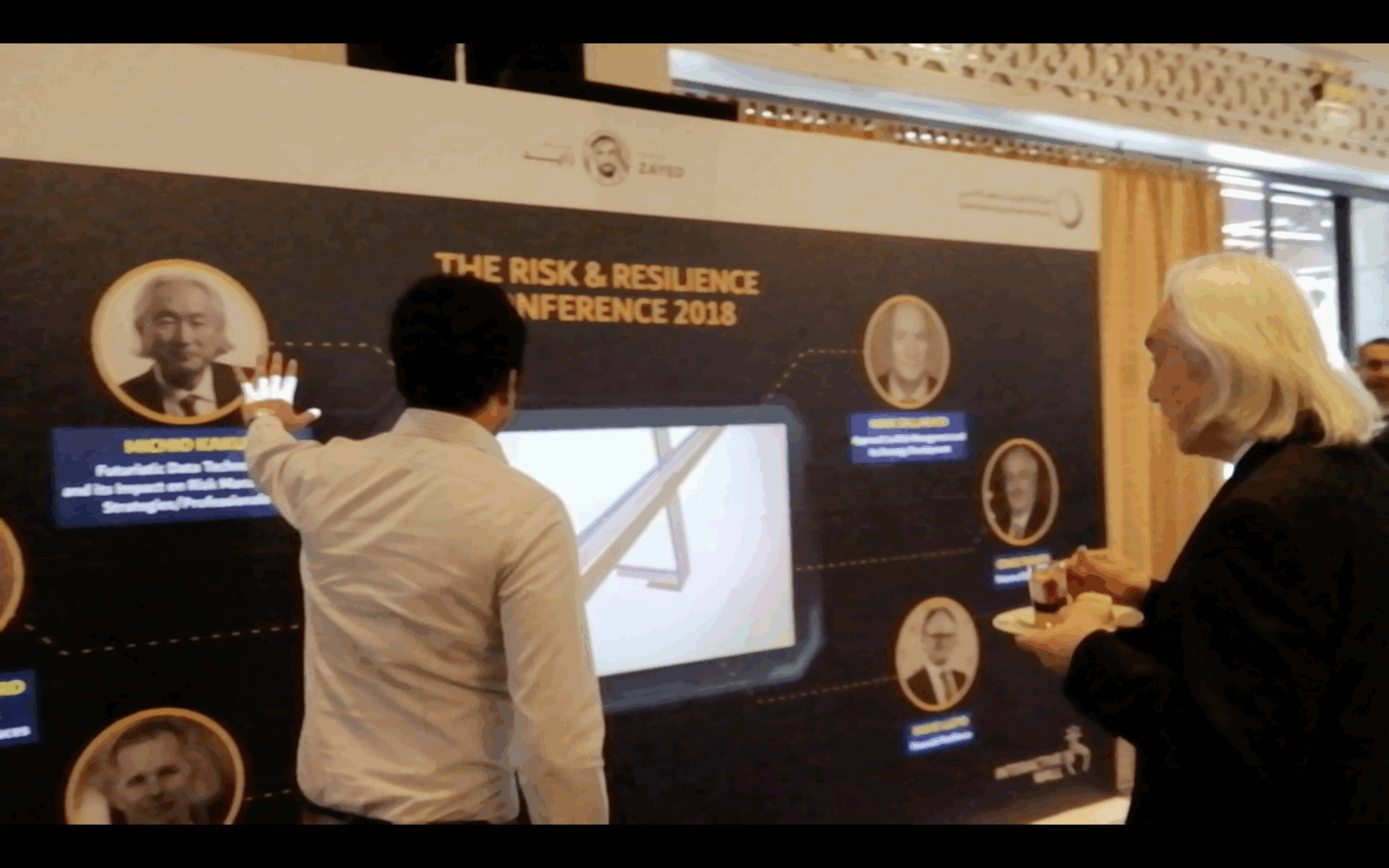
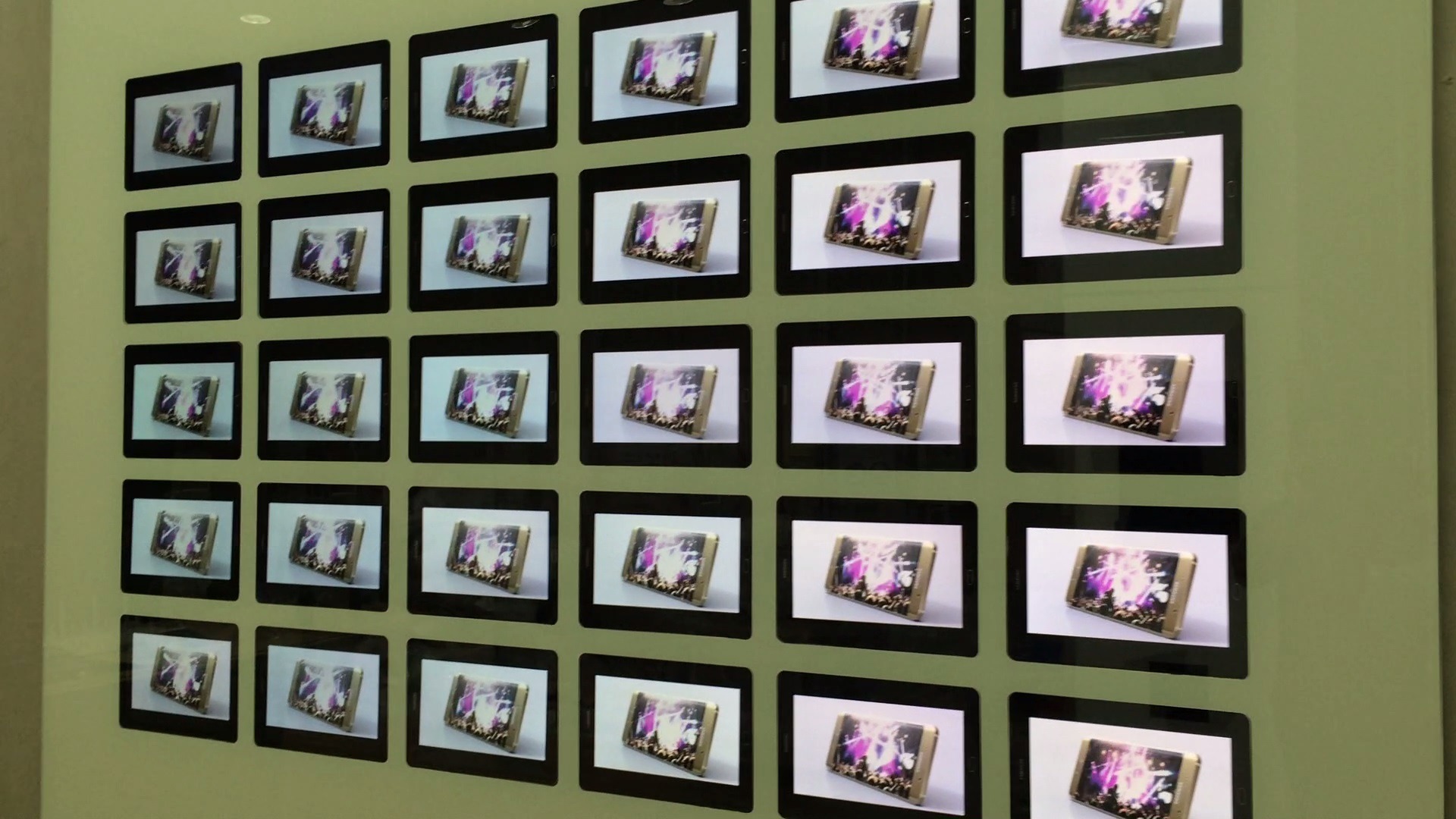
We study the venue, user flow, traffic level, installation duration, physical constraints, content requirements and stakeholder objectives.
We define what visitors will touch, trigger, walk across, gesture toward, move, reveal, explore or collaborate on.
We prepare the technology approach, sensor logic, screen/projection requirements, content behaviour and integration plan.
We build the software and integrate sensors, LED panels, projection systems, controllers, microcontrollers or custom mechanical interfaces.
We test tracking accuracy, touch behaviour, visual response, multi-user handling, hardware reliability and live visitor flow.
We support installation, setup, calibration, operator flow and on-ground deployment for temporary or permanent experiences.
Interactive surfaces are not just creative ideas. They are physical-digital systems that must work under real footfall, lighting, visitor behaviour and event pressure.
Experience across events, exhibitions, public venues, brand activations, kiosks, games, simulations and immersive spaces.
From experience strategy and specifications to software, hardware integration, QA/QC, installation and live support.
We help turn products, systems, data and infrastructure into spatial journeys that audiences can understand through interaction.

An interactive surface is a digital wall, floor or architectural element that responds to user interaction through touch, motion, proximity, gestures or sensors.
Yes. Interactive floors can be designed with industrial-grade materials and suitable surface treatments for public environments, temporary activations or permanent installations.
Yes. Large-format multi-touch systems can support many simultaneous touchpoints, allowing collaborative exploration, product discovery and data visualization.
Timelines vary by complexity, but interactive surface projects commonly require planning, hardware selection, fabrication, software development, content integration, testing and installation.
Yes. PearlQuest can design temporary brand activations as well as permanent interactive environments for experience centres, museums, corporate showcases and public venues.
Yes. PearlQuest can support experience design, software development, sensor logic, LED or projection systems, microcontroller integration, QA/QC and deployment planning.
Tell us about your space, audience, content and campaign objective. PearlQuest will help shape the right interactive surface concept and technology approach.