Walk-through environments
Create tunnels, rooms, corridors, zones or enclosed spaces where visitors are surrounded by story-led visuals and sound.

PearlQuest creates immersive tunnels, projection rooms and LED environments that surround visitors with story, sound, motion graphics, interactive content and powerful visual atmosphere.
We combine LED surfaces, projection mapping, interactive floors, spatial sound, motion graphics, AI-generated visuals, sensor triggers and show-control logic to turn walk-through spaces into memorable destination experiences.
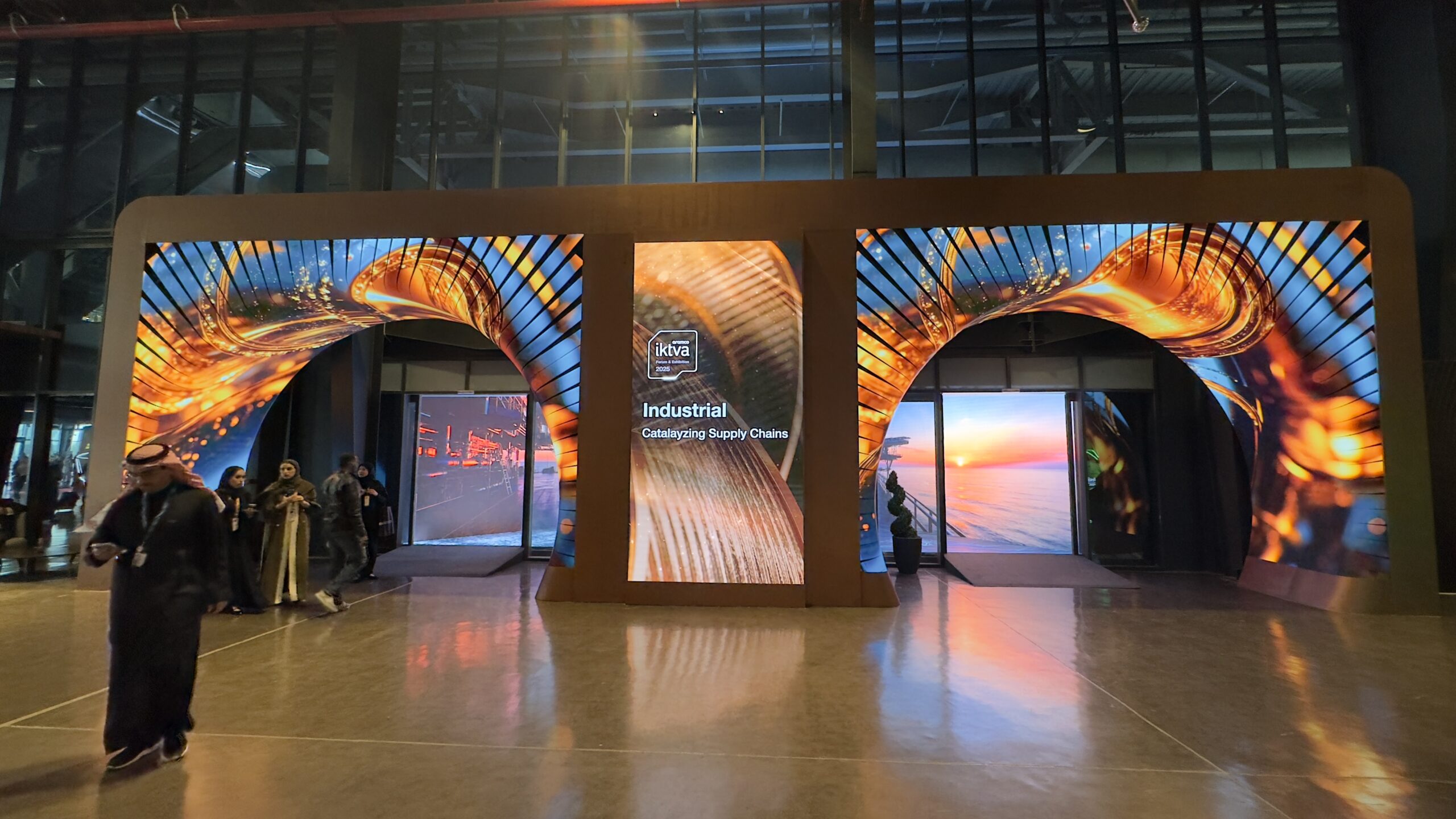
Immersive tunnels and projection or LED rooms are walk-through or room-scale environments where visitors are surrounded by visuals, sound, light, motion graphics and sometimes interactive content. They are used by brands, exhibitions, pavilions, museums, real estate developers, government entities and events to create high-impact storytelling, photo moments, product showcases and memorable visitor journeys.
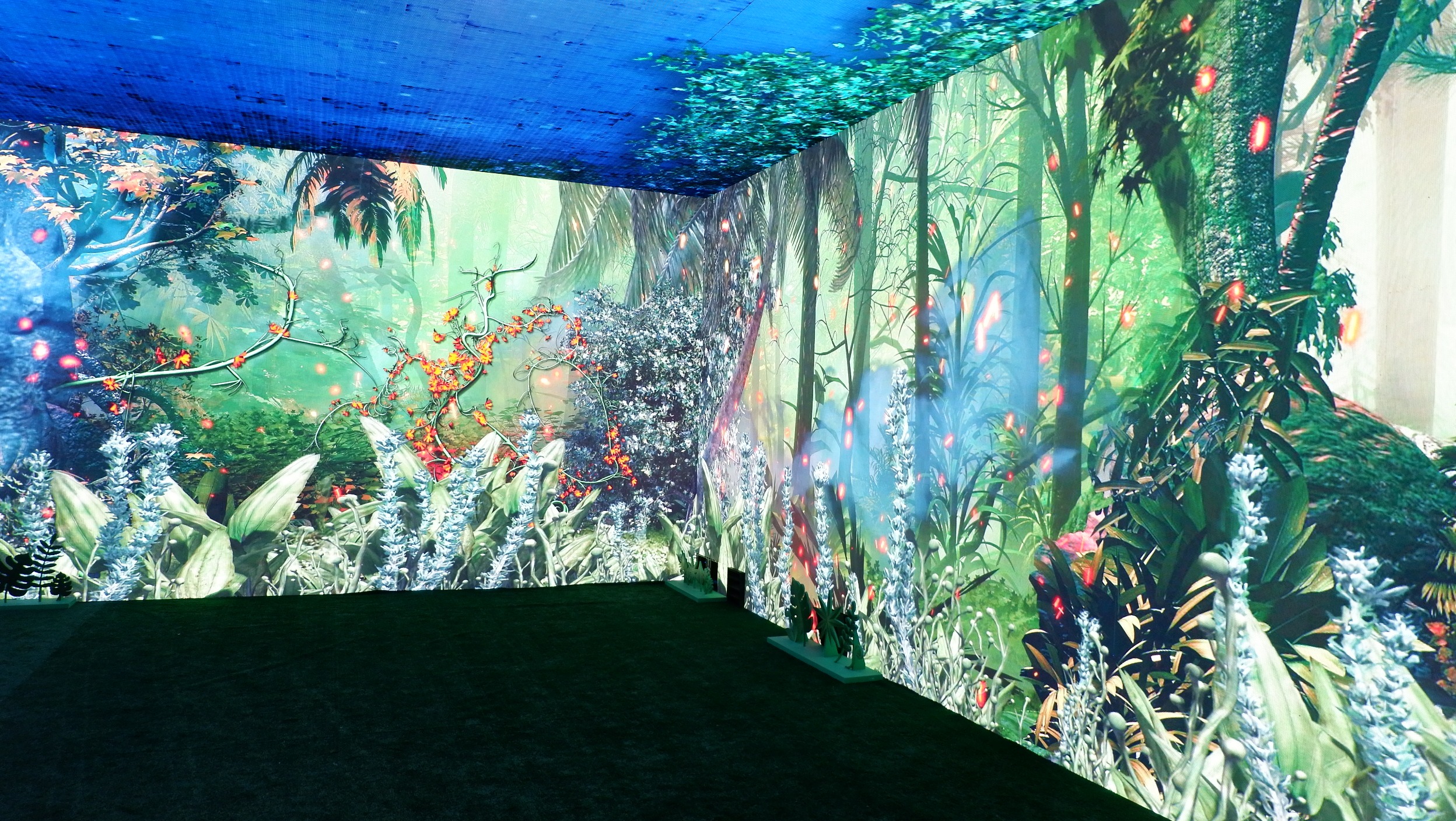
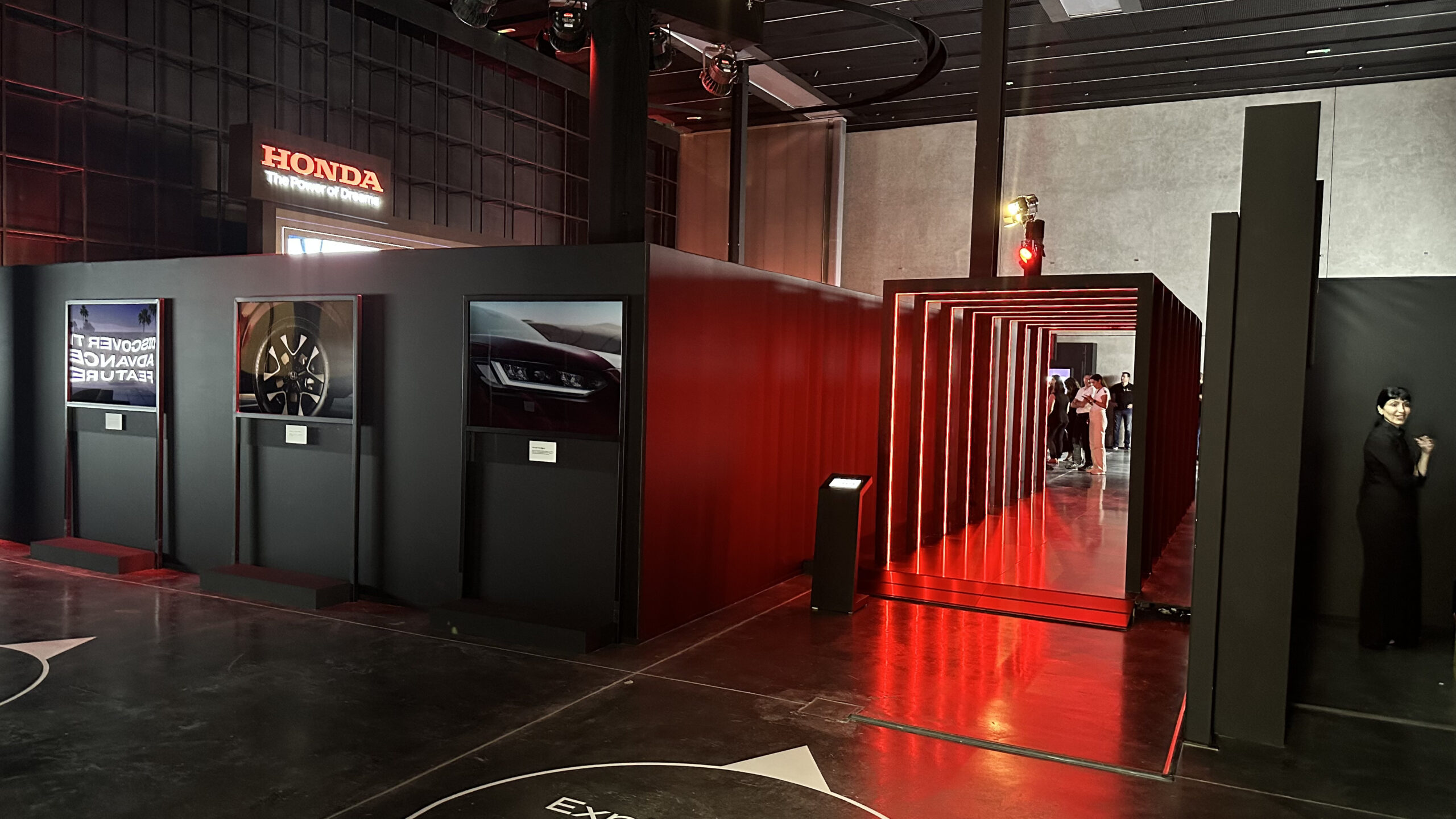
Do you need visitors to feel immersed the moment they enter?
PearlQuest designs and develops immersive tunnels, LED rooms and projection environments for exhibitions, pavilions, brand activations, museums, public events, launches and destination experiences.
Create tunnels, rooms, corridors, zones or enclosed spaces where visitors are surrounded by story-led visuals and sound.
Use motion graphics, AI-generated visuals, branded content, projection, LED surfaces and sound design to shape emotional flow.
Add interactive floors, object triggers, motion sensors, visitor-controlled scenes or content changes where needed.
Walk-through visual corridors designed for high-impact storytelling, photo moments and crowd attraction.
Room-scale projection environments that surround visitors with content, atmosphere and narrative.
Premium LED-based environments using walls, floors, ceilings or curved surfaces to create cinematic experiences.
Add motion, touch or sensor-triggered content to make the room respond to visitor presence.
Use AI-assisted visuals and motion design to create dynamic, futuristic or thematic environments.
Create memorable zones for trade shows, government pavilions, product launches and destination marketing.

Captivating event audiences with motion-sensing floor tiles and dynamic light tunnels. Captivate event visitors by turning footsteps into...
Redefining Event Engagement with 1.9mm LED Technology and AI-Driven Storytelling Saudi Aramco tasked us with transforming a standard...
Redefining brand storytelling through proximity-sensor LED technology and real-time motion triggers. Huawei challenged us to turn a...
Redefining Event Entrances through Immersive Technology and Real-Time User Control PearlQuest transformed Honda’s launch zone into a high-energy...
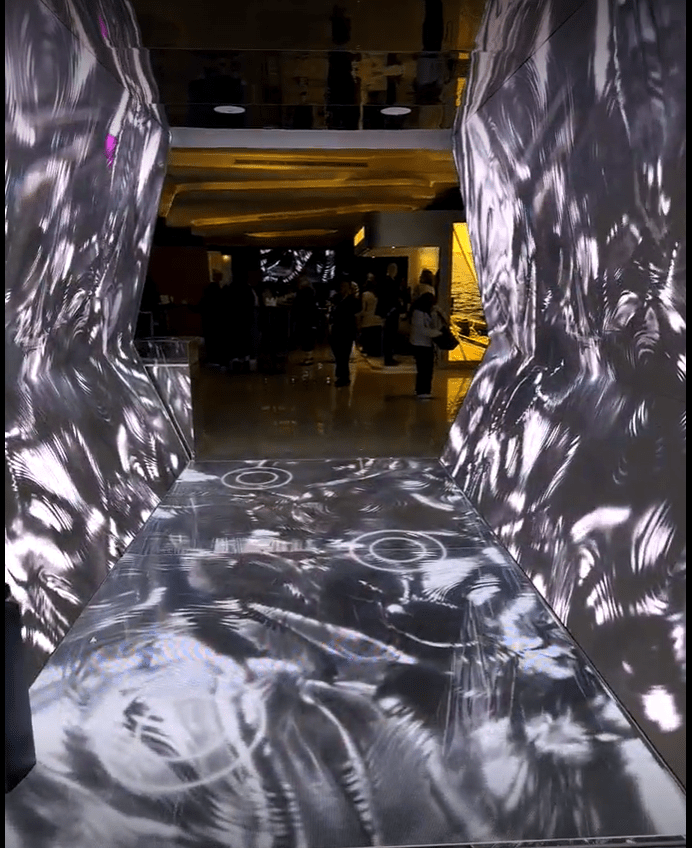
A Multi-Sensory Journey Redefining Brand Storytelling with Interactive Projection Mapping Your brand legacy deserves more than a static...
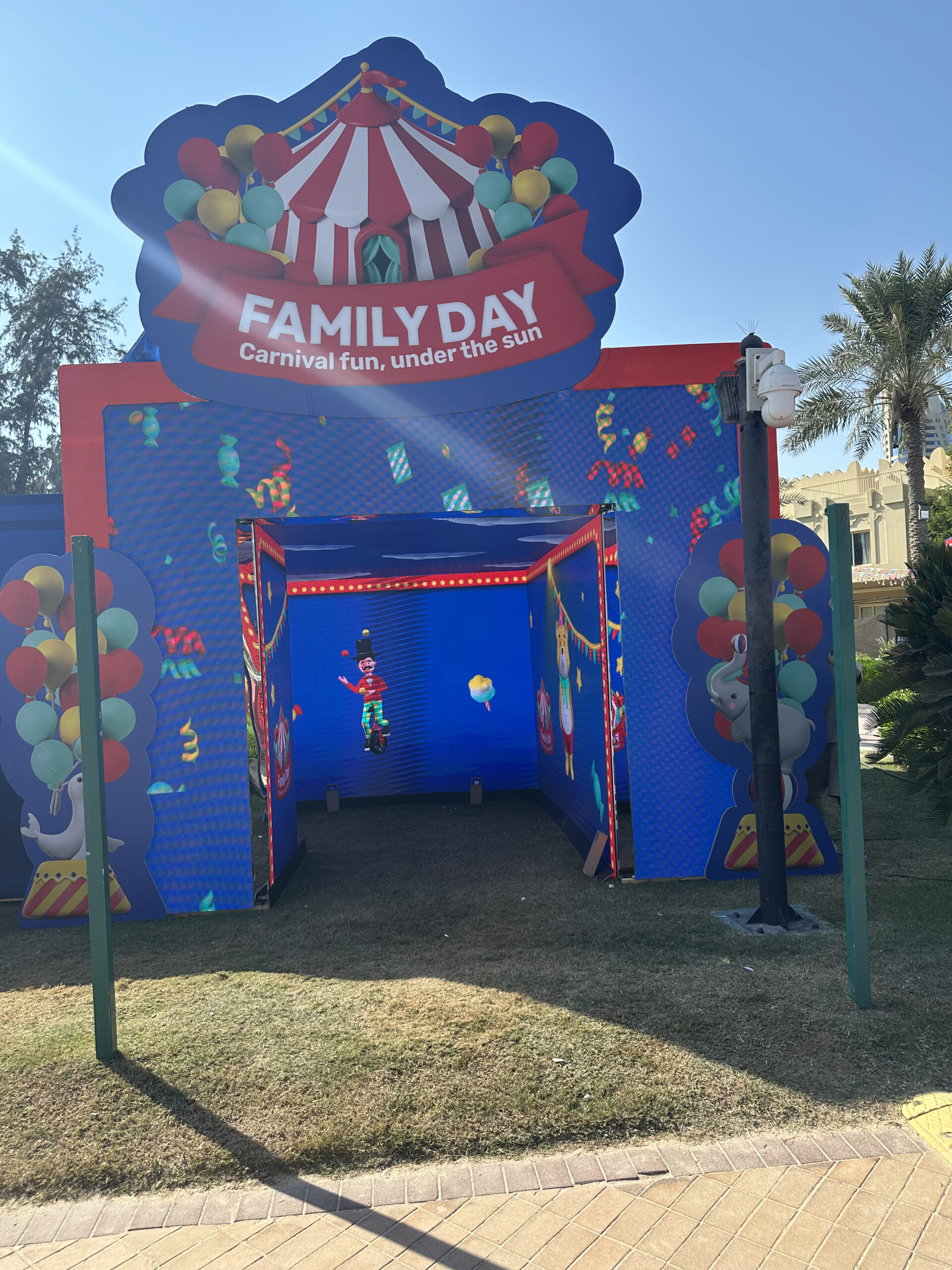
Bringing Cartoon Worlds to Life with Interactive LED Technology Families at the Apex carnival stepped into a vibrant...
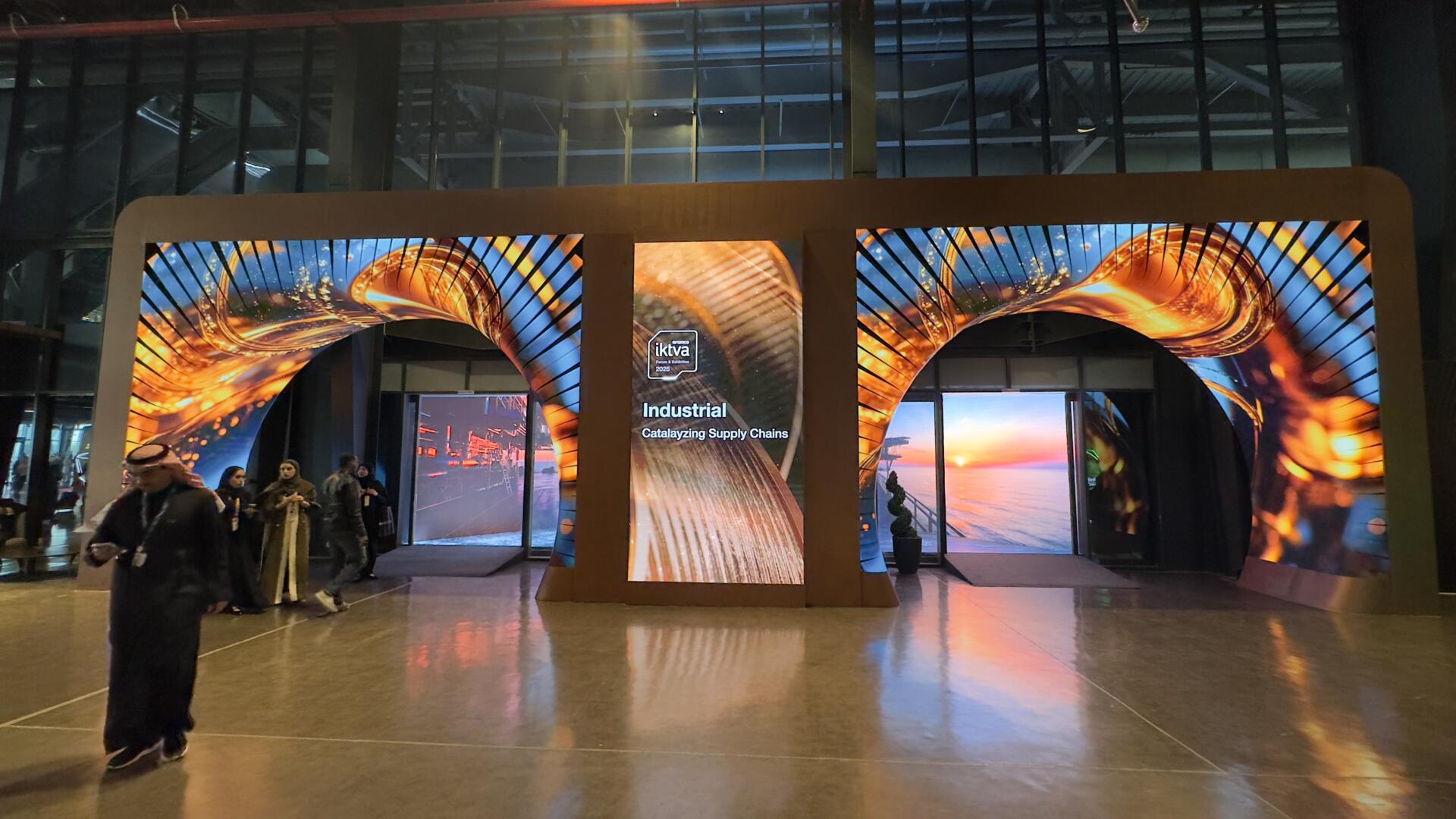
Redefining Event Engagement with AI-Powered Visuals At iktva 2025, Aramco unveiled a truly captivating experience: an immersive tunnel...

Proximity-Activated Video and Gesture Control Captivate Visitors at DHA’s Stand Stepping into an exhibition booth should feel like...
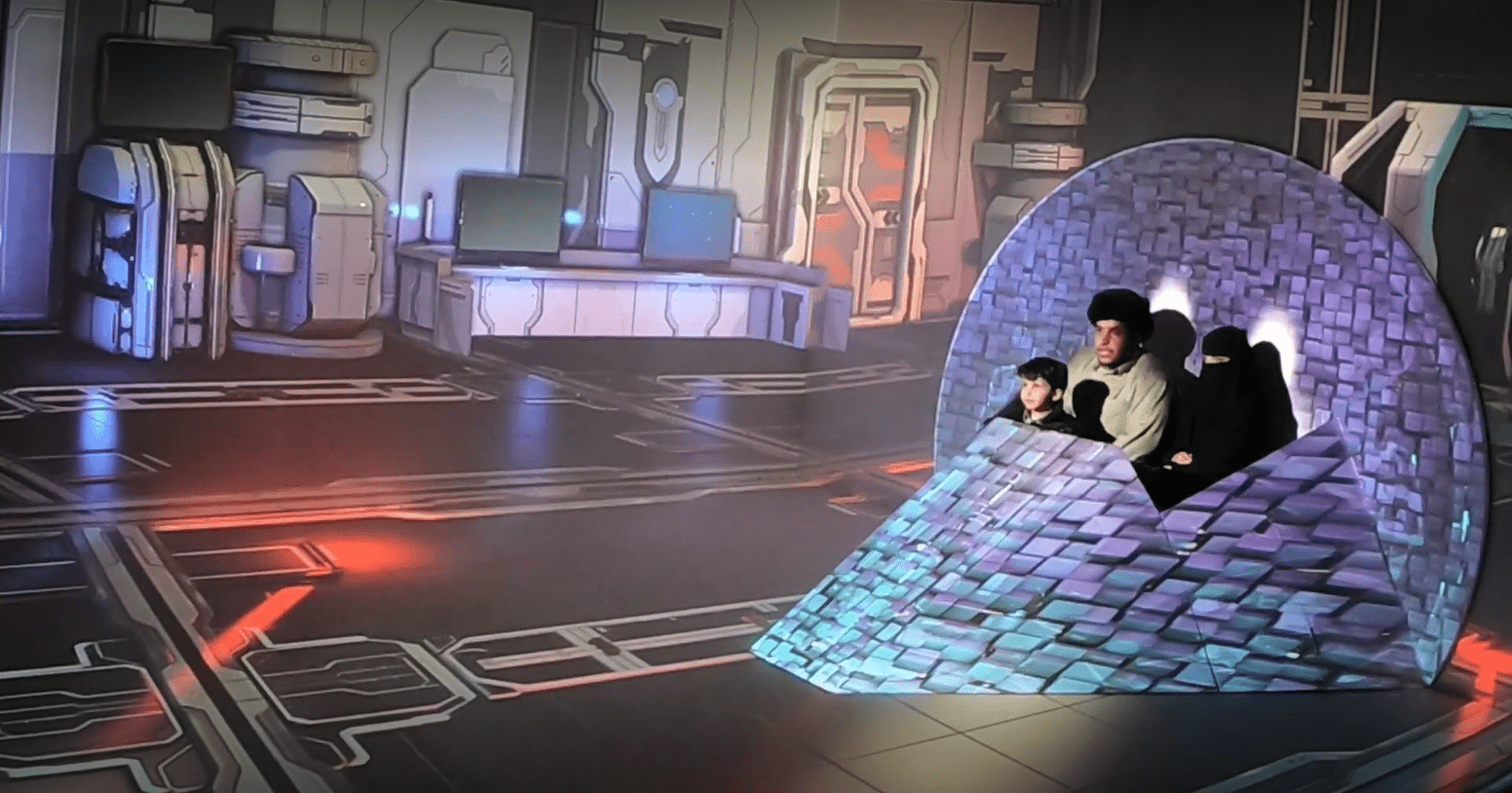
The Story of a High-Tech Projection Mapping Challenge Delivered Seamlessly Step inside the Nation Towers’ Time Machine, a...
A screen can show content. An immersive tunnel can make people walk through it.
Immersive tunnels and LED/projection rooms work because they change the visitor’s physical relationship with content. Instead of standing in front of a screen, people enter the story. They look around, move through it, take photos, record videos and remember the experience as a place.
This is especially useful when the goal is premium perception, high visual impact, public attention or emotional storytelling. A well-designed immersive room can become the central attraction of an event, pavilion, museum zone or brand activation.
We study the venue, visitor path, technical constraints, content format and event goals before specifying projection, LED, audio, interaction and control systems.
LED walls, curved LED, projection mapping, floor projection, ceiling visuals, multi-screen environments and panoramic displays.
AI-generated visuals, 3D motion graphics, branded films, environmental loops, transitions, spatial audio and show sequencing.
Interactive floors, motion sensors, object triggers, visitor presence detection, show control, CMS and operator controls.
We study your objective, audience, location, event format, content requirements, technical constraints, timeline and budget.
We define what visitors will see, hear, touch, trigger and remember, then map the user journey and experience logic.
For complex installations, we can create wireframes, technical specifications, prototypes or proof-of-concept builds.
We develop the software and integrate AI tools, sensors, audio systems, visual displays, lighting or physical interfaces.
We test usability, performance, content behaviour, technical stability and real-world interaction flow before launch.
We support installation, deployment, event setup and live operation as required for the project environment.
PearlQuest brings together experience strategy, creative technology, user experience planning, development coordination, hardware/software integration and QA/QC.
We start with audience behaviour and campaign purpose, so the experience is meaningful, not just visually impressive.
We specify the right technology and integration approach before build, reducing risk and unnecessary complexity.
We manage development, integration, testing and QA/QC so the final installation can perform under live-event conditions.
It is a walk-through environment where visitors are surrounded by visuals, sound, light and sometimes interactive content through LED, projection or mixed display surfaces.
An LED room uses LED display surfaces, while a projection room uses projectors and mapped surfaces. The right choice depends on brightness, space, budget, viewing distance, content style and installation conditions.
Yes. PearlQuest can integrate interactive floors, motion sensors, presence detection, object triggers, touchpoints and responsive content logic.
Yes. AI-generated or AI-assisted visuals can be used as part of the creative pipeline, subject to project goals, content control and brand requirements.
Yes. Immersive tunnels and rooms can be designed for high-footfall events with clear visitor flow, durable systems, reliable playback and operational support.
Yes. PearlQuest can help with concept, experience design, technical specifications, content coordination, software/control systems, integration, QA and deployment.
Tell us about your venue, story, audience and event objective. PearlQuest will help shape the right immersive environment and technology approach.