High-impact visual attention
Use floating visuals, 3D motion, transparent effects and futuristic display formats to stop visitors in busy environments.

PearlQuest creates holographic-style displays and 3D visual showcases for exhibitions, retail spaces, events, museums, product launches, pavilions and premium brand activations.
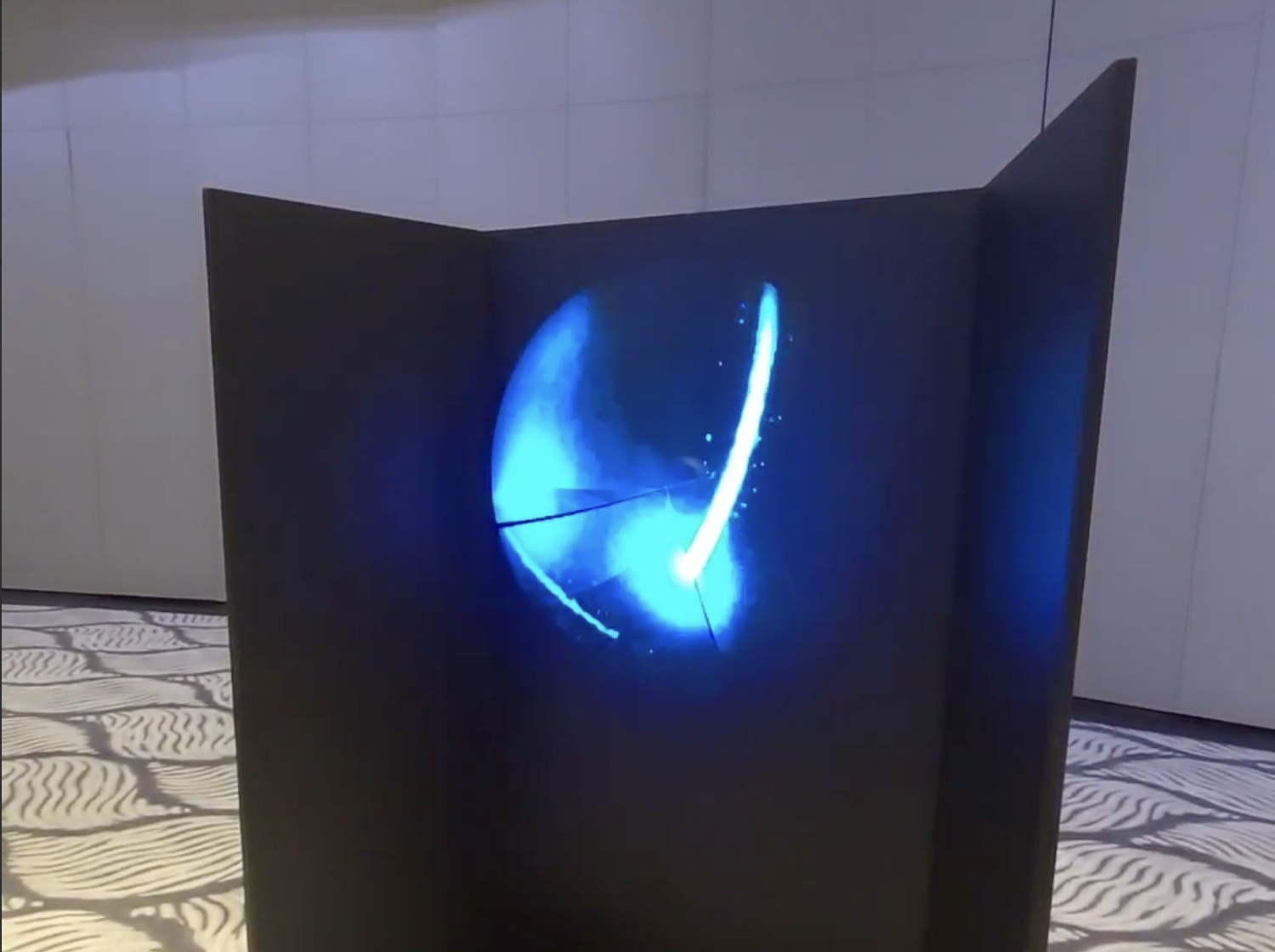
We use holographic display units, hologram fans, transparent displays, illusion-based showcases, product plinths, 3D content, motion graphics and interactive controls to create futuristic visual moments that stop visitors and make them look twice.
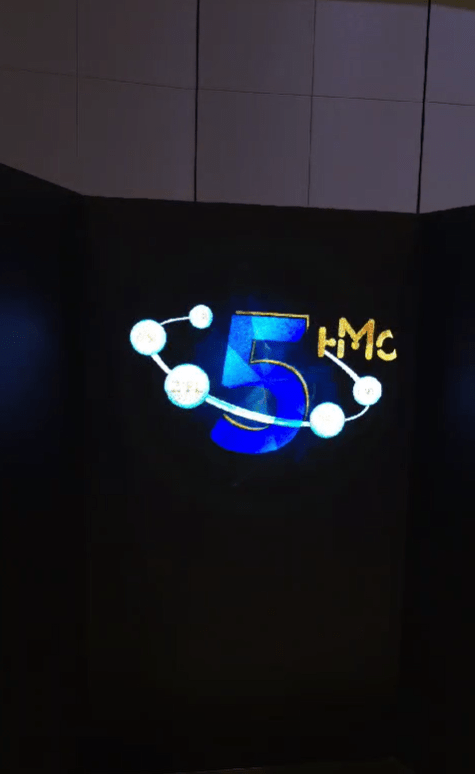
Holographic displays are visual installations that create a floating, 3D-like or hologram-style effect for products, characters, logos, data, stories or brand visuals. They can use hologram fans, transparent screens, projection illusions, Pepper Ghost-style displays, 3D product animations or display boxes. They are used in exhibitions, retail, museums, product launches and events to attract attention, explain complex ideas, create premium perception and deliver high-impact visual storytelling.
Do you need a display that makes visitors stop before they know the full story?
PearlQuest helps brands and venues use holographic displays to present products, characters, stories and technical ideas in a striking, future-facing format.
Use floating visuals, 3D motion, transparent effects and futuristic display formats to stop visitors in busy environments.
Reveal product layers, internal systems, features, data, transformations or invisible processes through 3D-like storytelling.
Make launches, booths, showrooms and museum exhibits feel more advanced, sophisticated and experience-led.
Eye-catching fan-based 3D visuals for logos, products, characters, icons and event attention points.
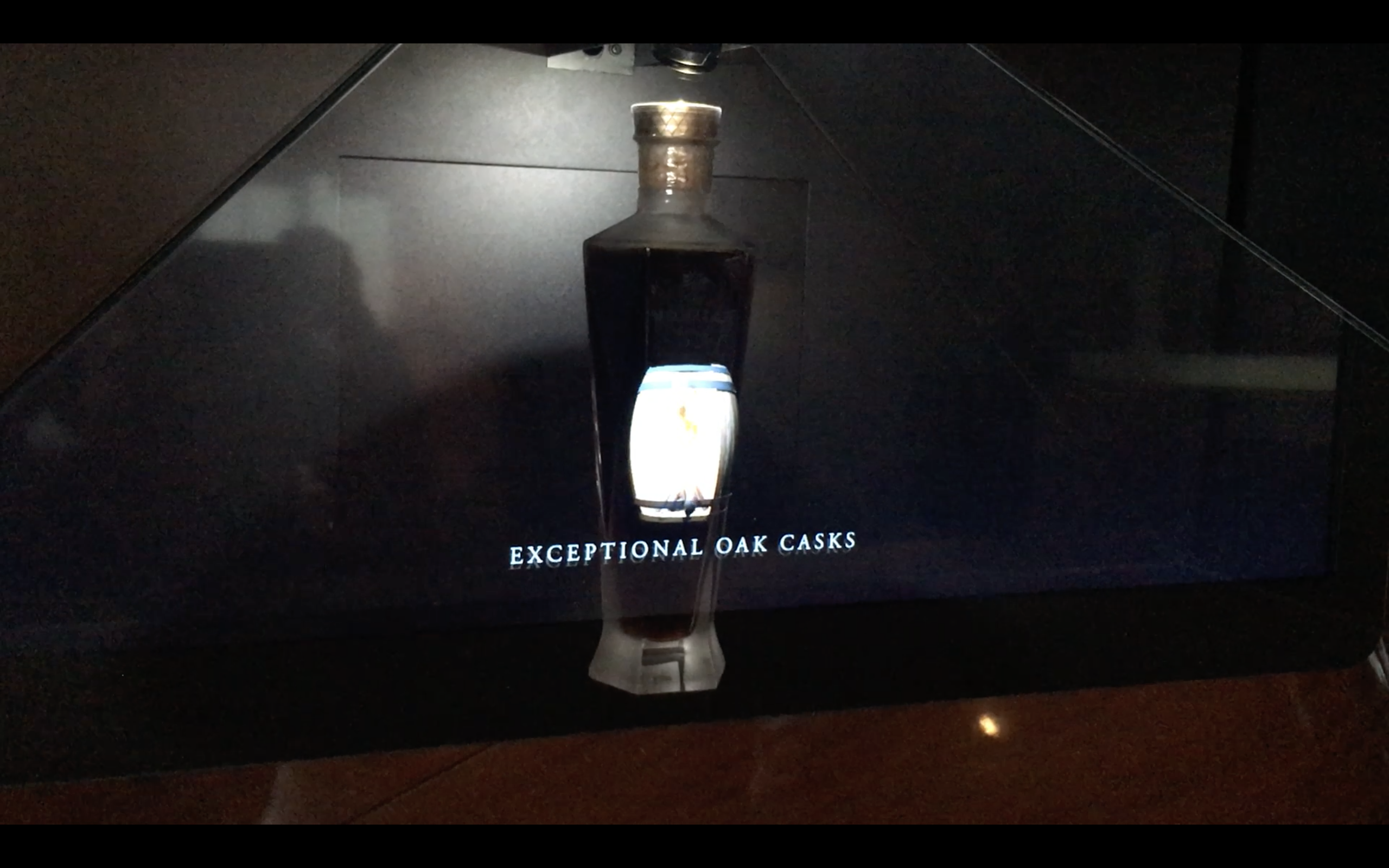
Display boxes or plinths that combine physical products with floating visual layers, animations or feature callouts.
Screens or transparent visual layers used for product storytelling, retail displays and futuristic interfaces.
Illusion-based display formats that create ghosted, floating or layered visual effects for premium storytelling.
Add touch, buttons, sensors or kiosk controls so visitors can change content, rotate views or explore product features.
Use holographic-style visuals to explain science, heritage, technology, anatomy, engineering, products or abstract concepts.
Captivate Event Audiences with Custom 3D Holographic Displays Standard event displays often fail to grab attendee attention...
Elevating Luxury Branding Through High-Altitude 3D Holographic Displays Standing on the 122nd floor of the Burj Khalifa, your...
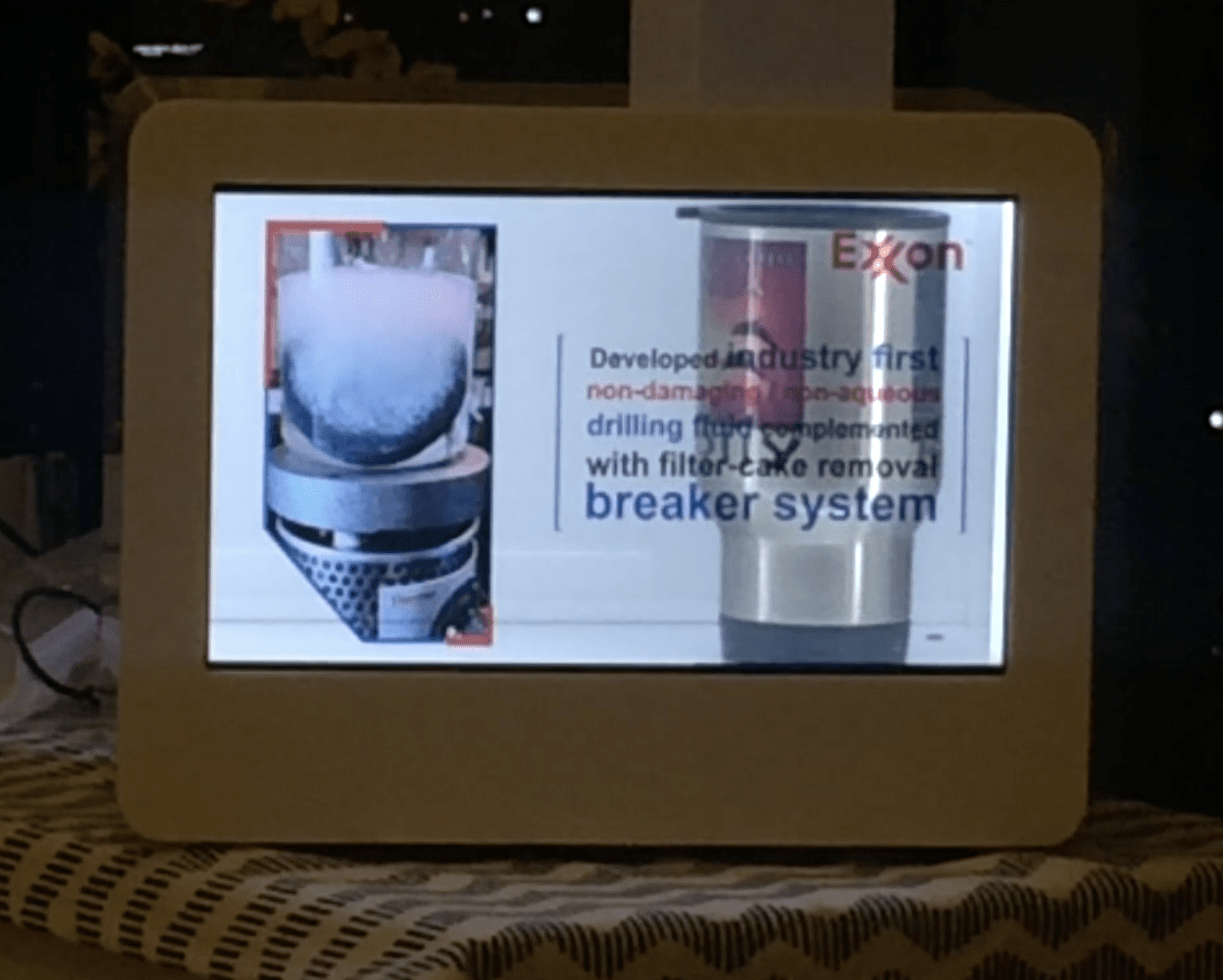
Merging physical products with digital narratives through interactive holographic technology. ExxonMobil needed a way to bridge the gap...
Holographic displays work because they break the expected screen format.
Most visitors are used to seeing videos on LED screens and monitors. A holographic-style display interrupts that pattern. It suggests depth, floating presence and futuristic value, making the visitor more likely to stop and ask what they are looking at.
This makes holographic displays useful when the goal is premium attention. A product, mechanism, logo, character or concept can be presented as a visual object in space rather than just a video on a wall.
We select the display format based on what must be shown, where visitors will stand, how bright the venue is and whether the experience needs interaction.
Hologram fans, transparent screens, projection illusion setups, display boxes, product plinths and custom enclosures.
3D product animation, logo motion, layered graphics, product feature callouts, data visuals and looped show content.
Touchscreen controls, buttons, proximity triggers, content selection, product comparison modes and kiosk-based navigation.
We understand the venue, audience, content, operational flow, brand requirements, data needs, hardware constraints and success metrics.
We map the user journey, screen flow, information architecture, interaction logic, visual direction and conversion points.
We define displays, kiosks, sensors, CMS, content workflows, integrations, enclosures and installation requirements.
We create the software, integrate hardware, configure CMS logic, connect data flows and prepare deployment builds.
We test usability, content behaviour, hardware reliability, performance, offline scenarios and real-world visitor interaction.
We support installation, setup, handover and operation based on the project environment and scope.
PearlQuest combines user experience strategy, interface design, software planning, hardware coordination, outsourced development management, QA/QC and event/venue deployment understanding.
We design for real users in public spaces, not just internal stakeholders reviewing screens in a meeting.
We consider screens, enclosures, sensors, connectivity, installation conditions and maintenance realities early.
We focus on testing, operational flow, content control, support needs and the practical realities of live visitor environments.
A holographic display is a visual installation that creates a floating, 3D-like or hologram-style effect using display hardware, projection illusions, transparent screens or 3D visual content.
Many commercial event solutions are holographic-style displays or optical illusion systems rather than scientific holograms. PearlQuest helps choose the right format based on the required effect, venue and budget.
Yes. Touchscreens, buttons, proximity sensors or kiosk controls can allow visitors to change content, explore features or trigger different animations.
Yes. Product showcases can combine a real product with floating visual layers, feature callouts, animations or transparent display effects.
They work well in product launches, exhibitions, retail stores, museums, innovation centres, government pavilions and premium event spaces.
PearlQuest can support content direction, technical planning, display selection, integration, testing and deployment depending on project scope.
Tell us what you want to showcase and where it will be displayed. PearlQuest will help choose the right holographic-style format, content approach and interaction layer.