Make visitors inspect details
Use puzzles to make audiences notice products, messages, features, visual differences, hidden clues and campaign assets.

PearlQuest creates puzzle and discovery games for brand activations, exhibitions, museums, retail campaigns, public events and reward-led engagement.
We build memory games, jigsaws, hidden object hunts, sort-and-drag challenges, maze games, join-the-dots, spot-the-difference, scratch-and-reveal, magnifier hunts and rotate-and-align puzzles for high-recall visitor engagement.
Puzzle and discovery games are interactive brand engagement experiences where visitors solve, find, match, reveal, sort, connect or complete something to score points, unlock rewards or understand a message. They are used by brands, museums, malls, exhibitions and agencies to increase dwell time, product discovery, attention to detail, recall, lead capture and repeat participation.
Do you need people to spend more time with your product, campaign or story?
PearlQuest designs and develops puzzle and discovery games that make visitors look, think, solve, reveal and interact with brand or educational content.
Use puzzles to make audiences notice products, messages, features, visual differences, hidden clues and campaign assets.
Create low-friction games that are easy to understand, quick to play and satisfying to complete.
Connect puzzle completion with rewards, leaderboard scores, raffle entries, data capture or campaign journeys.
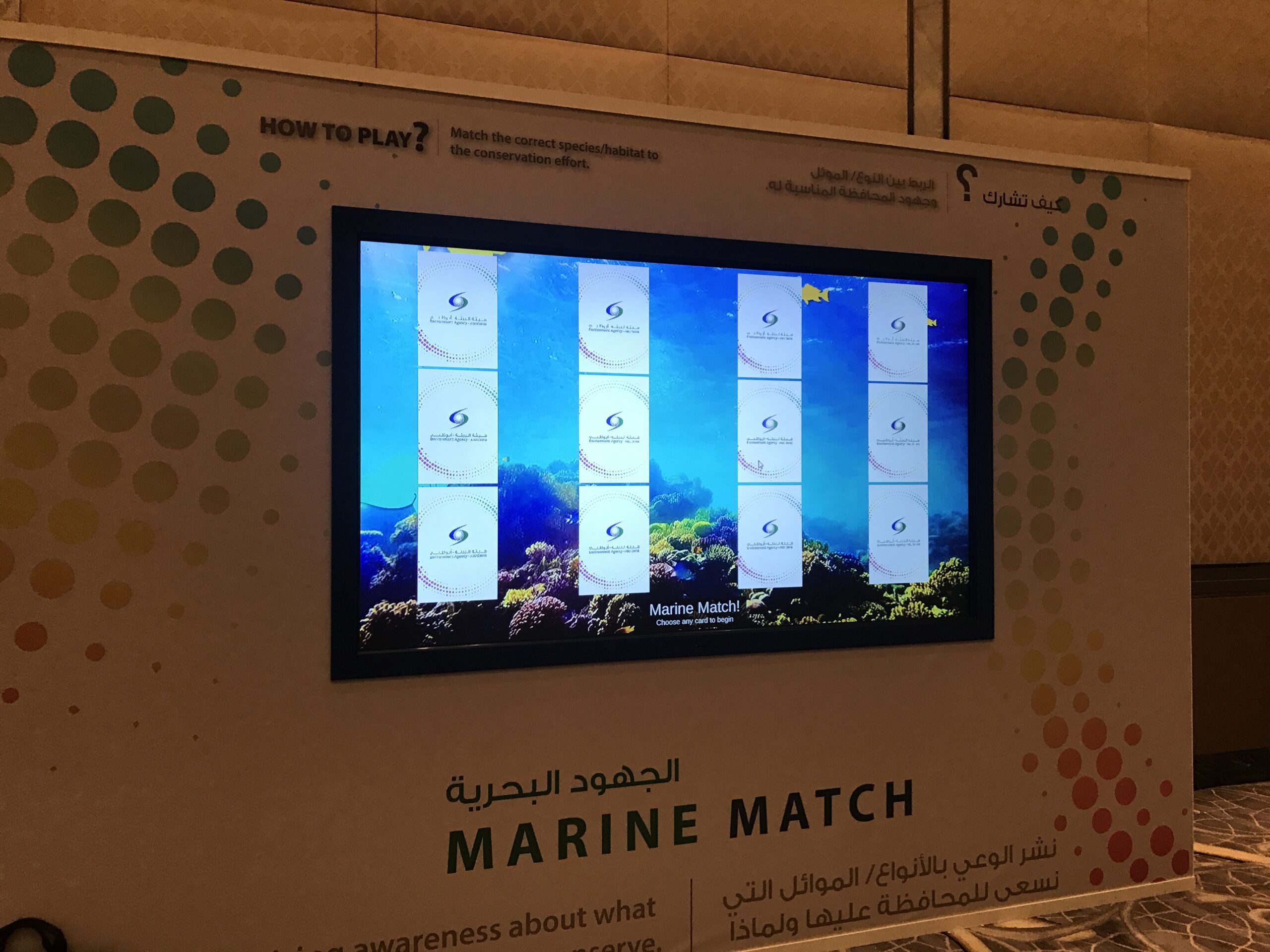
Visitors match branded cards, product pairs, icons, messages or campaign visuals under time pressure.
Users complete product images, campaign visuals, mascots, destinations or exhibit imagery piece by piece.
Players search for products, icons, clues, mascots or messages inside a branded scene.
Users classify, arrange, pack, sort or match items based on categories, benefits, ingredients or campaign logic.
Visitors guide a character, product, route, delivery or message through a branded maze or journey.
Scratch-and-reveal, join-the-dots, spot-the-difference, magnifier hunt and rotate-and-align puzzles.
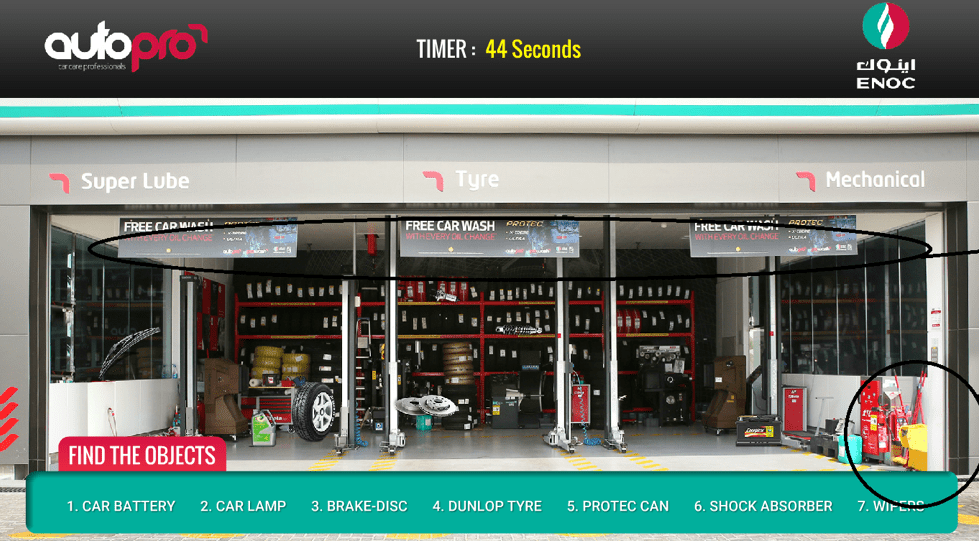
How ENOC AutoPro boosted brand awareness and dwell time with a custom hidden object discovery game. Transform standard...
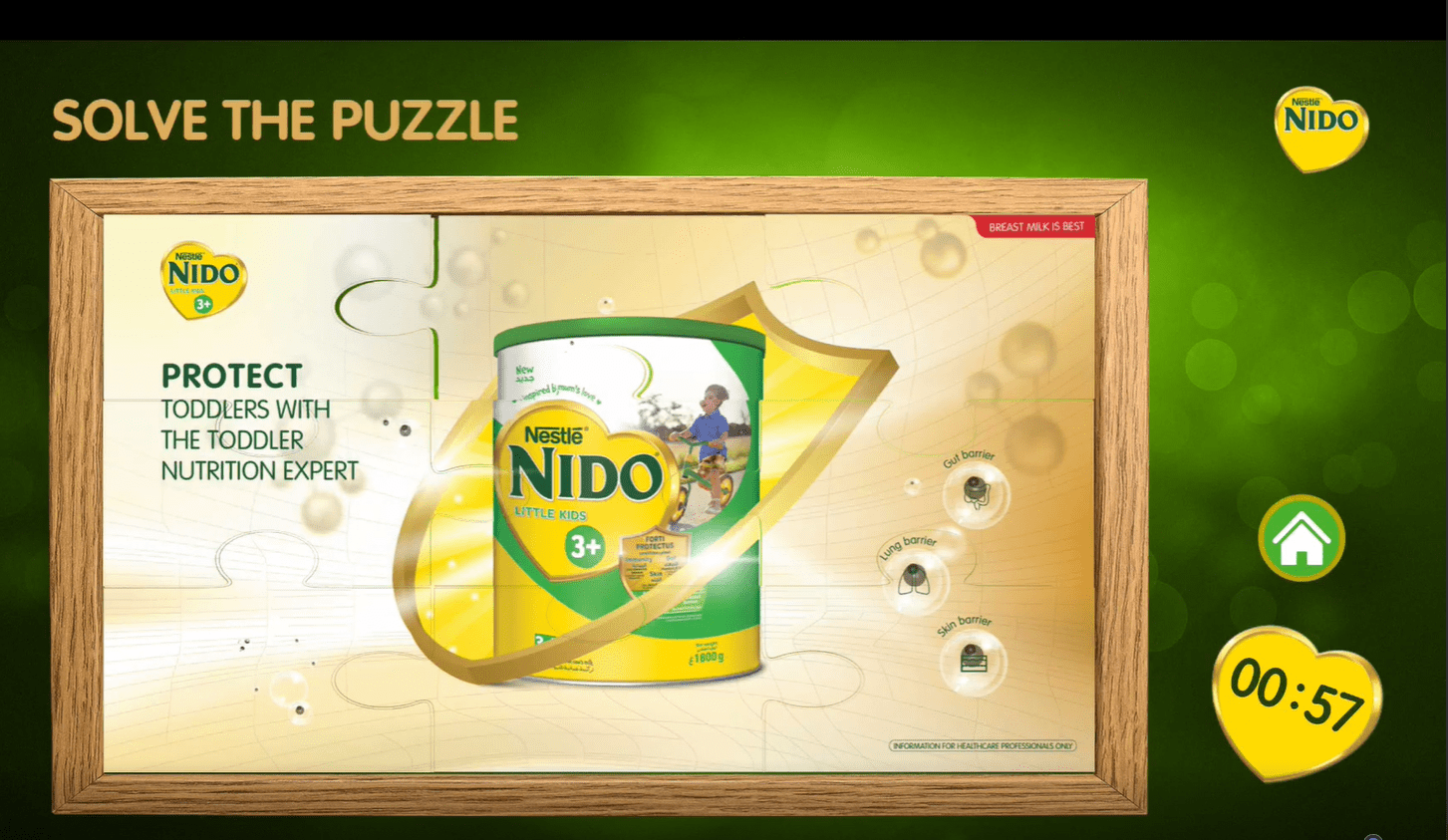
How Nestlé Nido captivated event attendees with custom touchscreen puzzle games and real-time leaderboards. Transform your next activation...
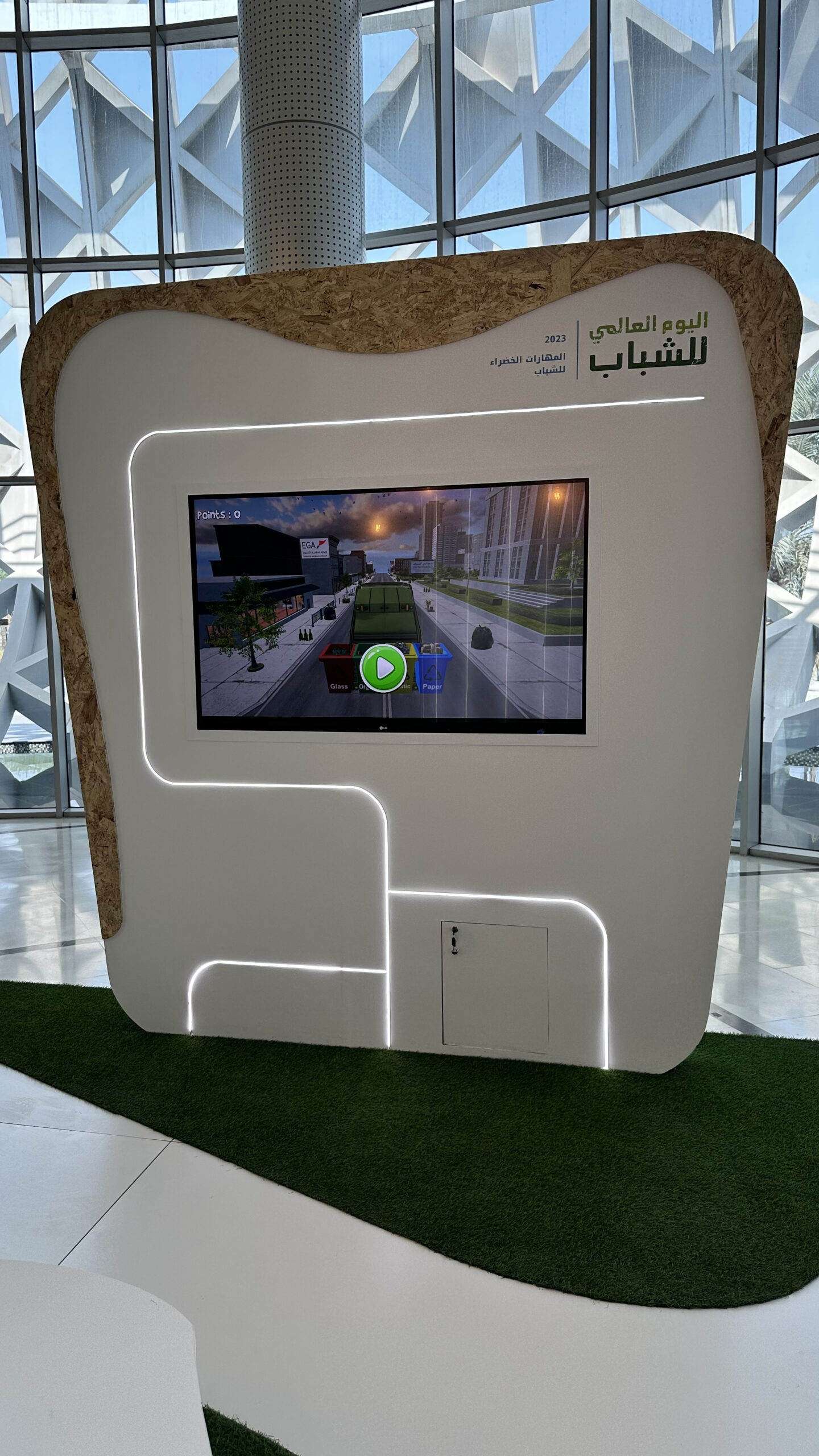
Driving Environmental Awareness Through Interactive Puzzle & Discovery Gamification You need interactive experiences that turn complex sustainability messaging...
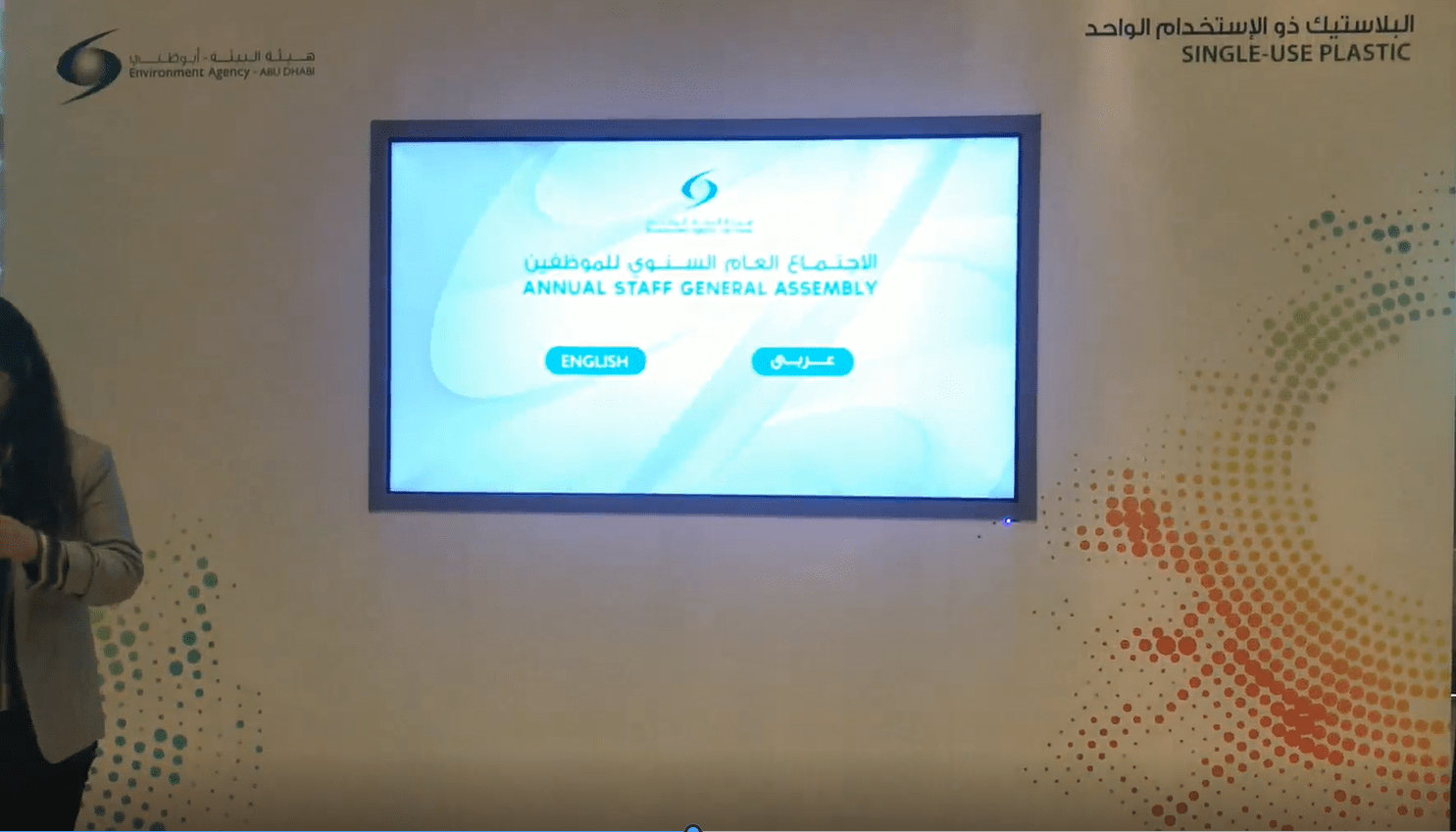
How PearlQuest helped Environment Agency Abu Dhabi captivate employees through an interactive single-use plastic discovery game. Transform corporate...
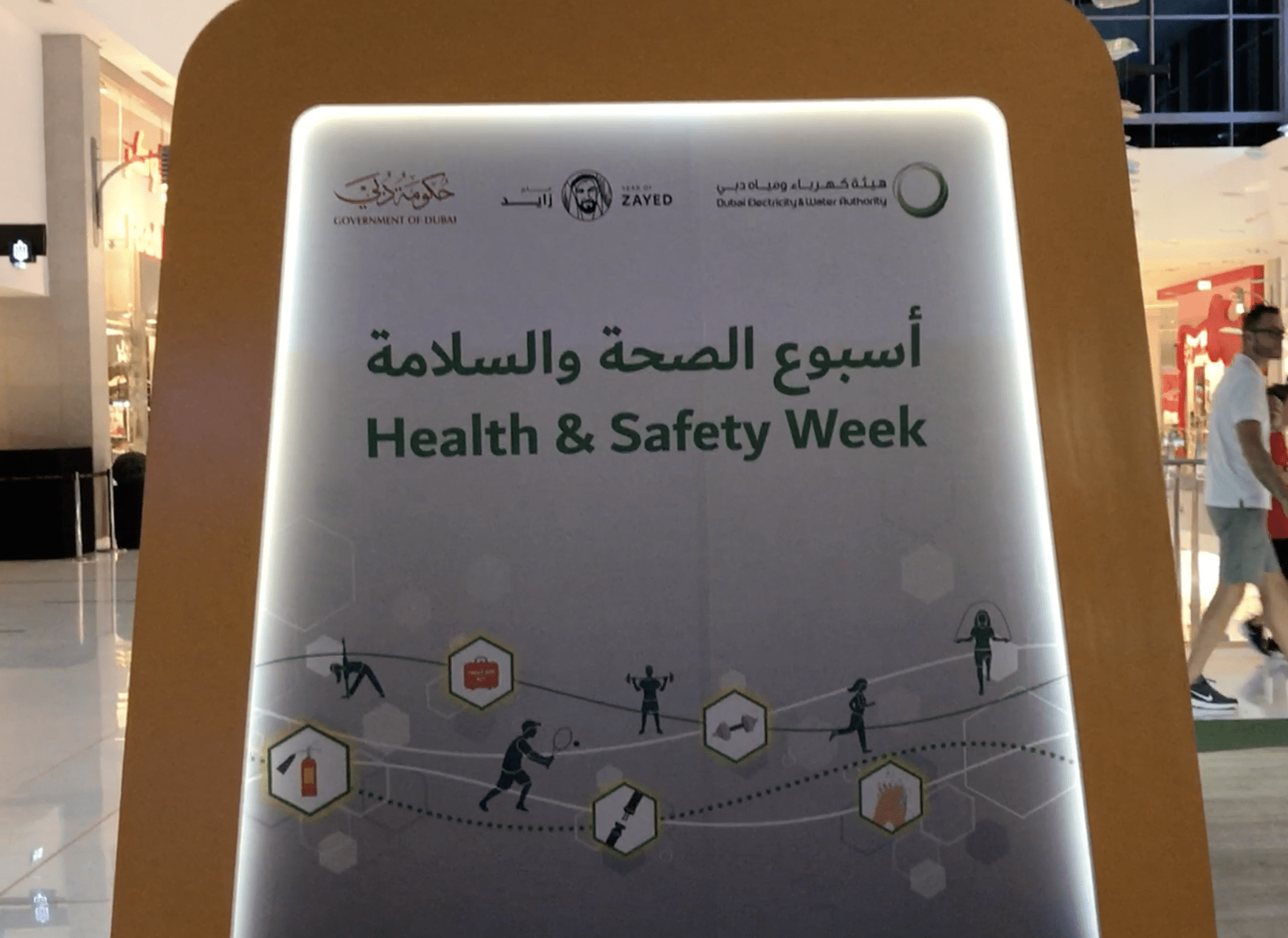
How PearlQuest transformed DEWA’s Health & Safety Week using gamified brand engagement and interactive puzzle mechanics. Captivate your...
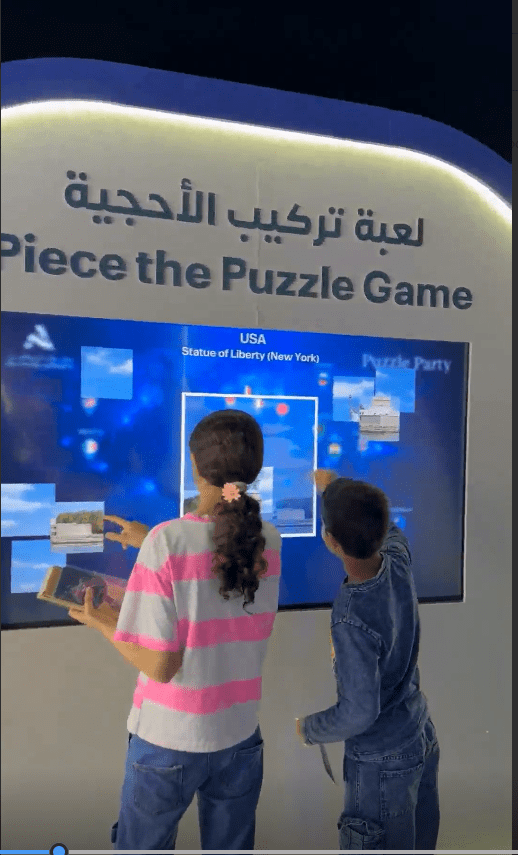
Captivate event visitors and boost foot traffic with interactive puzzle games built for global audiences. Transform your trade...
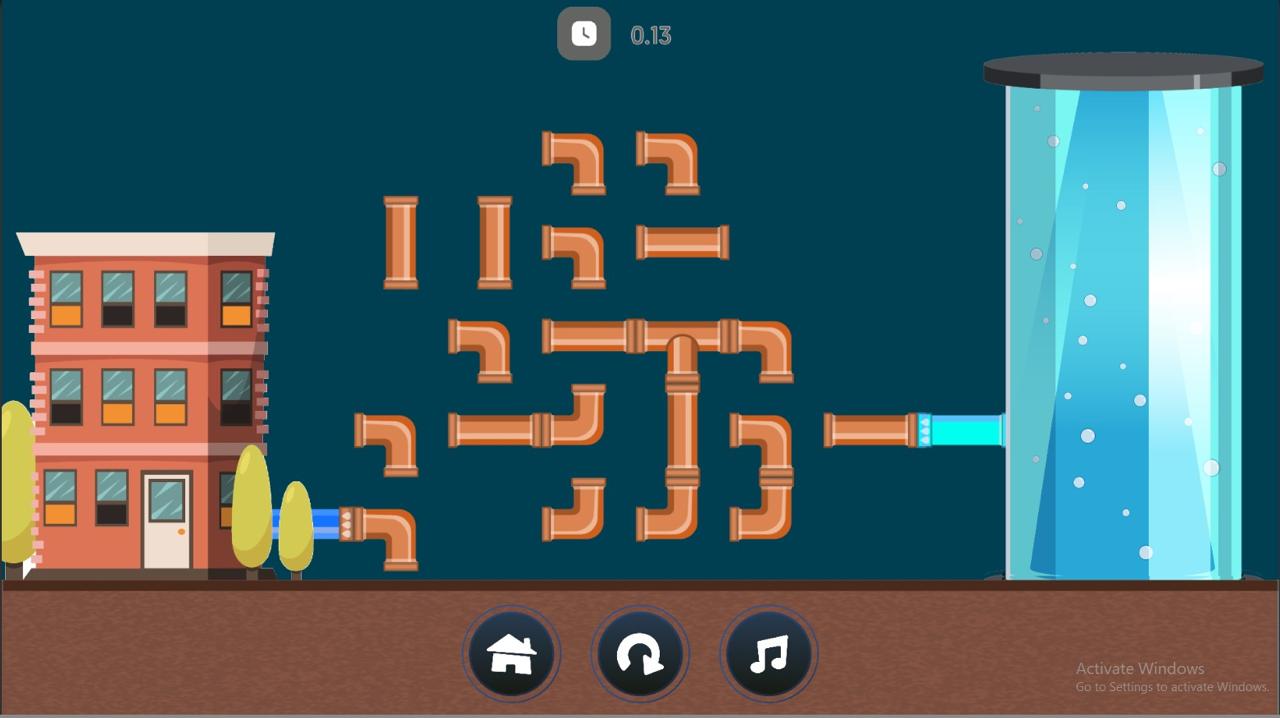
How dynamic touchscreen puzzle mechanics boosted attendee dwell time and drove high engagement for GF Cory. Transform your...
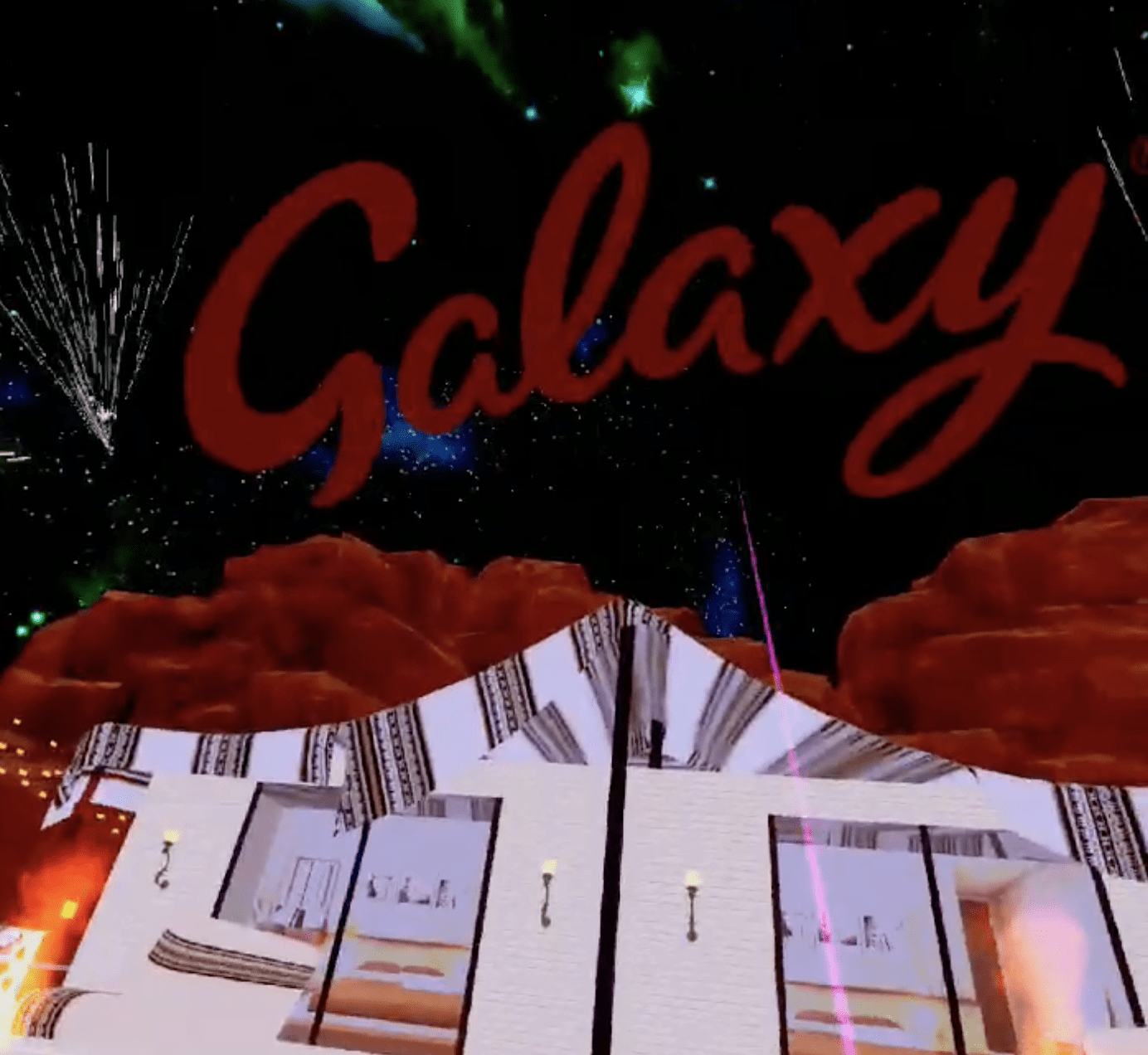
How we captivated audiences with a starlit puzzle in the Al Ula desert. Step right into the breathtaking...
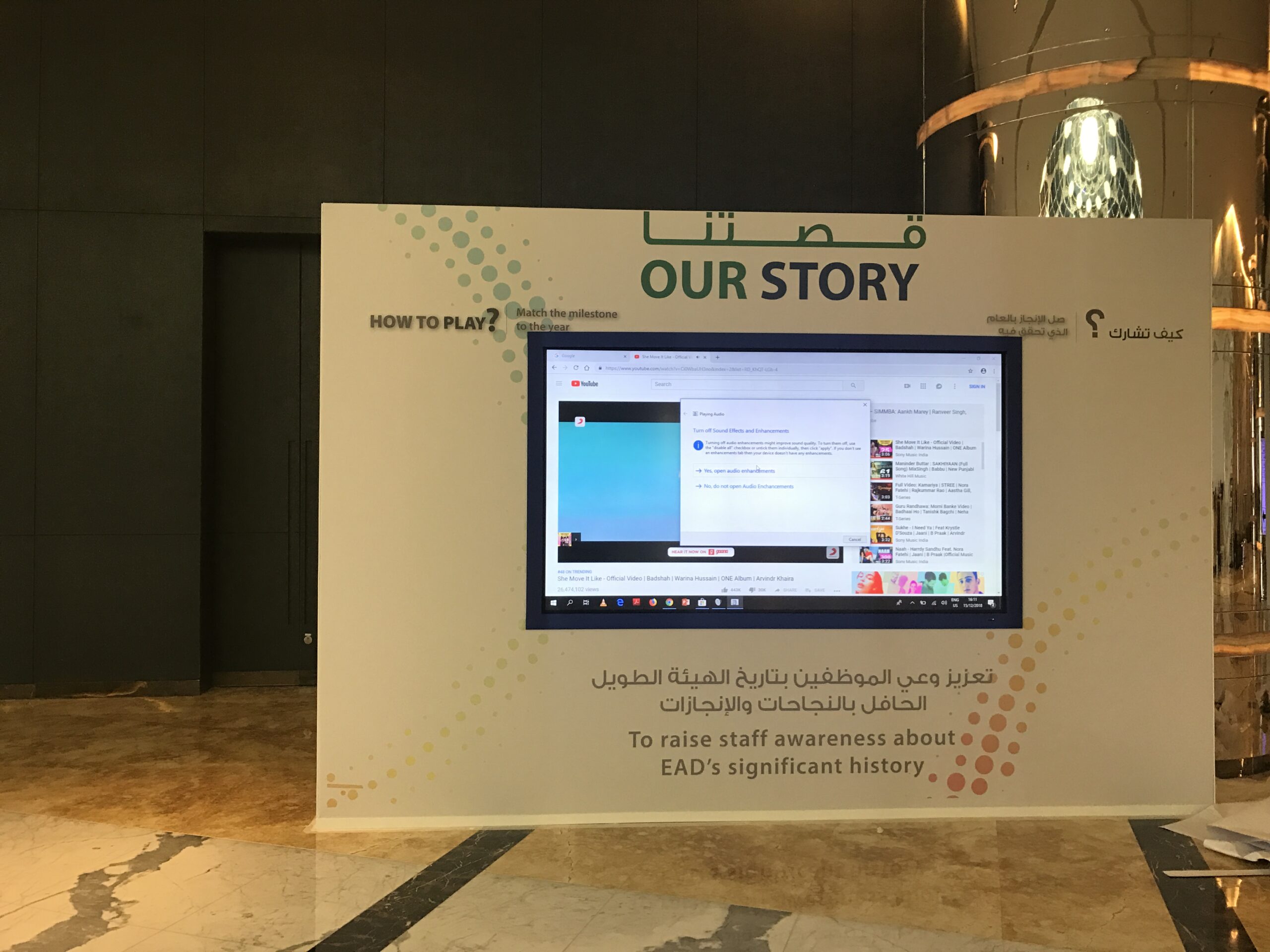
Transforming corporate milestones into an engaging discovery game for employees. The Environment Agency – Abu Dhabi (EAD) needed...
Puzzle games work because they make people actively search for meaning.
When visitors solve a puzzle, they spend more time with the brand asset. They look at the product, image, message or scene repeatedly. This creates stronger recognition than passive viewing.
Puzzle formats are also highly flexible. A product launch, museum exhibit, retail campaign, destination promotion or public awareness message can all become a game with the right visual treatment and reward mechanic.
We choose the game mechanic based on whether the goal is product recognition, message recall, education, reward unlocking, data capture or dwell time.
Touchscreens, tablets, kiosks, mobile web games, drag-and-drop interfaces, swipe gestures and interactive displays.
Timers, levels, hints, scoring, attempts, leaderboard systems, unlock rules, CMS-driven content and data capture.
Win screens, coupons, raffle entries, branded animations, result pages, shareable moments and post-game CTAs.
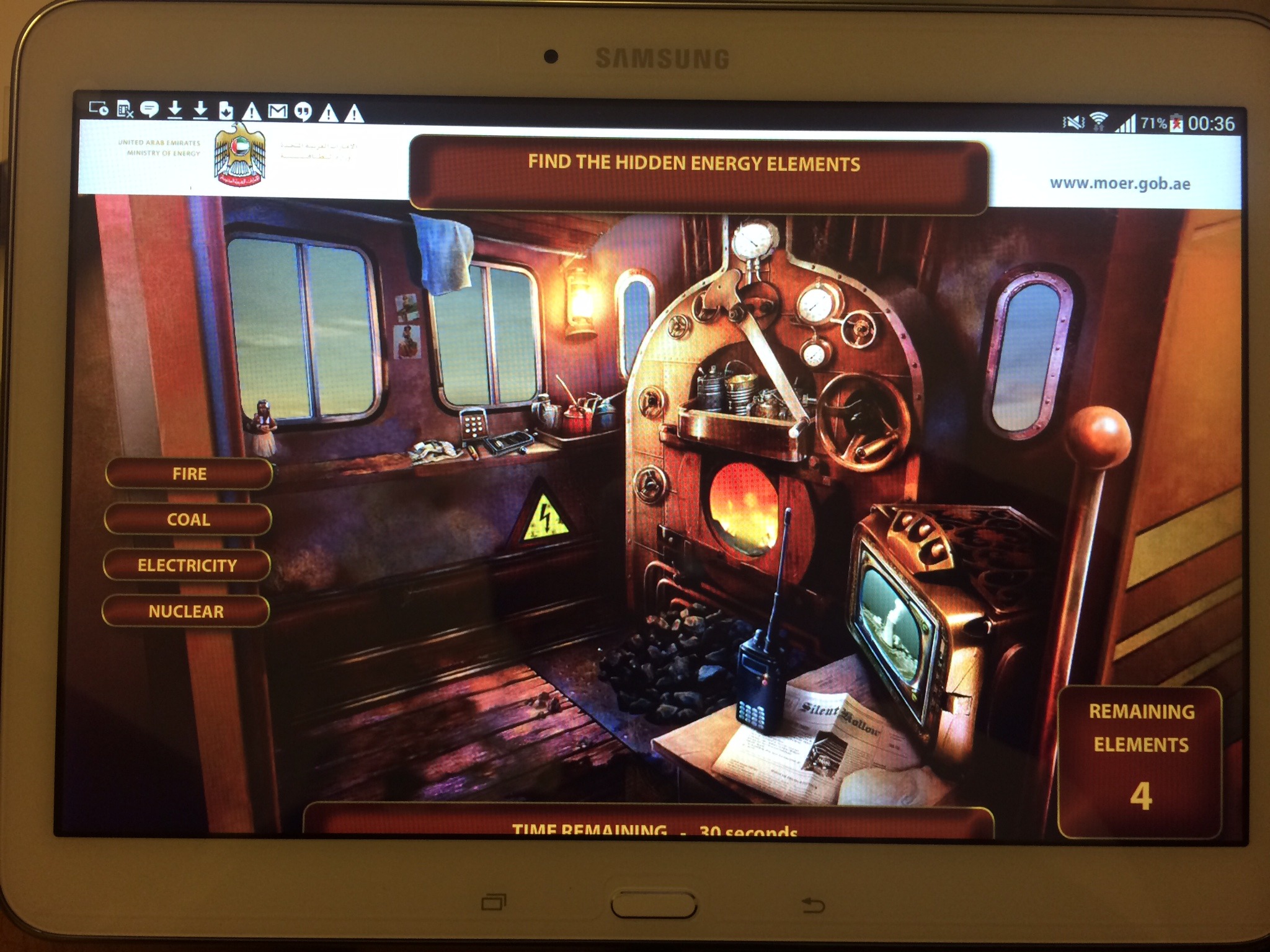
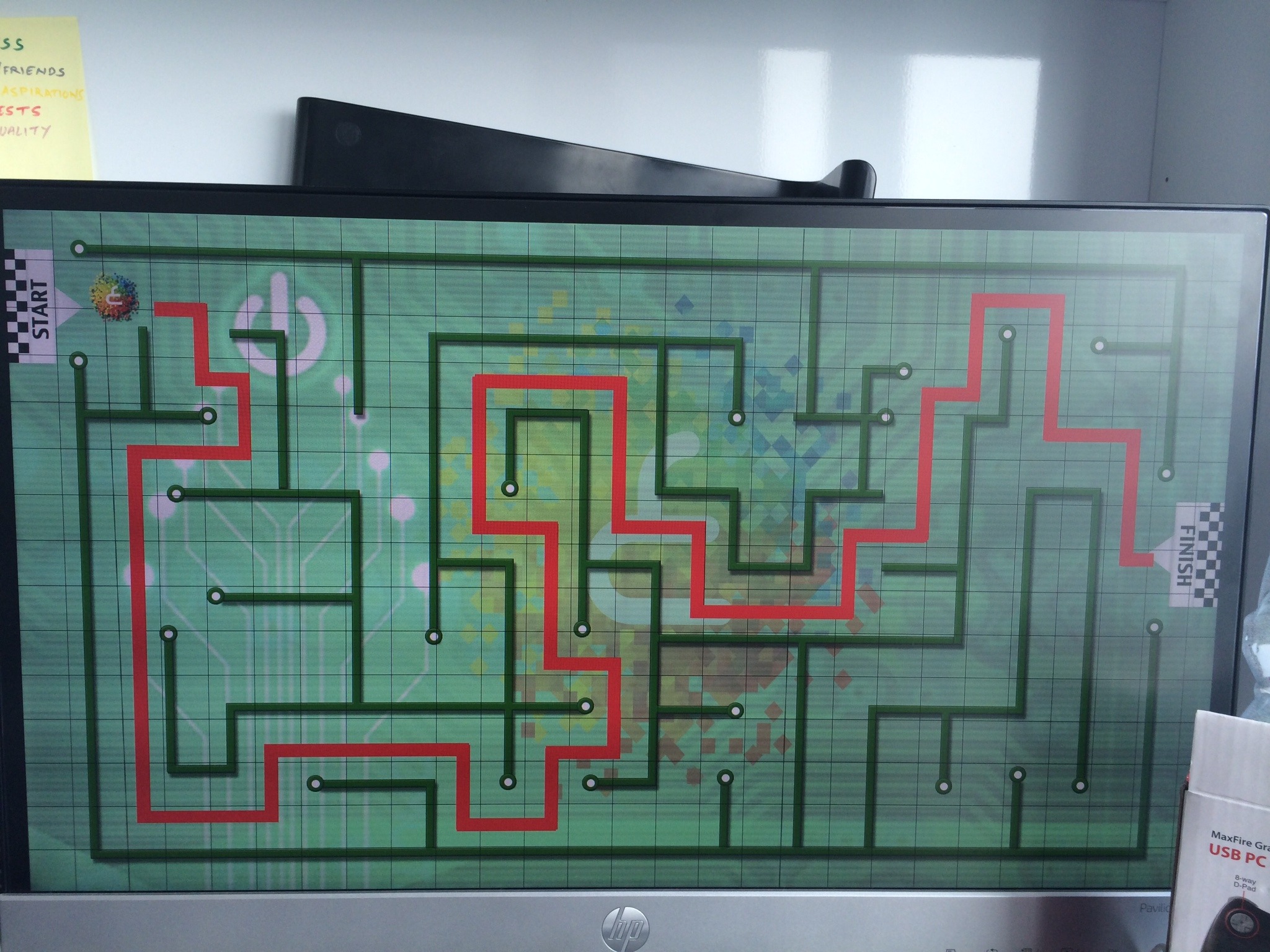
We understand the audience, brand, campaign goal, event space, flow, reward mechanic, data needs and technical constraints.
We define the player action, scoring logic, user journey, visual direction, instructions, win states and lead-capture flow.
For complex games, we can create wireframes, mockups, interaction tests or proof-of-concept builds before full production.
We develop the software and integrate hardware, sensors, screens, controllers, APIs, leaderboards or CMS tools as required.
We test usability, scoring, edge cases, performance, hardware reliability, content behaviour and live-event readiness.
We support deployment, setup, handover and event operation based on project scope and activation requirements.
PearlQuest combines game thinking, experience strategy, software development, hardware integration, event deployment understanding and QA/QC to build activations that are fun, reliable and lead-focused.
We shape the challenge around audience behaviour, not just visual novelty, so people understand it quickly and want to try.
We match the game mechanic to the product, message, campaign goal, audience energy and physical event space.
We plan for live conditions: queues, repeat play, hardware stress, scoring clarity, operator flow and post-game conversion.
They are interactive games where visitors solve, find, match, reveal, sort, connect or complete a visual or logic-based challenge.
Yes. Puzzle games can be themed around products, mascots, campaign visuals, destinations, store shelves, museum content or public messages.
Yes. Puzzle completion can unlock rewards, raffle entries, coupons, leaderboard placement or registration flows.
Memory cards, jigsaw puzzles, scratch-and-reveal, spot-the-difference and sort-and-drag games are usually strong ready-to-deploy formats.
Yes. Many puzzle games can run on touchscreens, tablets, kiosks, mobile web pages or event displays.
Yes. PearlQuest can recommend the format based on your content, audience, space, timeline and campaign goal.
Tell us what you want visitors to discover, remember or unlock. PearlQuest will help shape the right puzzle game and interaction flow.