Narrative-led VR journeys
Create immersive stories where users move through scenes, environments, choices, voiceovers, characters or guided moments.

PearlQuest creates storytelling VR experiences that place users inside a scenario, narrative, product world, cultural story, safety journey or branded immersive environment.
We combine 3D environments, Unity, Unreal Engine, VR headsets, spatial audio, interaction design, branching narratives and scenario-based content to help audiences experience a story instead of only watching it.
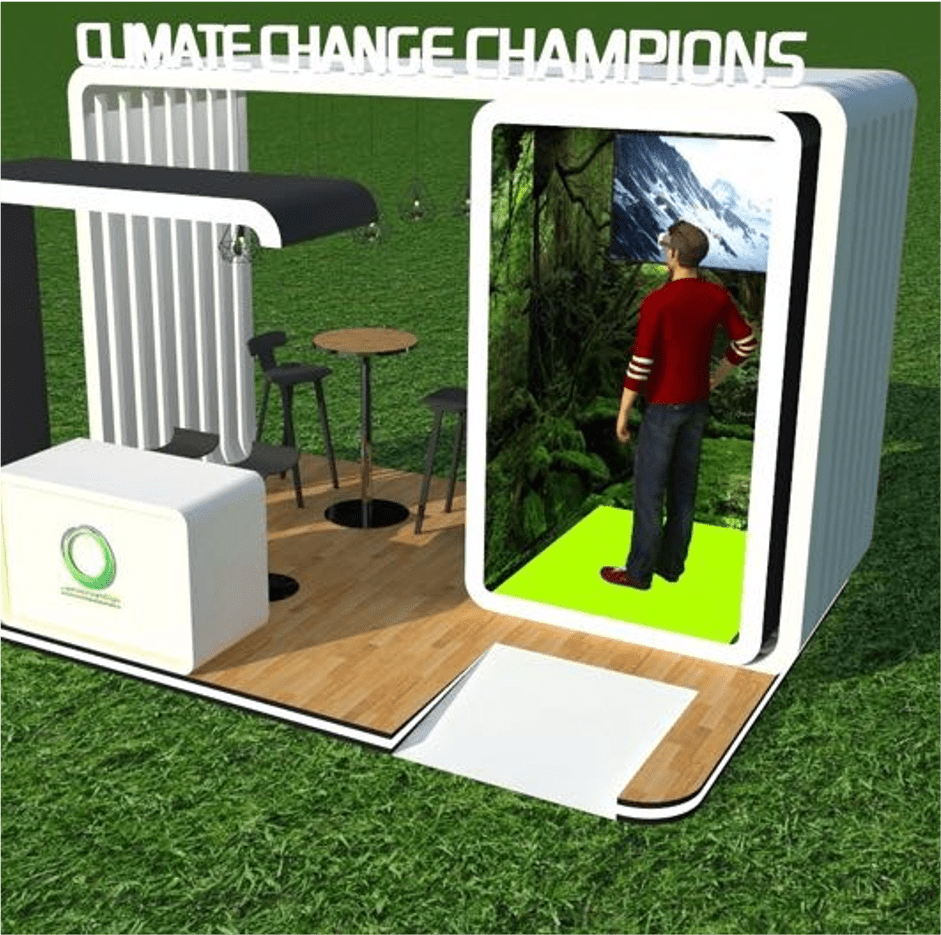
Storytelling VR experiences are immersive virtual reality journeys where users enter a 3D environment and experience a narrative, scenario, product story, cultural theme, training situation or branded world through interaction. They are used by brands, museums, training teams, exhibitions, government entities and events to create deeper understanding, emotional engagement, recall and experiential learning.
Is your current presentation, video or booth experience failing to create deep understanding?
PearlQuest designs and develops storytelling VR experiences for training, product explanation, cultural interpretation, brand storytelling, safety awareness, exhibitions and immersive showcases.
Create immersive stories where users move through scenes, environments, choices, voiceovers, characters or guided moments.
Use VR to place users inside safety procedures, product contexts, operational situations, future environments or simulated challenges.
Turn complex messages into embodied experiences that audiences can see, hear, interact with and remember.
Let audiences step inside a brand world, campaign story, future vision or product universe.
Create controlled scenarios for procedure training, hazard recognition, emergency response or operational awareness.
Bring historical, cultural, educational or scientific stories to life through immersive 3D environments.
Show products, systems, facilities or technologies in a way that is more memorable than slides or videos.
Create premium booth experiences that attract visitors and communicate complex ideas quickly.
Build guided or interactive situations where users make choices, observe consequences and learn through experience.
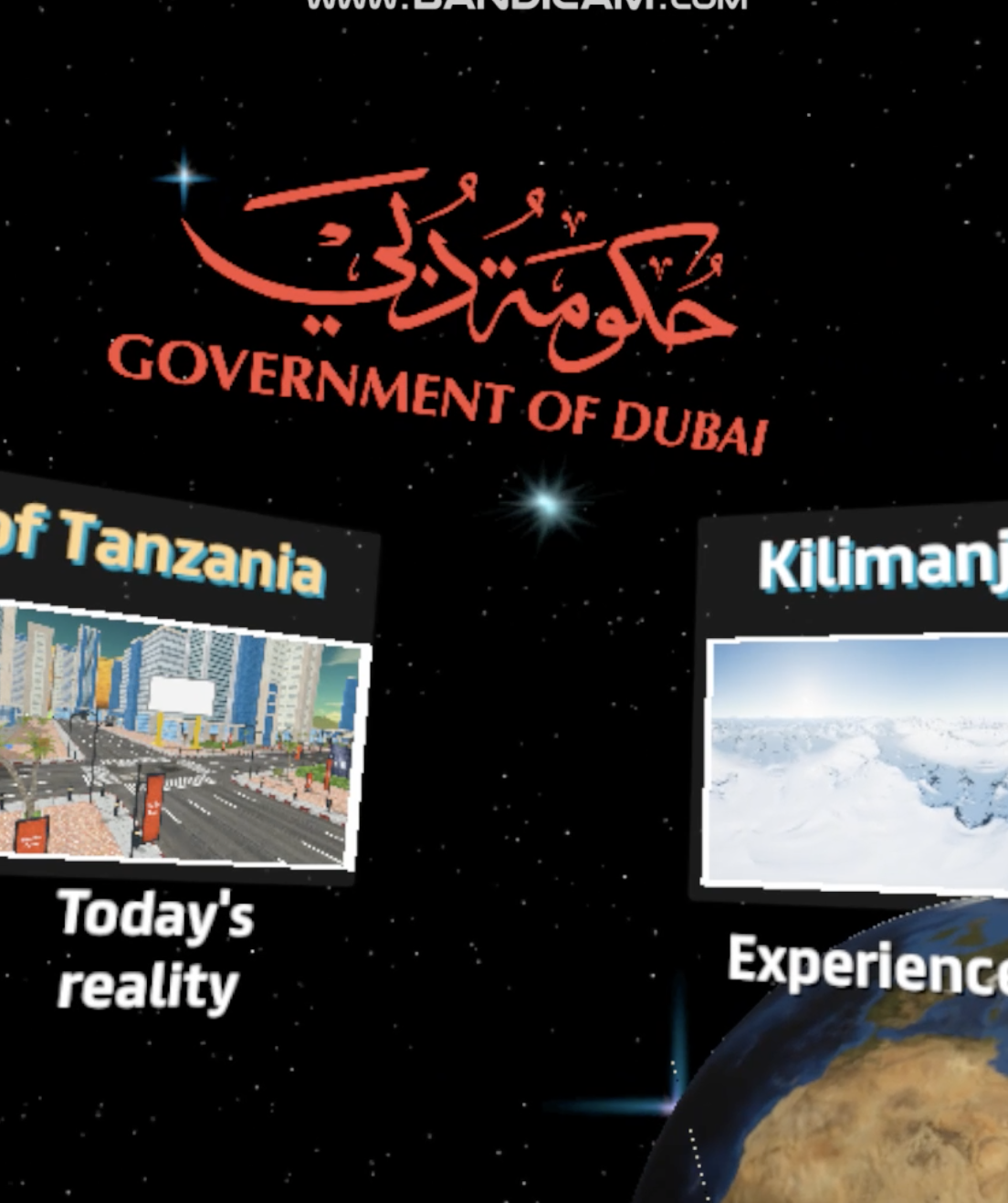
How PearlQuest used interactive virtual environments to turn environmental corporate initiatives into an immersive employee journey. DEWA swapped...
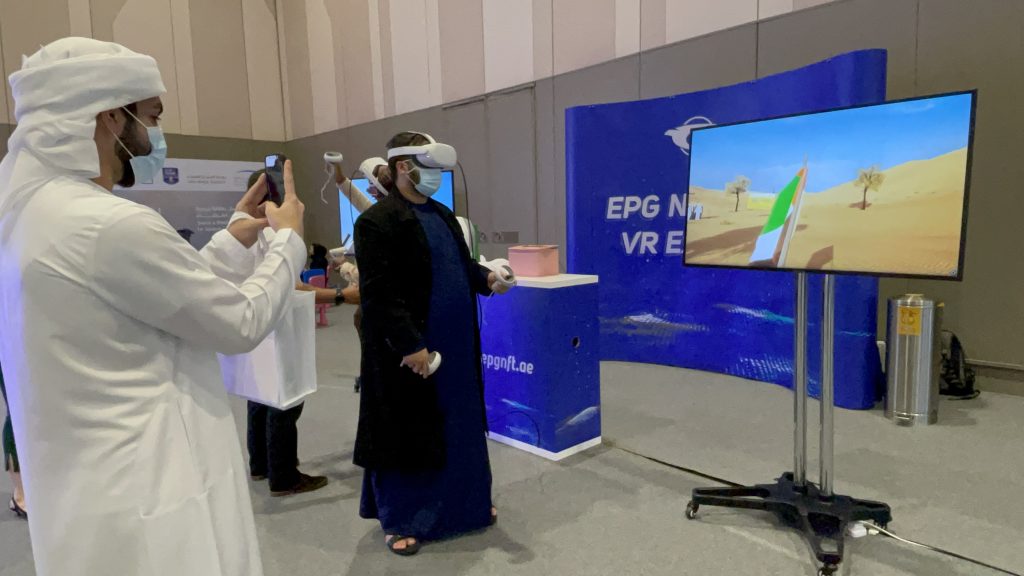
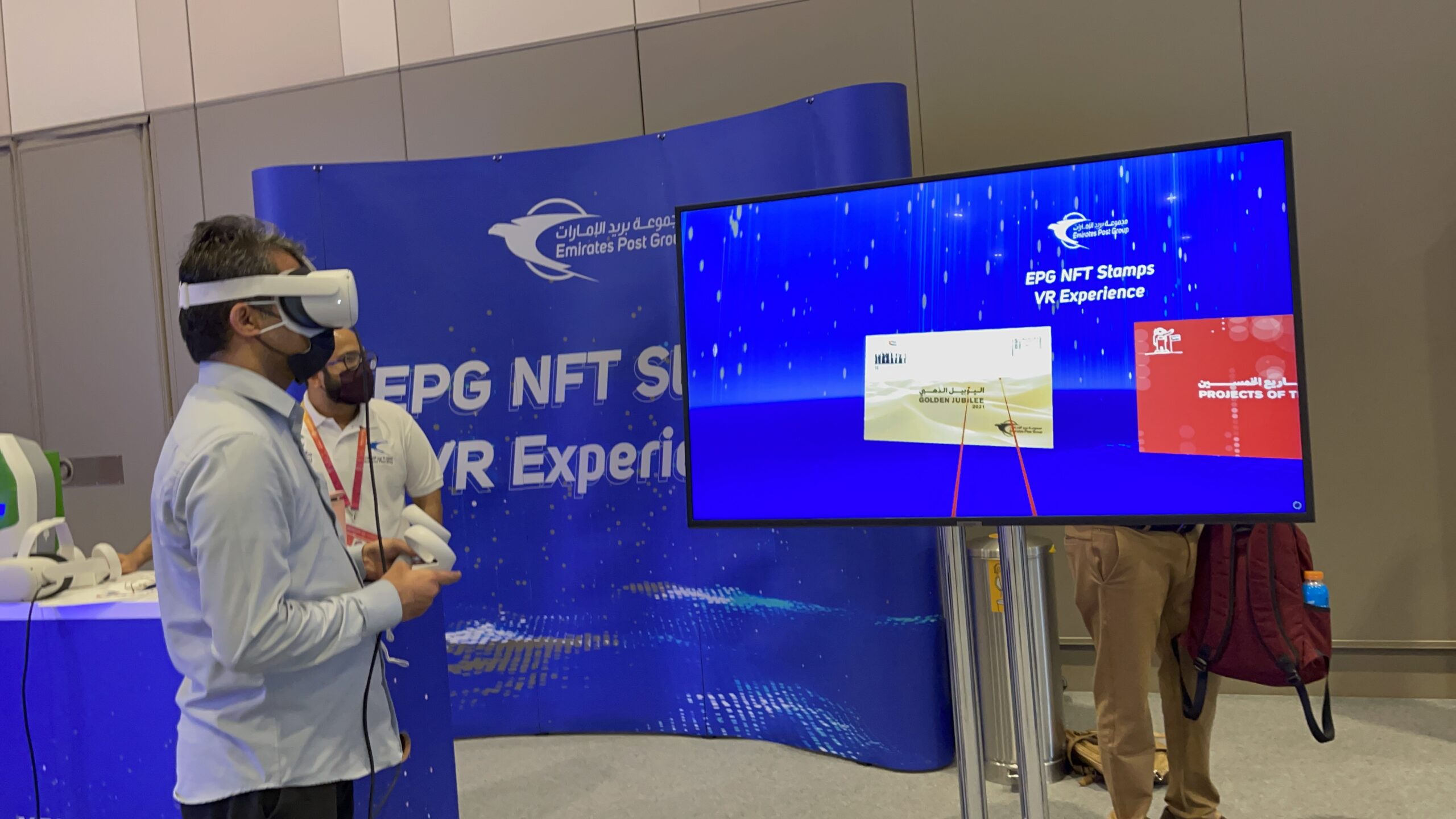
PearlQuest crafts immersive Storytelling VR Experiences for the Emirates 2022 World Stamp Exhibition At the prestigious Emirates...
A video can show what happened. VR can make users feel like they are there.
Storytelling VR is powerful when the subject needs depth, presence or context. It helps users understand scale, sequence, environment, risk, product behaviour or emotional atmosphere by placing them inside the experience.
For training, this can make learning more memorable. For museums, it can bring hidden worlds or past environments closer. For brands, it can transform a message into a premium immersive moment. For exhibitions, it can help explain complex ideas in minutes.
We decide whether the project needs guided viewing, interactive choices, 3D scenarios, spatial audio, hand controllers, gaze interaction, analytics or multi-user deployment.
VR headsets, hand controllers, gaze triggers, joystick navigation, scenario choices, hotspots and guided interaction.
Unity, Unreal Engine, 3D modelling, animation, branching scripts, scenario logic, spatial audio and performance optimization.
Standalone VR, tethered VR, event deployment, training setups, exhibition booths, guided demos and operator-managed experiences.
We study your objective, audience, location, event format, content requirements, technical constraints, timeline and budget.
We define what visitors will see, hear, touch, trigger and remember, then map the user journey and experience logic.
For complex installations, we can create wireframes, technical specifications, prototypes or proof-of-concept builds.
We develop the software and integrate AI tools, sensors, audio systems, visual displays, lighting or physical interfaces.
We test usability, performance, content behaviour, technical stability and real-world interaction flow before launch.
We support installation, deployment, event setup and live operation as required for the project environment.
PearlQuest brings together experience strategy, creative technology, user experience planning, development coordination, hardware/software integration and QA/QC.
We start with audience behaviour and campaign purpose, so the experience is meaningful, not just visually impressive.
We specify the right technology and integration approach before build, reducing risk and unnecessary complexity.
We manage development, integration, testing and QA/QC so the final installation can perform under live-event conditions.
It is a virtual reality journey where users enter a 3D environment and experience a story, scenario, training situation, product world or cultural theme through immersive interaction.
Yes. PearlQuest can design and develop custom VR environments, interaction flows, story scripts, 3D assets, training logic and deployment setups.
Yes. VR is useful for controlled safety training, hazard recognition, procedural learning, emergency response and scenario simulations.
Yes. VR can be deployed as a managed booth or activation experience with operators, headsets, screens for spectators and guided visitor flow.
Yes. Users can interact through controllers, gaze, hotspots, navigation, branching choices or scenario-based decision points.
Yes. PearlQuest can support concept, UX, 3D development, software build, QA, hardware setup and event deployment.
Tell us what you want your audience to understand, feel or learn. PearlQuest will help turn it into an immersive VR journey.