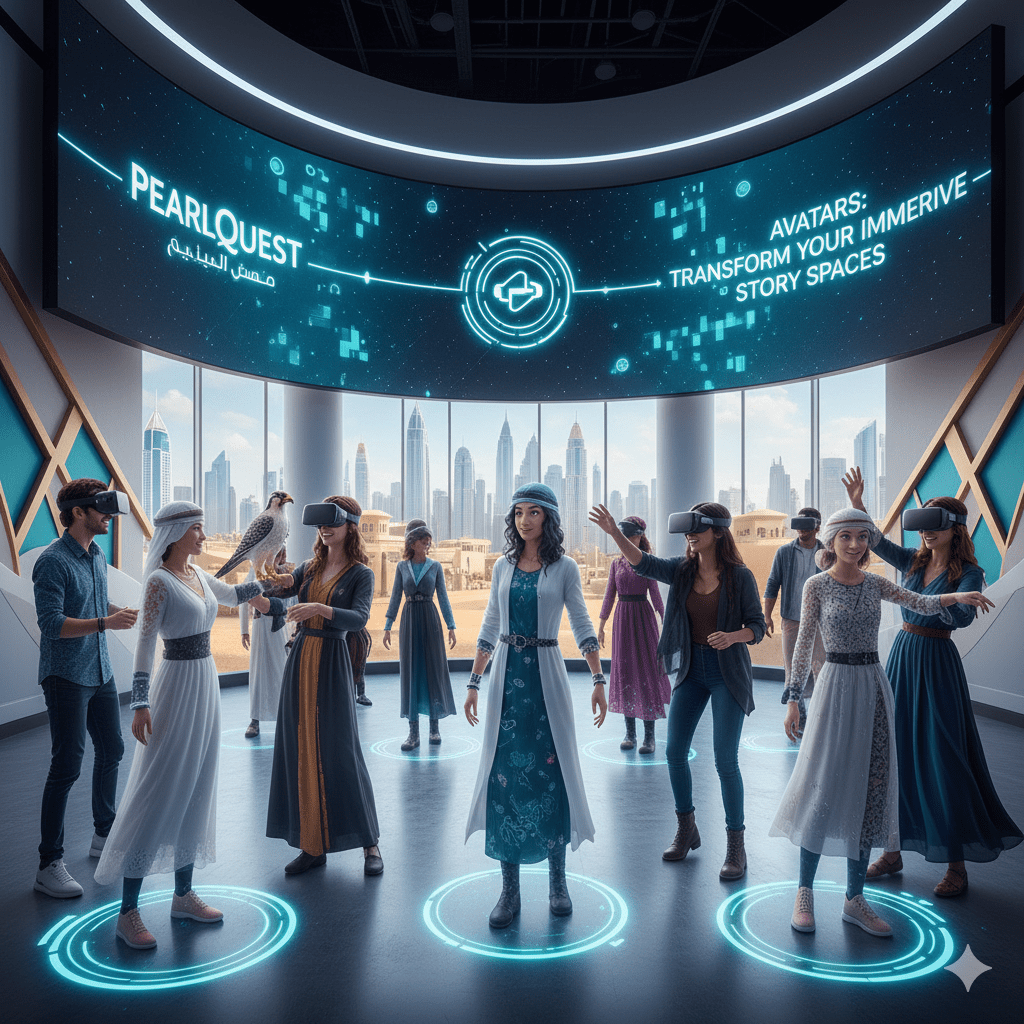
The world of marketing is evolving at warp speed. Just a few years ago, a static banner ad or a simple sign-up form was enough to capture a user’s attention. Today, the modern consumer, especially across dynamic markets like Dubai, Abu Dhabi, and emerging centers in Saudi Arabia, Qatar, and Kuwait, demands interaction, instant gratification, and a memorable experience. This is where the power of gamified brand engagements truly shines. These experiences—where the line between entertainment and marketing blurs—are no longer a novelty; they are a critical tool for agencies and brands aiming for high-impact connection.
But let’s be specific. We’re talking about one of the most exciting, fast-paced subsets of brand gamification: Reaction Games. Think quick-tap challenges, rapid-fire quizzes, or ‘beat-the-clock’ experiences. Are they just a fleeting trend, or a powerhouse tool that can deliver measurable ROI for your brand? As a content writer at PearlQuest, I’ve had a front-row seat to the thrill and challenge of designing these micro-experiences for clients across the GCC.
.

Why Reaction Games are a Magnet for Attention
Reaction games are engineered for virality and high-speed interaction. Their core benefit lies in their simplicity and low barrier to entry. Users don’t need a tutorial; the mechanic is instinctive. This makes them ideal for high-traffic, short-attention-span environments, such as social media feeds, event activations in places like Jeddah or Doha, or within a mobile app.
-
- Instant Gratification: A user knows their success (or failure) in seconds. This provides an immediate, pleasurable dopamine hit that keeps them coming back.
-
- Shareability: A high score is a badge of honor. Users are highly motivated to share their results, turning a simple ad interaction into organic, word-of-mouth marketing.
-
- Data Capture: The quick, compelling nature of the game makes it easier to justify a request for contact information afterward, leading to high-quality lead generation.
The Challenge: Maintaining Brand Voice in a Fast-Paced Format
Here is where the rubber meets the road. Many brands and agencies are enthusiastic about implementing gamified brand engagements, but they struggle with making the game feel authentically theirs. A generic ‘tap-the-screen’ game, while fun, can often be disconnected from the brand’s message.
This is a challenge that truly motivates the team at Pearlquest. We get inspired by figuring out how to thread a complex brand story—say, for a major real estate developer in Riyadh or a luxury retailer in Kuwait City—into a 10-second reaction game. It’s not just about the score; it’s about the aesthetics, the sound effects, and the narrative. Our goal is to ensure the user, even in their frenzy of tapping, subconsciously absorbs the brand’s unique value proposition.
Making the Right Call: Is Your Brand Ready for Reaction Games?
Before diving into development, Brand Managers and CMOs should ask themselves a few key questions. Not every brand is an immediate fit, but most can adapt.
| Brand Persona Trait | Good Fit for Reaction Games? | Why? |
| Youthful/Energetic | Absolutely | Aligns with the high-energy, instant-gratification mechanic. |
| Luxury/Boutique | Conditional | Must be highly stylized, elegant, and perfectly polished to maintain brand image. Focus on precision over frantic speed. |
| High-Tech/Innovative | Yes | Reinforces the brand’s image as a forward-thinking market leader. |
When we develop a project, for example, we often plan to help clients focus their objectives. We’ve seen projects where a client wants lead generation, but their game is too complex. We plan to focus on an ultra-simple mechanic for lead gen, and a slightly more complex one for pure brand awareness. We believe the future of effective gamified brand engagements lies in this clear strategic alignment.
Choosing the right game development partner</a> is crucial. The right team can transform a simple concept into an exceptional digital activation.

The Power of Performance Data in Gamified Brand Engagements
One of the great experiences we have had is seeing the sheer volume and quality of data generated by a successful reaction game activation. Unlike a standard click-through rate, these games provide:
-
- Engagement Time: How long users actually stayed beyond the initial click.
-
- Completion Rate: The percentage of users who played until the end.
-
- High-Score Data: Understanding the competitive nature of your audience.
-
- Conversion Funnel Drop-off: Pinpointing the exact moment a user loses interest (e.g., between the game and the data-capture form).
This rich, behavioral data allows us to constantly refine and optimize campaigns—a service PearlQuest is thrilled to offer as we help shape the digital marketing landscape in the Middle East.
Conclusion: The Future is Interactive
Whether you’re leading marketing for a major conglomerate in Dubai or an innovative startup in Abu Dhabi, incorporating a powerful, well-designed reaction game is an exciting way to capture attention and drive tangible results. The challenge isn’t if you should use gamified brand engagements, but how you can execute them with strategic precision and flair.
Start simple, design beautifully, and focus on that moment of delight when a user hits that high score. The measurable rewards—from brand recall to qualified leads—are immens