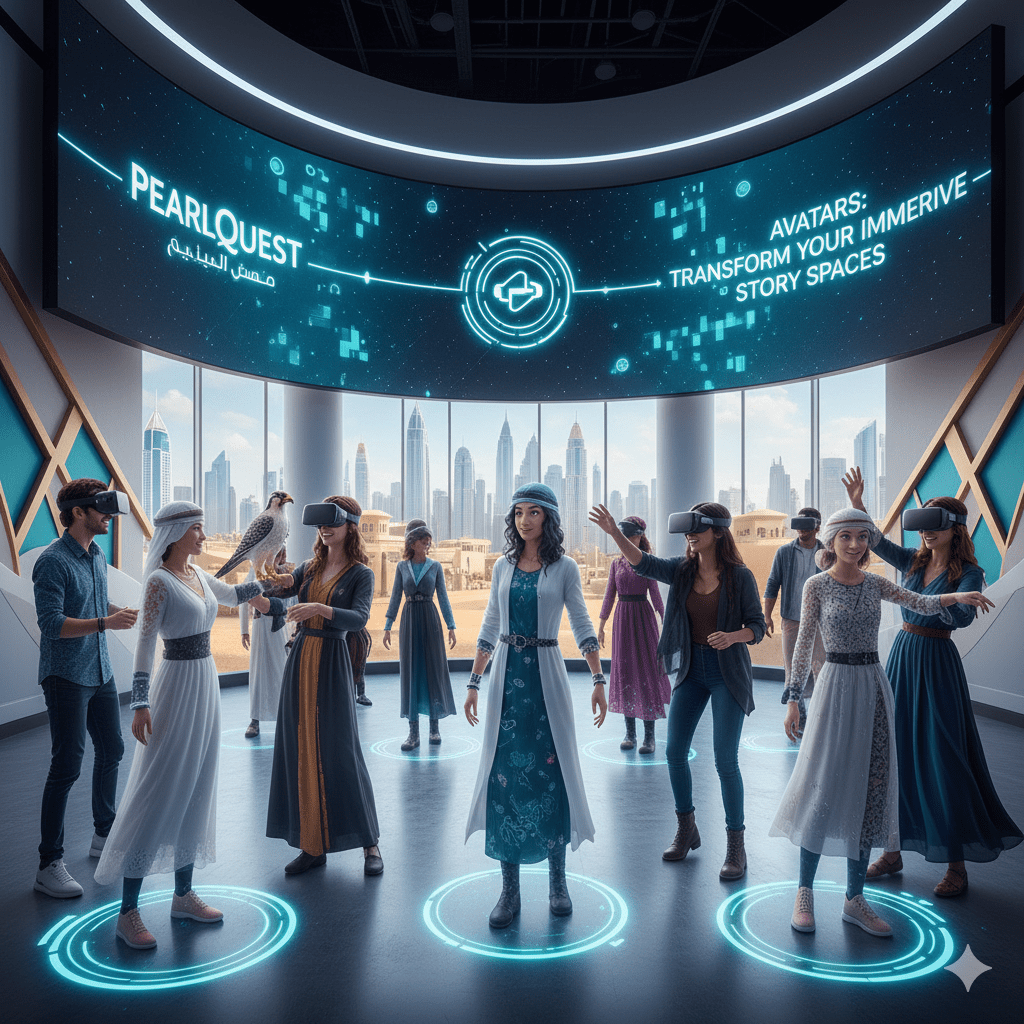
The world of marketing campaigns is evolving at lightning speed, driven by digital platforms that demand both creativity and technical prowess. For marketing agencies, brand managers, and CMOs across the Dubai, Abu Dhabi, Saudi Arabia, Qatar, and Kuwait markets, establishing a flawless digital presence is not just an advantage—it’s a necessity. This is why a robust campaign web & mobile tools strategy is the bedrock of modern marketing success, ensuring your message not only reaches but deeply engages your target audience.
Understanding the Power of a Campaign Web & Mobile Tools Strategy
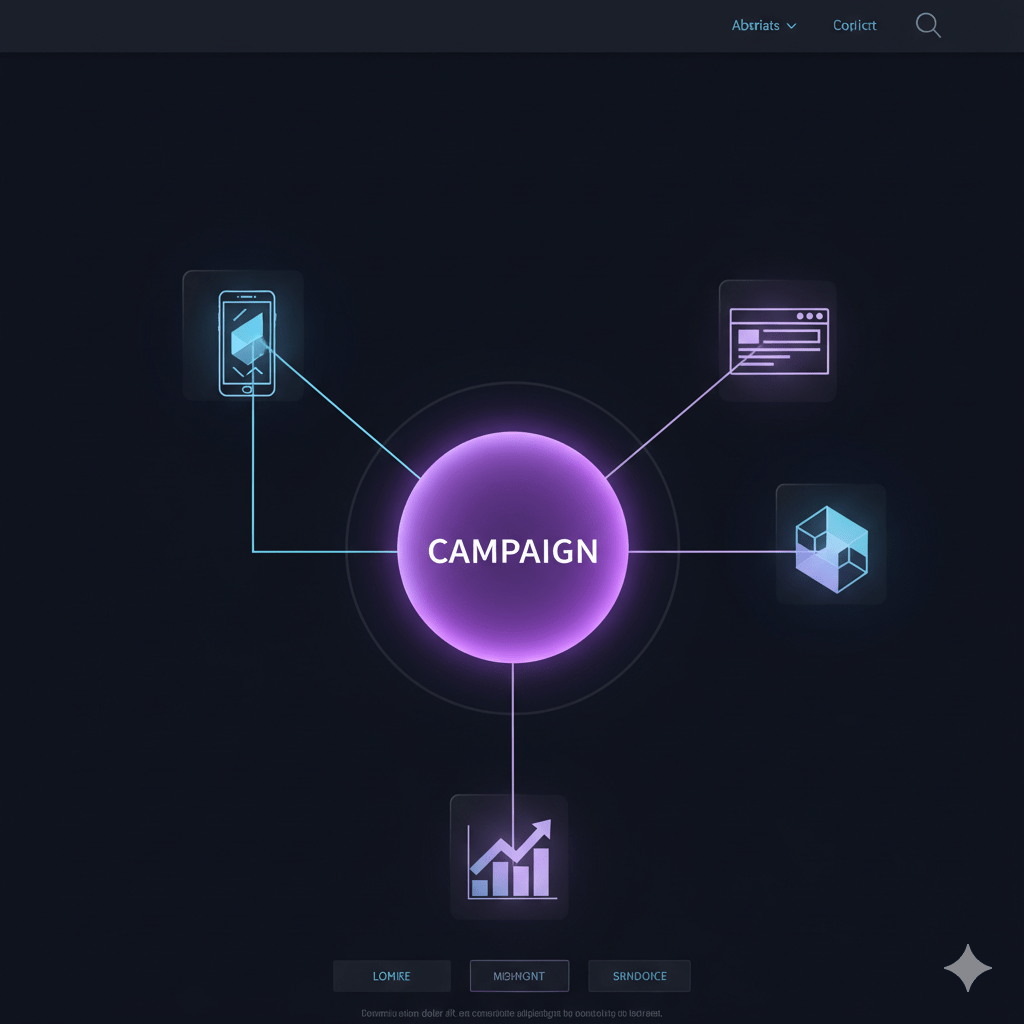
At its core, a campaign web & mobile tools strategy involves selecting, integrating, and optimizing a suite of digital assets—websites, microsites, mobile apps, and interactive tools—to support a specific marketing initiative. This isn’t about throwing up a quick landing page; it’s about building a seamless, high-performance digital ecosystem that drives conversion and captures valuable first-party data.
When planning our projects at PearlQuest, we often start by visualizing the user’s journey. Will they be in a retail store in Dubai scanning a QR code? Will they be on a commute in Abu Dhabi engaging with a branded game? Or perhaps a Brand Manager in Saudi Arabia needs a sleek, data-capturing microsite for a product launch. The chosen web and mobile tools must align perfectly with these scenarios.
Building a High-Conversion Digital Ecosystem
A successful digital strategy relies on selecting the right tools for the job. Here are the key components to consider:
Microsites and Landing Pages
These are the workhorses of any digital campaign. Unlike a full corporate website, a microsite is a focused, single-purpose digital destination dedicated to a campaign, promotion, or event.
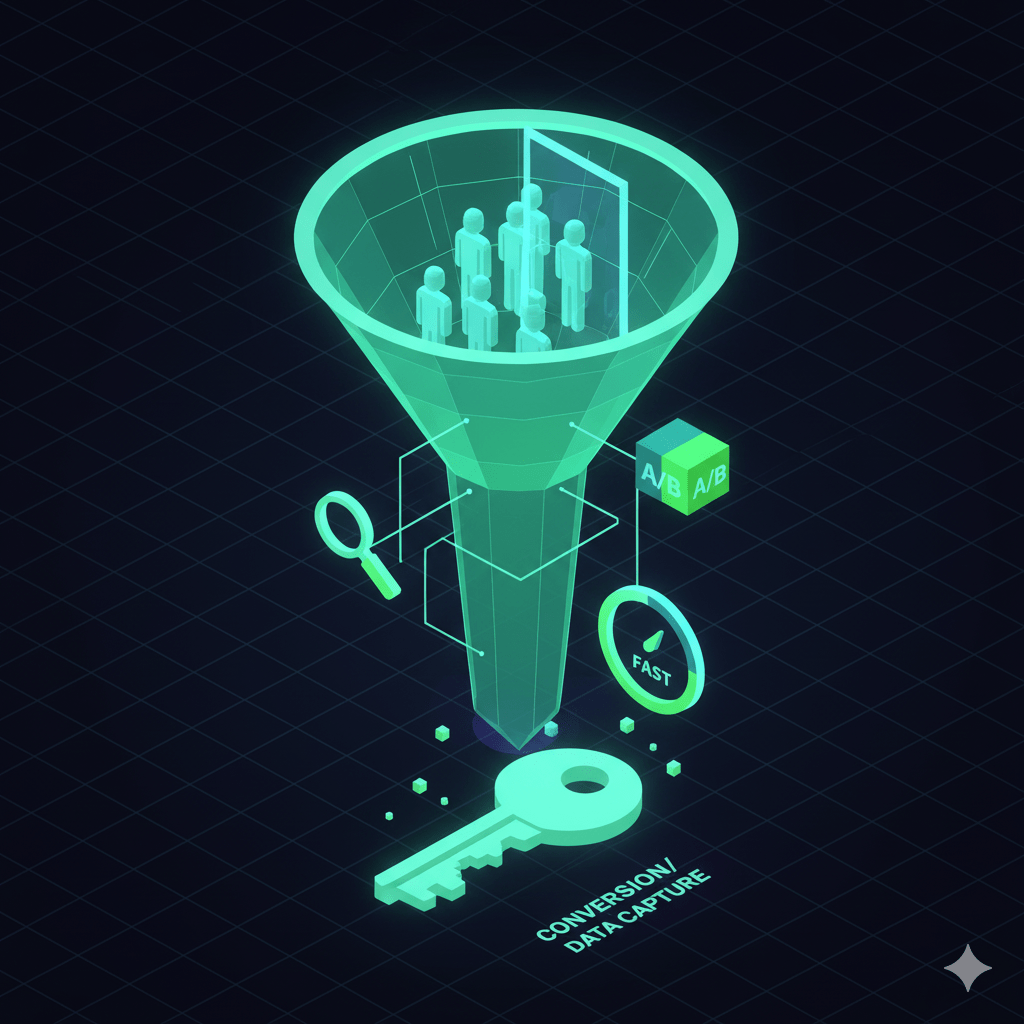
- Focus: Eliminate navigation distractions to drive a single conversion action (e.g., sign-up, download, purchase).
- Speed: They must load instantly, especially for mobile users in markets like Qatar and Kuwait.
- Data Capture: Integrate sophisticated analytics and CRM tools from the outset.
Interactive Mobile Experiences
Mobile engagement is critical. A simple mobile-responsive website is no longer enough; interactive tools are the key to capturing attention.
- Gamification: Simple mobile web games or AR filters drive viral sharing and high dwell time.
- Custom Calculators/Configurators: These provide real utility, making the brand helpful while capturing opt-in data (e.g., a “Which Product is Right for You?” quiz).
I, Tanveer, as a content writer for PearlQuest, get inspired by how a well-executed digital campaign can transform user behavior. We often look to the innovative experiences being launched by major brands in the GCC region to gauge what motivates and engages local audiences.
Integrating Digital Assets: A Seamless Strategy
The biggest challenge in digital campaigns is often integration—making all the parts talk to each other. This is where a truly strategic approach to your campaign web & mobile tools strategy comes into play.
- Internal Linking: Ensure a seamless flow between your campaign assets and your core properties. For instance, linking a campaign landing page to a relevant service on our main PearlQuest site, such as our game development services, helps with SEO and user journey completion.
- CRM and Marketing Automation: The moment a user interacts with your digital tool (e.g., fills out a form on a Saudi Arabia campaign microsite), that data must instantly flow into your CRM for follow-up.
Measurable Success: Analytics and Optimization
The true value of any campaign web & mobile tools strategy lies in its measurability. Using robust analytics platforms allows you to track key performance indicators (KPIs) in real-time.
- A/B Testing: Continuously test variations of your landing pages (copy, imagery, button placement) to incrementally improve conversion rates.
- Regional Performance: Track how your assets perform differently across specific regions like Dubai versus Kuwait. Device type, connection speed, and local digital habits can vary significantly, necessitating optimization specific to each market.
My company, PearlQuest, plans to further invest in proprietary AI-driven testing tools that can autonomously suggest optimal layout and copy variations for campaign microsites, aiming to drastically cut the time marketing teams spend on manual A/B testing. This vision motivates our development teams immensely.
Conclusion: Mastering Your Digital Campaigns
A well-defined campaign web & mobile tools strategy is non-negotiable for anyone serious about winning in the modern marketing landscape. It requires a holistic view, integrating performance, design, and data flow into a single, cohesive plan. By focusing on utility, high-speed delivery, and seamless data integration, you can transform your digital campaigns from simple announcements into powerful, measurable conversion engines across the dynamic markets of the GCC and beyond.