What is VR Safety Training?

VR Safety Training uses immersive virtual environments to simulate hazardous or complex workplace situations so employees can learn how to respond safely and effectively. Instead of relying only on manuals or classroom instruction, trainees experience realistic emergency scenarios such as fire incidents, equipment failure, evacuation procedures, or hazardous material exposure within a controlled digital environment.

At PearlQuest Interactive, we develop custom VR safety simulations tailored to industrial workflows, safety protocols, and regulatory requirements across the UAE, Saudi Arabia and the wider GCC region. Our immersive training environments allow employees to practice decision-making, procedural compliance and emergency response without exposing them to real-world risks.

These simulations are widely used by industries such as oil & gas, utilities, aviation, manufacturing and infrastructure where safety preparedness is critical.

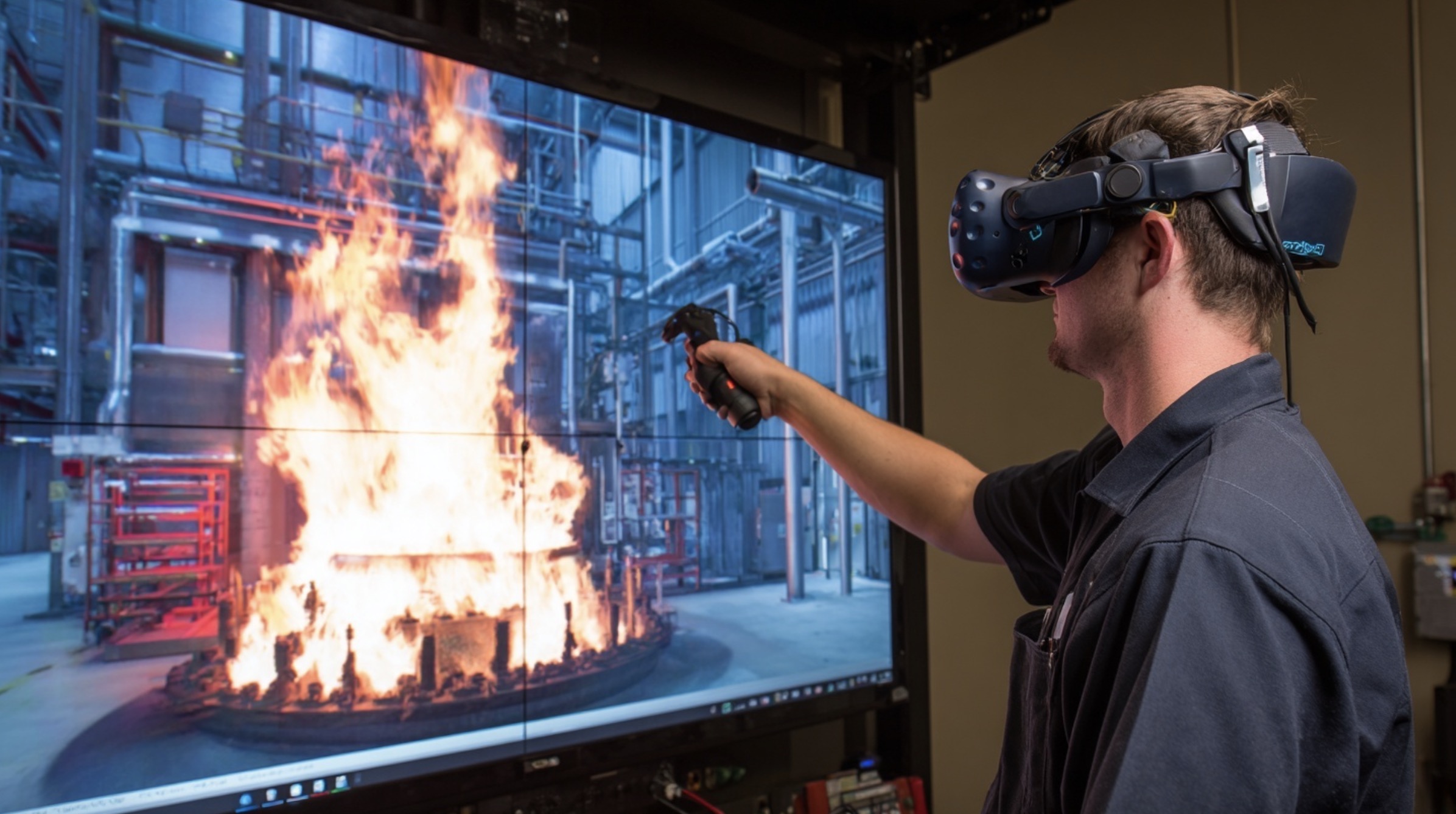
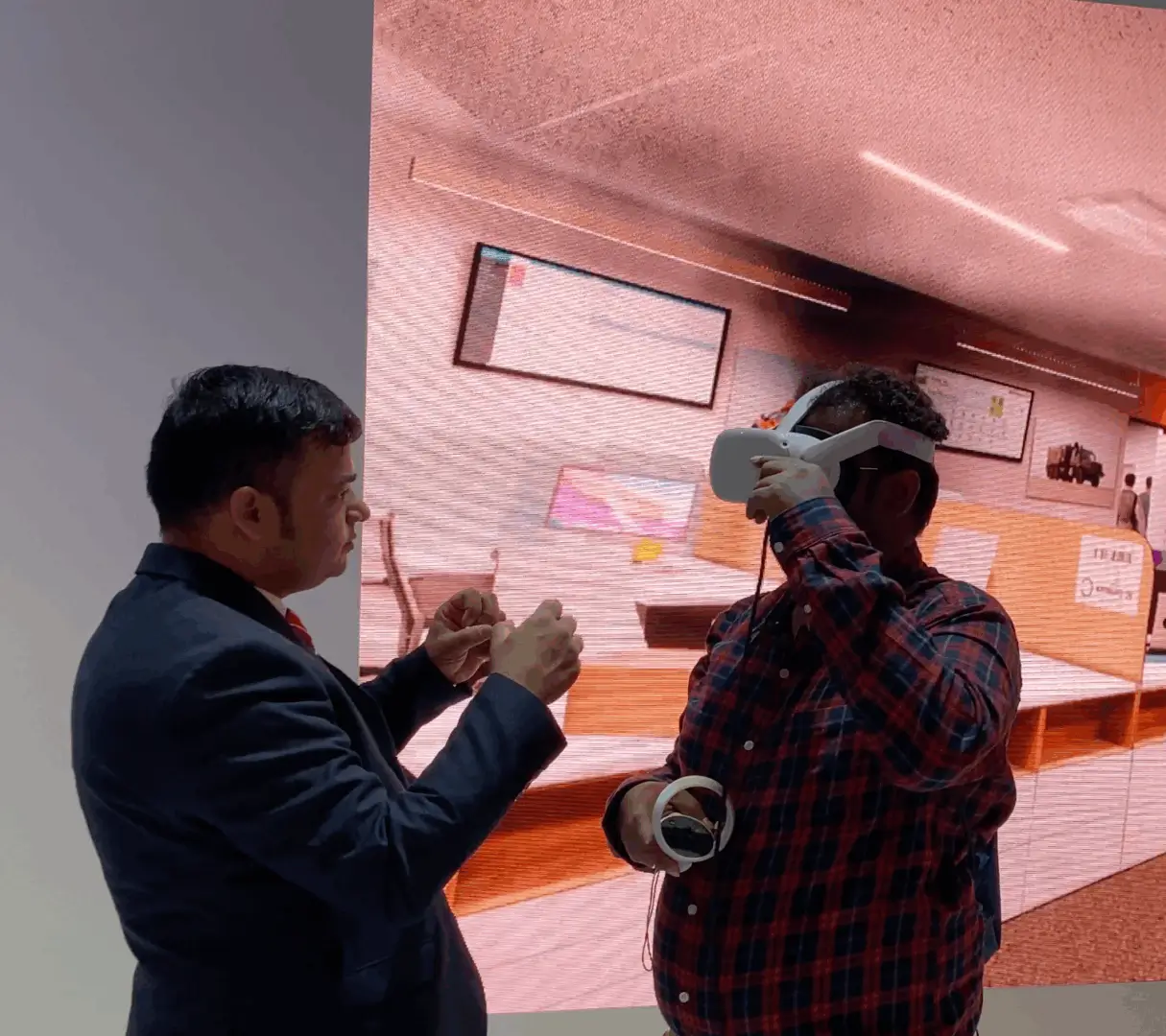
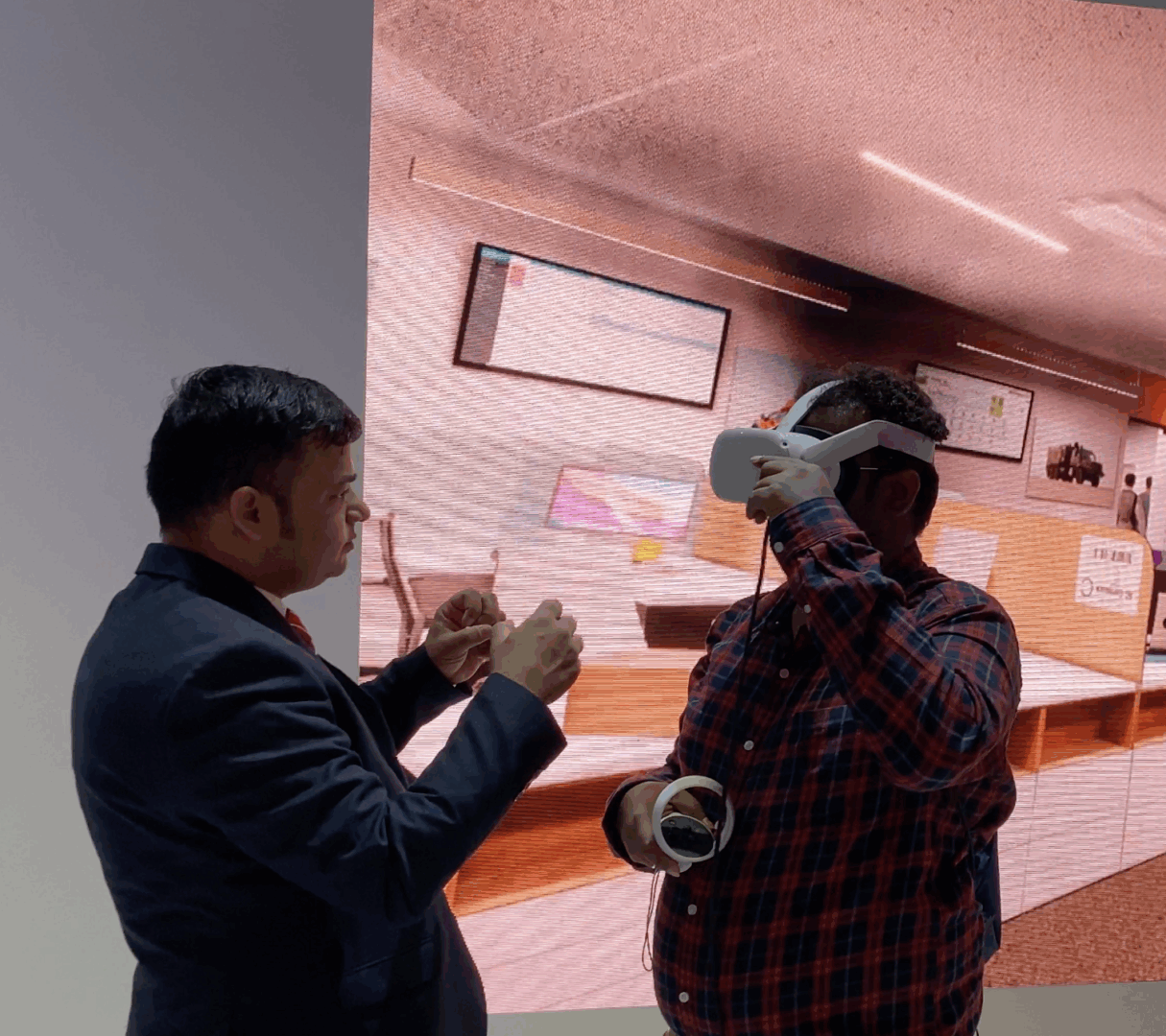
User experiencing NAFFCO's VR smoke management simulation in an office environment.

Why VR Safety Training Works

Safe Replication of Dangerous Scenarios

Simulate fires, chemical leaks, machinery accidents or electrical hazards safely.

Experiential Learning

Employees remember actions better when they perform them instead of reading about them.

Standardized Training

Ensure consistent safety training across teams, locations and new hires.

Measurable Performance

Track reaction time, decision accuracy and task completion.

Common Safety Simulation Modules

  • Fire evacuation training

  • Electrical hazard response

  • Confined space safety training

  • Equipment malfunction scenarios

  • Oil & gas plant emergency response

  • Construction site safety drills

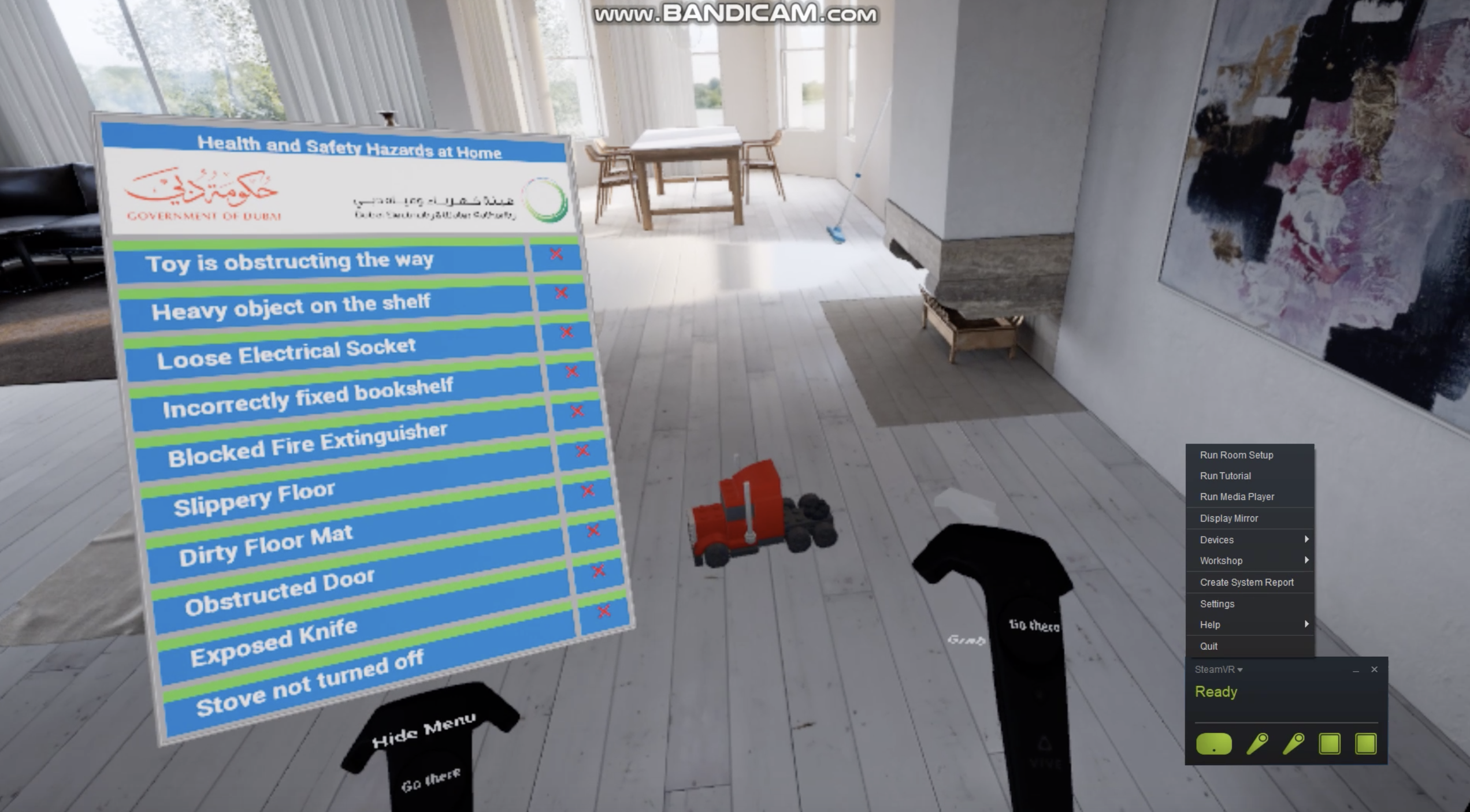
  • Hazard identification training

  • Industrial shutdown procedures

Deployment Options

Our VR safety training solutions can be deployed through:

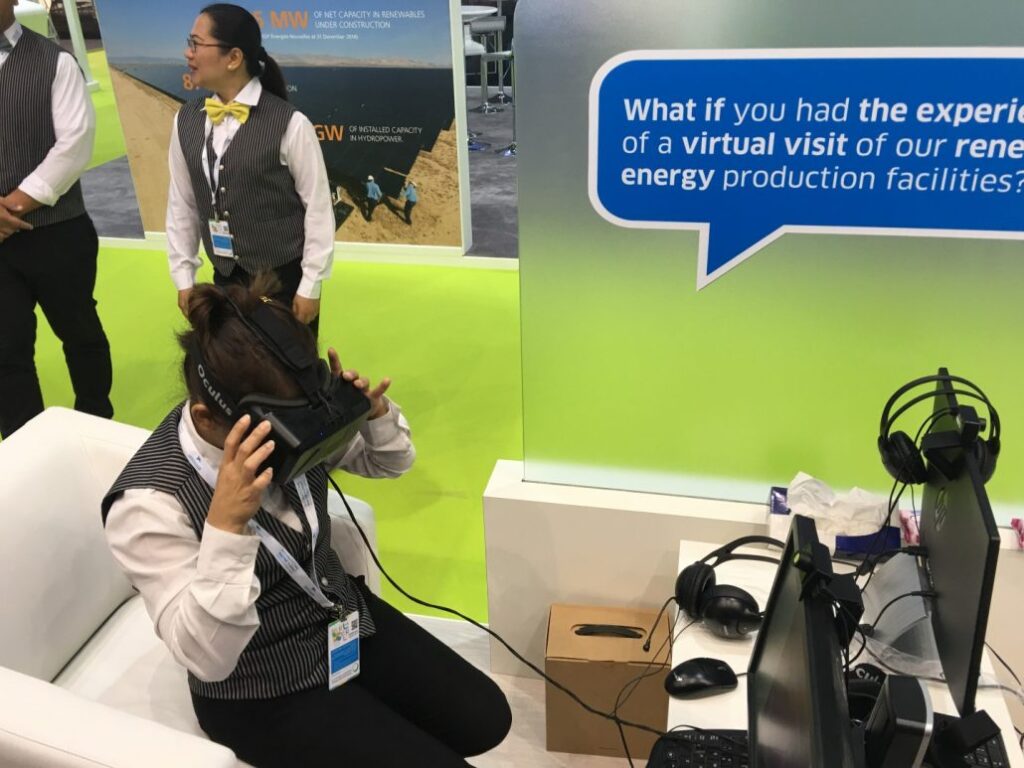
  • Standalone VR headsets (Meta Quest / HTC Vive)

  • Desktop training modules

  • Instructor-led VR classrooms

  • Multi-user collaborative VR sessions

  • Portable training kits for field deployment

Our Safety & Procedure Sims Portfolio

Technology Stack

Our VR training systems combine:

  • Unreal Engine / Unity development

  • Real-time physics simulation

  • Multi-user VR environments

  • Learning analytics dashboards

  • LMS integration capability

  • Voice-guided instructions

  • Scenario branching & decision tracking

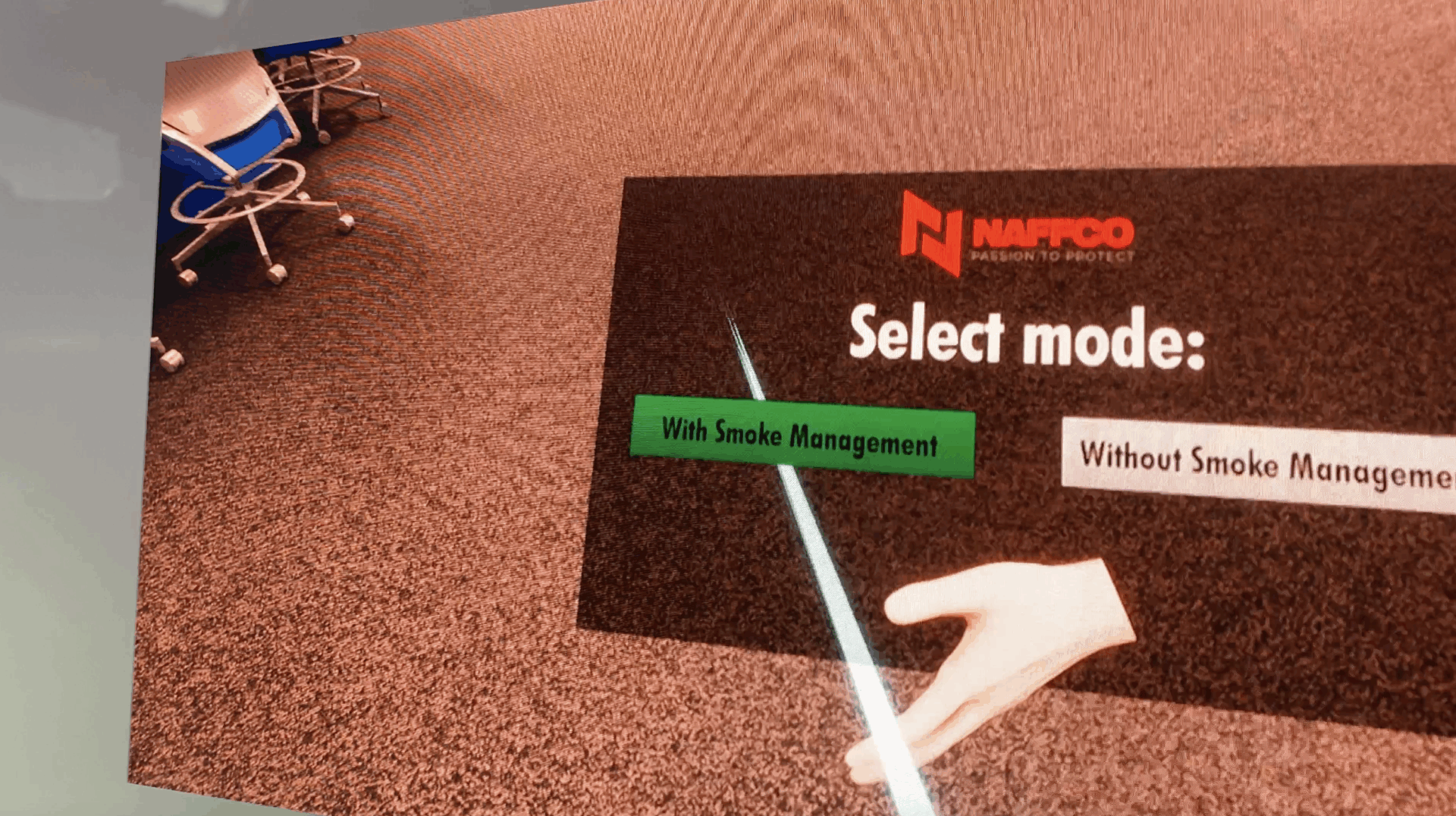
User experiencing NAFFCO's VR smoke management simulation in an office environment.

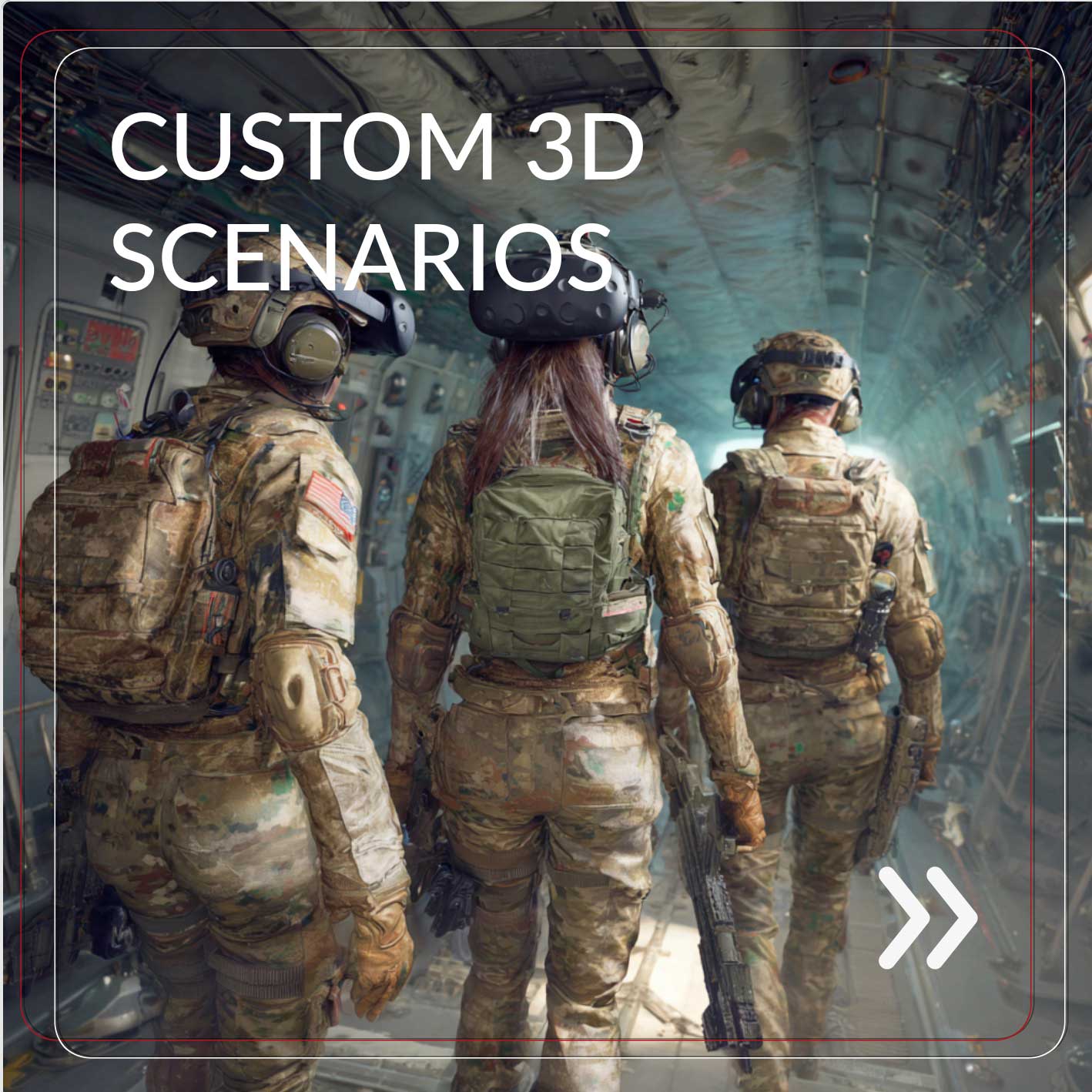
Check our Custom 3D Scenarios Video

Industries We Serve

  • Oil & Gas
  • Utilities & Energy
  • Construction
  • Aviation
  • Manufacturing
  • Government safety departments
  • Industrial training institutes

Why Us?

Why Brands Choose PearlQuest 500+ interactive projects delivered End-to-end design, development & deployment Hardware + software integration under one roof Custom storytelling around your product architecture Multiplayer scalability Fast on-ground support in UAE
  • 400+ immersive technology deployments
  • Experience in industrial training simulations
  • Custom-built scenarios based on your SOPs
  • On-site deployment support across UAE and GCC
  • Hardware + software integration expertise

FAQs

What equipment is required for VR safety training?

Most modules run on standalone VR headsets such as Meta Quest or HTC Vive, eliminating the need for complex PC setups.

How long does development take?

Typical development ranges from 4–8 weeks depending on the number of scenarios and level of realism required.

Can it integrate with corporate LMS platforms?

Yes. Training results and completion metrics can be exported or integrated with LMS systems.

Is VR safety training suitable for oil & gas companies?

Yes. VR training is widely used in oil & gas to simulate hazardous conditions safely.

Can multiple trainees participate simultaneously?

Yes. Multi-user sessions can allow instructors to supervise training environments in real time.

Want to train your team with 85% more effective results? Get in touch today!

Related Sub-Categories