
Public-information kiosks and touchscreens
Present services, programmes, maps, schedules or technical subjects through a structured interactive interface.
Government & Public Entities / UAE & GCC
Make complex public information easier to explore and act on.
Public engagement with a clear purpose
PearlQuest designs and delivers interactive public-facing experiences across the UAE and GCC. We combine approved content, custom software, displays, kiosks, projection, LED and sensor-based interaction to support explanation, participation, registration, voting and service discovery.
People may arrive with different languages, levels of subject knowledge and access needs. The experience must make the next step clear while protecting content accuracy, privacy and operational reliability.
PearlQuest can shape one public touchpoint or a connected journey. The final format depends on the programme objective, audience flow, content governance, approvals, data responsibilities, site conditions and definition of success.
Choose the right interaction
Start with the audience action. Content, hardware, integrations and operating support follow the agreed scope.
Present services, programmes, maps, schedules or technical subjects through a structured interactive interface.
Translate a public-information theme into a clear quiz, search, puzzle or challenge when learning through action supports the objective.
Support event check-in, language selection, controlled voting and live dashboards when data and privacy responsibilities are approved.
Use multi-touch, projection, LED and sensors for multi-user public experiences in high-visibility environments.
Help visitors find destinations, zones or services through maps, search and CMS-controlled information, depending on the brief.
Use spatial visuals, XR and responsive content to make infrastructure, safety, science or national stories easier to explore.
Selected PearlQuest work
Explore published projects and the practical delivery details behind each experience.
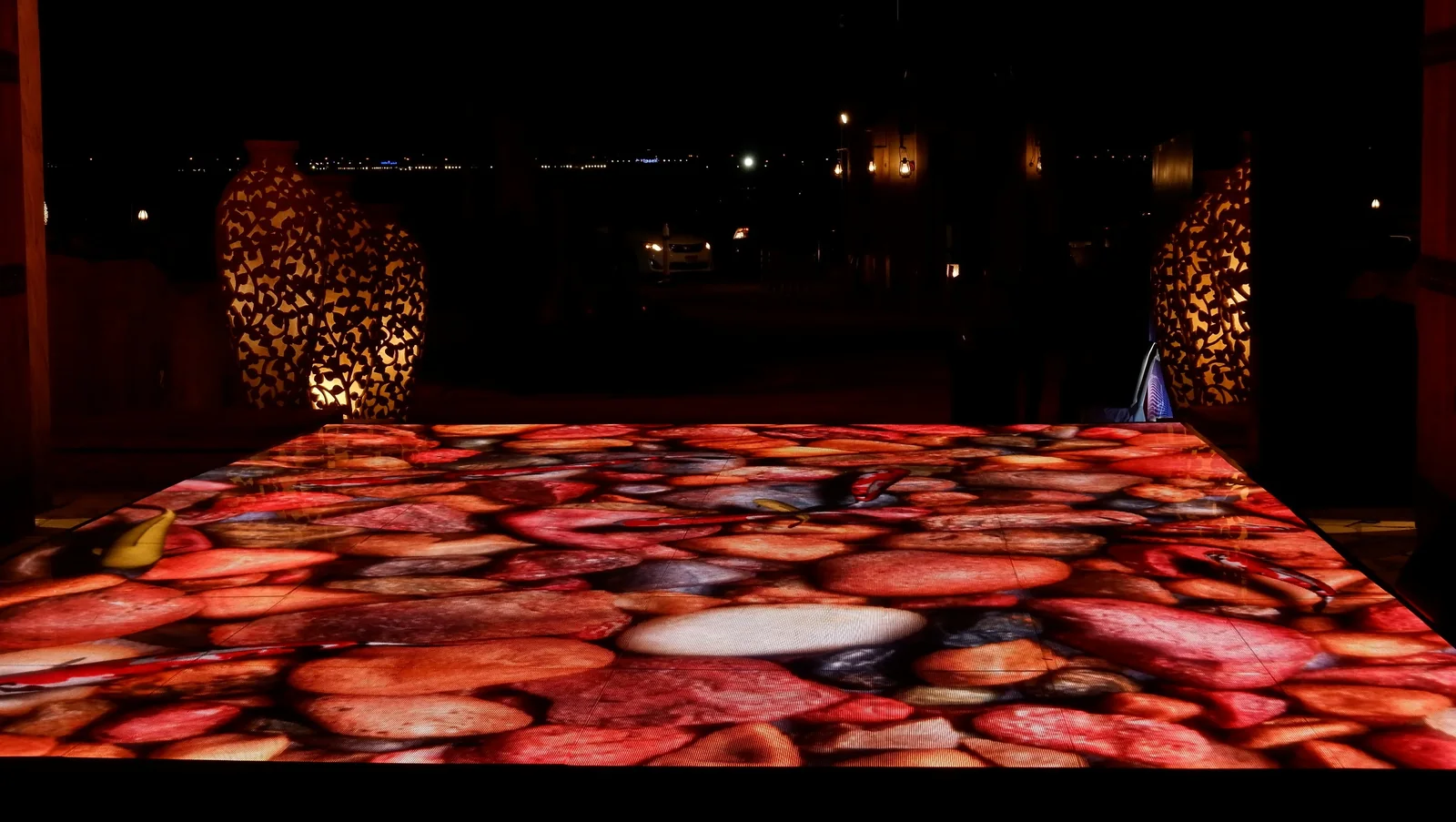
For a GCAA Dubai event space, PearlQuest delivered an 8 x 4 metre LED floor using high-resolution LED tiles and depth sensors. A water visual responded to visitors' steps, providing observable evidence of large-scale sensor-led participation.
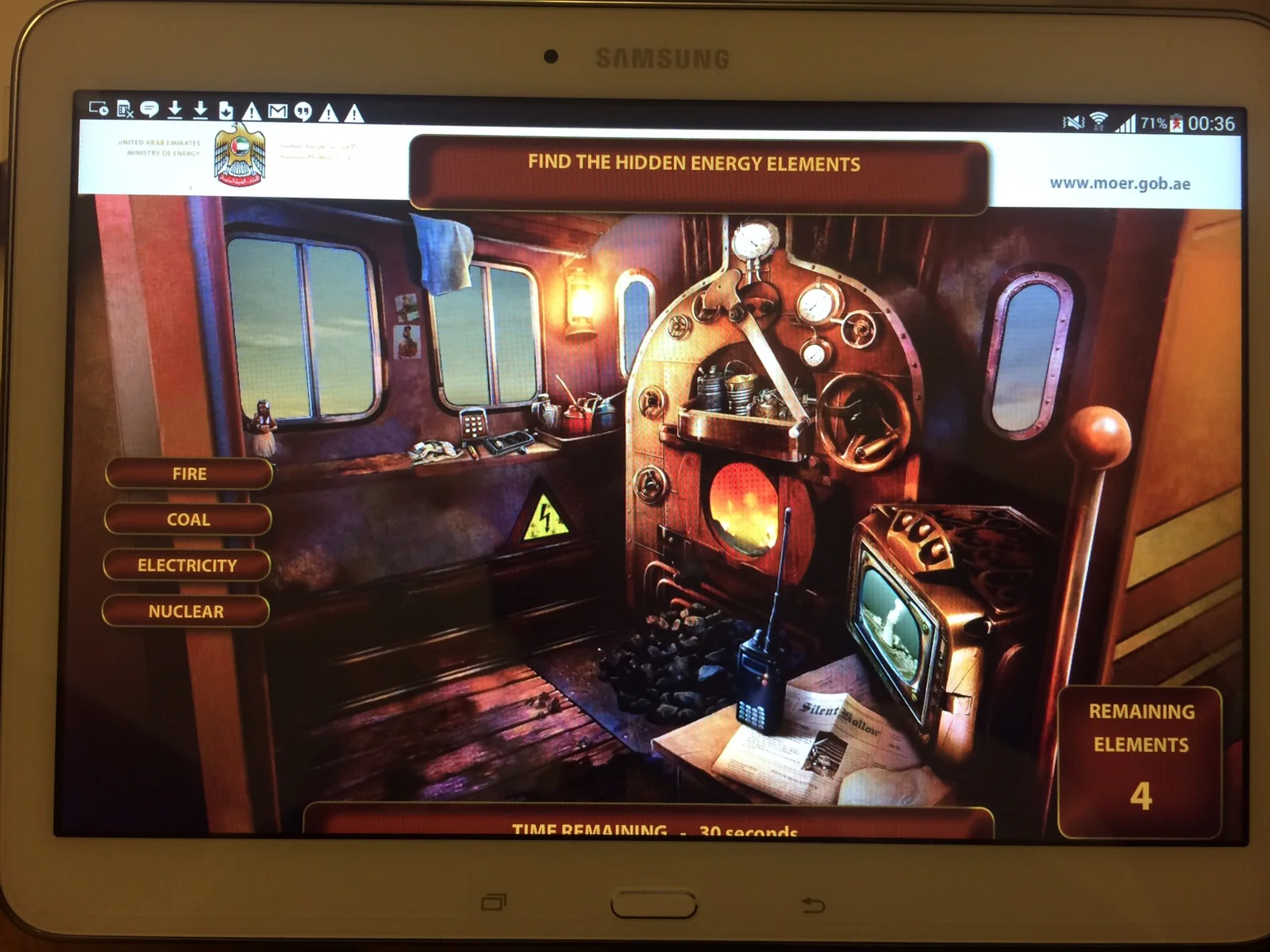
View the published projectPearlQuest created a detailed 3D scene containing hidden energy-related objects. Users raced against a timer to tap and identify the elements, translating a technical public-awareness subject into a game mechanic.
View the published project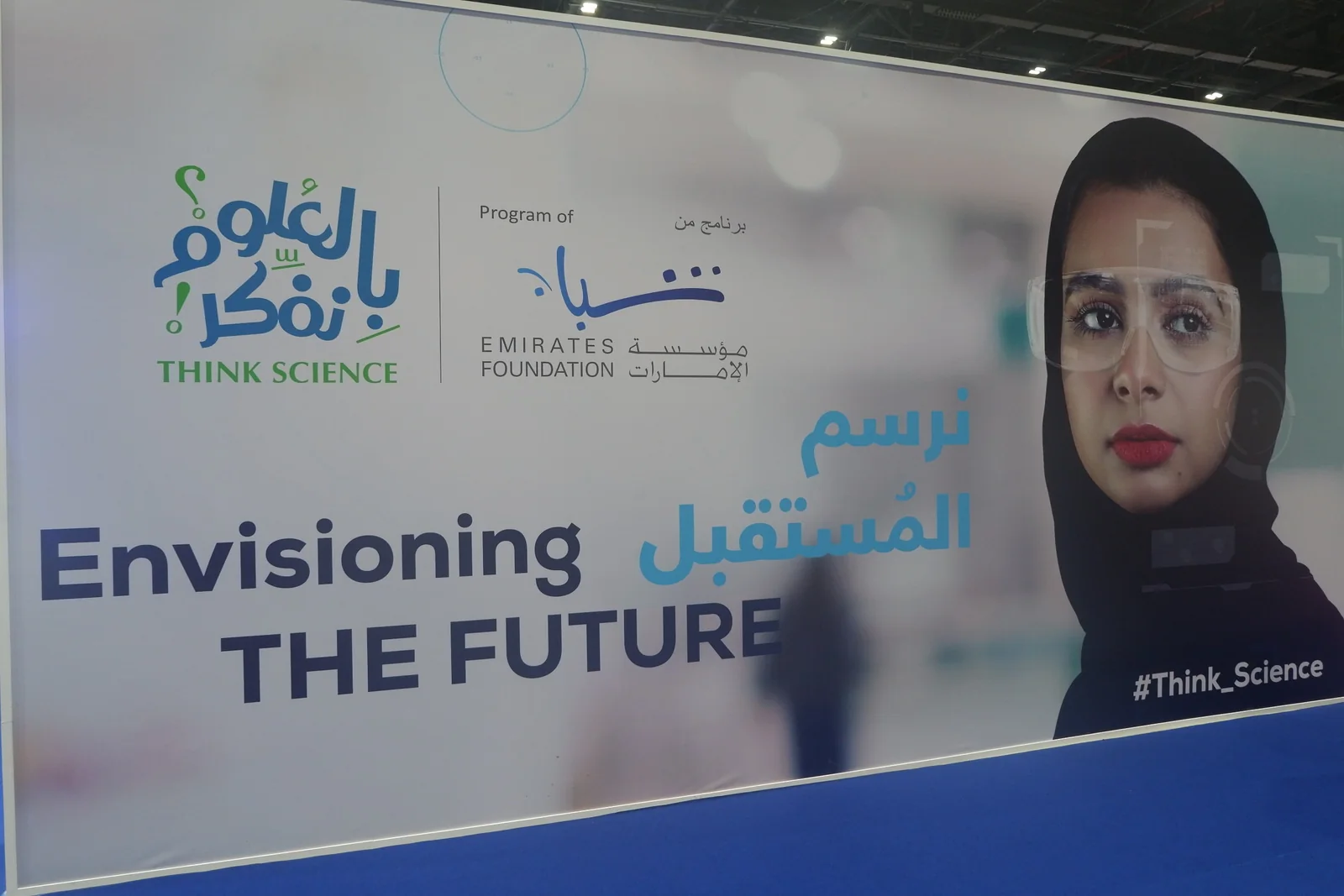
PearlQuest designed a bilingual check-in and polling system for Think Science Fair 2018. Touchscreen tablet kiosks supported registration, language selection, category exploration and voting, with real-time synchronisation to live dashboards.
View the published projectHow we work
One connected plan for content, technology and the operating environment.
Clarify the business objective, audience, content, constraints, stakeholders and success measures.
Map the audience journey, interaction, interface, information structure and content behaviour.
Define the approved software, displays, sensors, XR devices, data, integrations and deployment requirements.
Develop the experience and integrate the approved content, software, hardware and control logic.
Run usability and technical QA for content, interaction accuracy, reliability, privacy and relevant offline scenarios.
Support installation, calibration, handover and operating requirements according to the agreed project scope.
Before the brief
Practical considerations for government & public entities.
The approach can support service discovery, public information, awareness campaigns, science and education programmes, exhibitions, events, visitor centres and public buildings. The right format depends on the audience task.
Yes, where bilingual content, layout behaviour, terminology review and QA are included in scope. Think Science provides project-level evidence of bilingual registration and voting.
Accessibility requirements should be defined during discovery and tested against the chosen screen, interaction, content and physical installation. It is a scoped requirement, not an automatic claim.
Potentially. Access, security, data quality, API availability, ownership and support responsibilities must be assessed before integration is promised.
Define the minimum data required, consent notice, user access, retention, hosting, security, moderation and deletion responsibilities before development. Data capture is not assumed.
Yes. Materials, enclosures, hardware, connectivity, operating support and handover should match the site conditions, procurement model and operating period.
Agree observable behaviours such as completed searches, votes, registrations, content choices or interactions. Measurement, reporting and any baseline comparison must be specified and approved.
Share the public objective, audience, languages, content owner, location, timeline, procurement route, accessibility needs, data constraints, existing systems and the behaviour you want to support.
Start a conversation
Tell PearlQuest what people need to understand or do, who owns the information and where the experience will operate. We will help shape a practical interaction and delivery scope.
Plan your public-engagement experience