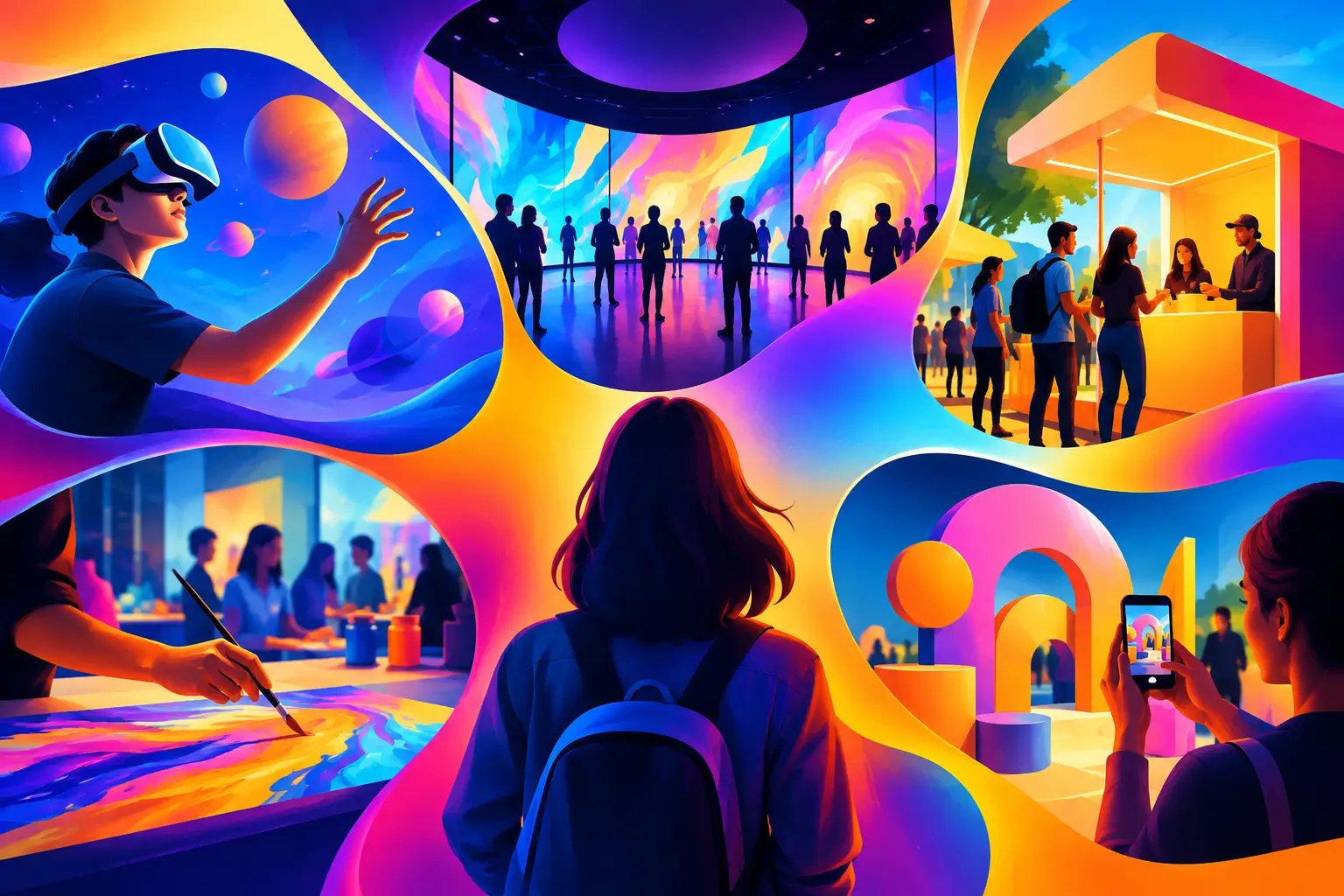
 7 VR Hacks for High-ROI Immersive Story Spaces
Modern experiential marketing across Dubai, Abu Dhabi, Saudi Arabia, Qatar, and Kuwait is undergoing a massive shift as brand managers and agency leaders demand quantifiable engagement. Building digital environments that captivate audiences requires actionable strategies, which is why tactical VR Hacks for high-ROI immersive story spaces are essential for forward-thinking campaigns. At PearlQuest, our team loves how interactive narrative environments turn casual event visitors into loyal brand advocates. As a content writer collaborating closely with spatial technology strategists, I, Tanveer, continuously explore how immersive setups deliver measurable return on investment for high-stakes activations across the GCC region.
 Why GCC Brands Need VR Hacks for High-ROI Immersive Story Spaces
Marketing directors and chief marketing officers in cities like Dubai and Riyadh face a dual challenge: standing out in saturated luxury markets while justifying marketing spend with hard performance metrics. Virtual reality is no longer a gimmick reserved for niche trade shows. According to economic research by PwC Middle East, immersive technology initiatives could contribute billions to GCC economies by 2030.
Implementing VR Hacks for High-ROI Immersive Story Spaces allows innovation managers and event agencies to maximize asset reusability, cut logistics overhead, and capture deep consumer behavior data. At PearlQuest, we get inspired by how brands in Saudi Arabia and Qatar leverage spatial storytelling to build emotional connections with consumers. To ensure your immersive activations deliver high financial and experiential returns, here are seven strategic hacks designed for agency owners, brand managers, and marketing leaders.
 7 Strategic VR Hacks for High-ROI Immersive Story Spaces
1. Modular Spatial Architecture for Multi-City Deployment
One of the fastest ways to destroy ROI in experiential marketing is building single-use digital environments. When designing immersive story spaces for a launch in Dubai, structure the virtual 3D environment using modular architecture. By creating digital asset blocks that can be rearranged for pop-ups in Abu Dhabi, Kuwait, or Doha, you drastically lower production costs per event. PearlQuest plans to champion reusable spatial templates that let enterprise brands scale their storytelling effortlessly across the Middle East.
2. Hybrid Reality Touchpoints: Blending Physical Props with Virtual Content
Pure virtual reality can sometimes detach users from the surrounding physical booth. To maximize engagement, bridge the gap by pairing haptic physical props with virtual objects. When an attendee touches a physical steering wheel in an Abu Dhabi showroom while wearing a VR headset, sensory immersion doubles. This hybrid approach elevates dwell time and brand recall without requiring ultra-expensive custom hardware rigs.
3. Lightweight WebVR Gateways for Instant Access
App store downloads create friction that kills user conversion rates. Implementing WebVR—virtual reality accessible directly through web browsers via QR codes—ensures friction-free access. Whether activating a campaign at a shopping hub in Kuwait City or an exhibition hall in Qatar, attendees can instantly step into your 3D narrative space on their own mobile devices or lightweight headsets.
4. Data-Driven Spatial Analytics to Measure Dwell Time
Traditional event metrics rely on subjective footfall estimates. High-ROI immersive spaces use heatmaps and gaze-tracking analytics to measure exactly where users look, how long they interact with specific products, and where they drop off. PearlQuest gets motivated by data-driven creative insights, enabling marketing teams in Saudi Arabia and Dubai to optimize story arcs based on real user behavior.
5. Multi-User Shared Arenas for Collaborative Engagement
Solo VR experiences limit audience throughput and lower event ROI. Transform your activation by opting for multi-user avatars where friends, colleagues, or sales representatives can explore the virtual space together. Shared virtual spaces boost social sharing, increase group engagement times, and allow account managers to guide clients through virtual walkthroughs simultaneously.
6. Dynamic Content Localization for Regional GCC Audiences
A single virtual campaign deployed across Saudi Arabia, Qatar, Dubai, and Kuwait must feel locally relevant. Use dynamic asset loading to swap out language options (Arabic/English), localized cultural motifs, or regional product catalogs on the fly. This tactical hack allows brand directors to maintain global campaign coherence while delivering tailor-made cultural touchpoints.
7. Gamified Brand Narratives with Real-Time Physical Rewards
Passive viewing yields low memory retention. Convert your VR story space into an interactive quest where completing challenges unlocks real-world incentives, such as VIP event access, instant digital vouchers, or customized merchandise. Gamification elevates brand loyalty and turns interactive virtual worlds into active conversion engines.
 Driving Immersive Excellence with PearlQuest Across Dubai, Abu Dhabi, and Beyond
As digital transformation accelerates across Saudi Arabia, Qatar, Kuwait, and the UAE, implementing high-ROI immersive story spaces is no longer optional—it is a competitive necessity. PearlQuest wishes to help agency partners, event directors, and CMOs craft spatial storytelling platforms that deliver measurable ROI, captivating visuals, and unforgettable brand moments.
By applying these VR Hacks for High-ROI Immersive Story Spaces, your organization can transform standard marketing touchpoints into high-performing virtual environments that engage GCC audiences on a deeper level.